The “Old Engineer” Intro
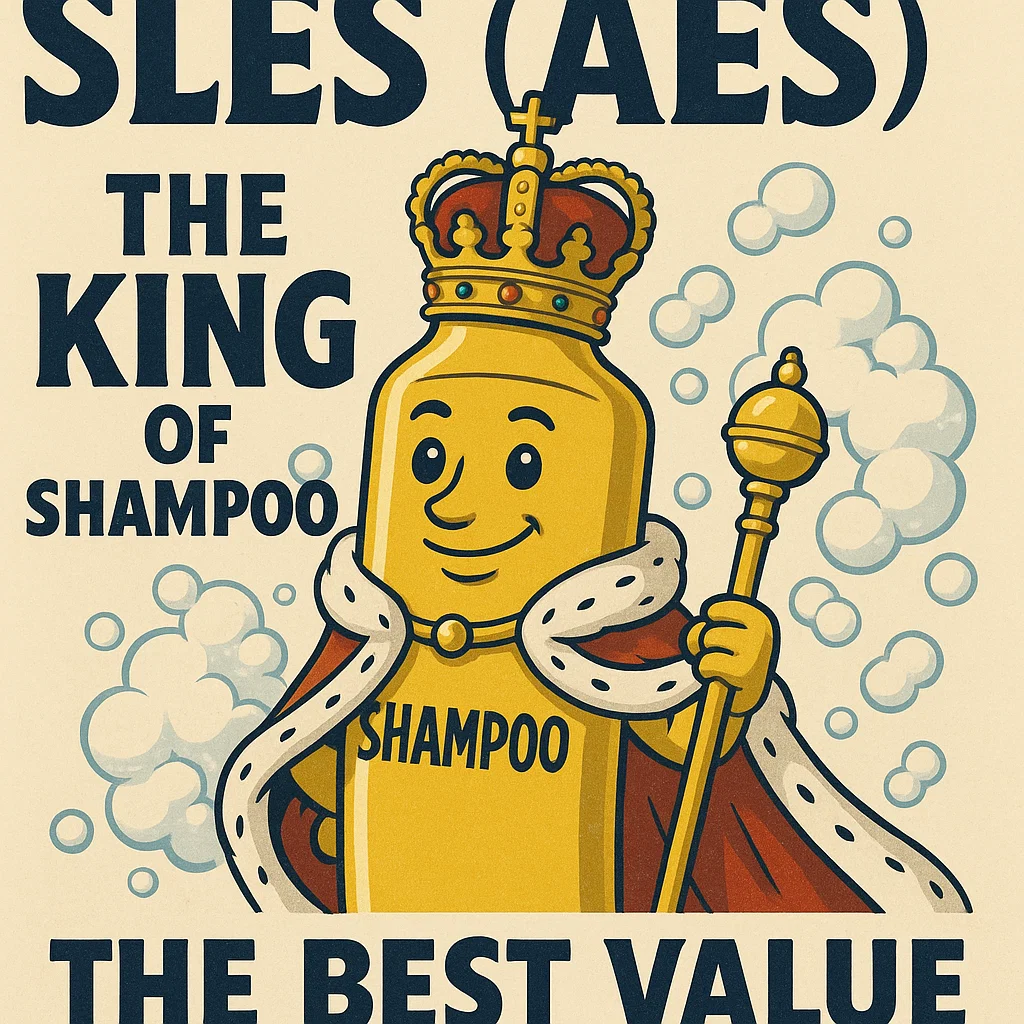
If SLS is a wild tiger, SLES is a house cat. It is basically SLS, but we put a “coat” on it (a chemical process called ethoxylation). This makes it milder and easier to use. In the market, we usually call it AES.
-
Why Everyone Loves It
Go to a supermarket. Pick up any shampoo, body wash, or dish soap. Look at the label. I bet you 90% of them list “Sodium Laureth Sulfate.”
- Why? Because it is cheap, it foams well, and it doesn’t irritate the skin as much as K12. It is the “Standard” of our industry.
-
The Magic of Salt
Here is the best trick for factory owners.
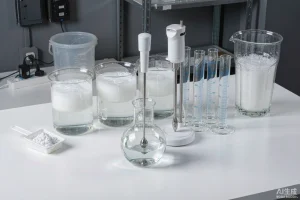
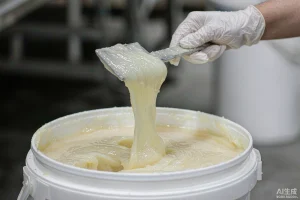
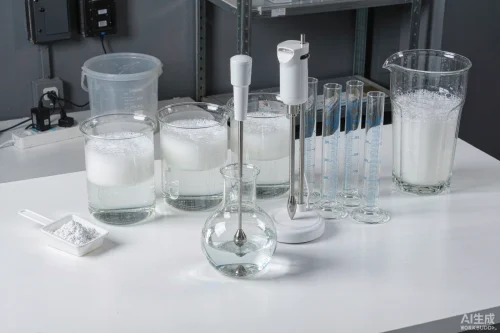
SLES is watery. But if you add common table salt (Sodium Chloride), it becomes thick like honey.
- The benefit: You don’t need expensive thickeners. Just salt. This saves you a lot of money in production.
- Warning: Don’t add too much salt! If you cross the line, it turns back into water immediately. We call this “crashing the viscosity.”
-
Watch Out in Winter
SLES usually comes as a 70% paste. It looks like thick jelly.
- The problem: In winter, if your warehouse is cold, this stuff freezes hard. It is very difficult to pump out of the barrel.
- The fix: You need a heated room or a drum heater. Don’t try to scoop it out when it’s frozen; you will break your shovel.
The Takeaway: SLES is the backbone of the personal care industry. It’s mild, thickens easily, and is cost-effective.