
- Home
- Products
- SLS CAS 151-21-3
- SDS CAS 151-21-3
- AOS CAS 68439-57-6
- LDS CAS 2044-56-6
- SVS CAS 3039-83-6
- SOS CAS 142-31-4
- SLES CAS 68585-34-2
- Sodium 2-ethylhexyl sulfate CAS126-92-1
- Sodium octyl decyl alcohol sulphate CAS85338-42-7
- Potassium dodecyl sulphate CAS4706-78-9
- Sodium decyl sulfate CAS142-87-0
- Magnesium Dodecyl Sulfate CAS3097-08-3
- Gypsum board foaming agent
- Guanidine hydrochloride CAS 50-01-1
- Tricine CAS 5704-04-1
- TES CAS 7365-44-8
- TAPS CAS 29915-38-6
- CAPS CAS 1135-40-6
- BICINE CAS 150-25-4
- BES, Free Acid CAS 10191-18-1
- ADA CAS 26239-55-4
- 2-Morpholinoethanesulfonic acid monohydrate CAS145224-94-8
- HEPES CAS 7365-45-9
- MOPS sodium salt CAS 71119-22-7
- MOPS CAS 1132-61-2
- BIS-TRIS propane CAS 64431-96-5
- ACES CAS 7365-82-4
- Tris(hydroxymethyl)aminomethane CAS77-86-1
- About
- Contact
- Home
- Products
- SLS CAS 151-21-3
- SDS CAS 151-21-3
- AOS CAS 68439-57-6
- LDS CAS 2044-56-6
- SVS CAS 3039-83-6
- SOS CAS 142-31-4
- SLES CAS 68585-34-2
- Sodium 2-ethylhexyl sulfate CAS126-92-1
- Sodium octyl decyl alcohol sulphate CAS85338-42-7
- Potassium dodecyl sulphate CAS4706-78-9
- Sodium decyl sulfate CAS142-87-0
- Magnesium Dodecyl Sulfate CAS3097-08-3
- Gypsum board foaming agent
- Guanidine hydrochloride CAS 50-01-1
- Tricine CAS 5704-04-1
- TES CAS 7365-44-8
- TAPS CAS 29915-38-6
- CAPS CAS 1135-40-6
- BICINE CAS 150-25-4
- BES, Free Acid CAS 10191-18-1
- ADA CAS 26239-55-4
- 2-Morpholinoethanesulfonic acid monohydrate CAS145224-94-8
- HEPES CAS 7365-45-9
- MOPS sodium salt CAS 71119-22-7
- MOPS CAS 1132-61-2
- BIS-TRIS propane CAS 64431-96-5
- ACES CAS 7365-82-4
- Tris(hydroxymethyl)aminomethane CAS77-86-1
- About
- Contact
SLES CAS 68585-34-2
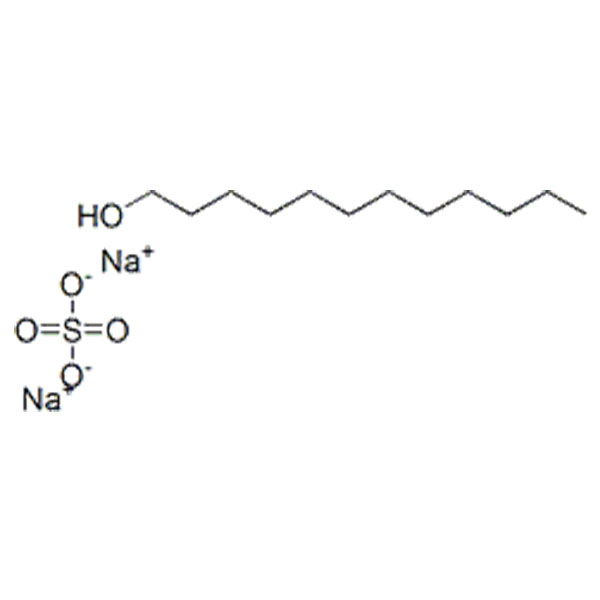
CAS 68585-34-2;SODIUM LAURYL ETHER SULFATE;SLES;;Lauryl ether sulfate, sodium salt;Poly(oxy-1,2-ethanediyl), .alpha.-sulfo-.omega.-hydroxy-, C10-16-alkyl ethers, sodium salts;(C10-C16)Alkyl ethoxylate sulfuric acid, sodium salt;SODIUMC12-6EO2.7ALKYLETHOXYSULFATE;FATTYALCOHOL(C12-C14)ETHERSULPHATE;Lauryl alcohol, ethoxylated & sulfated, sodium salt;Sodium alkyl-(C10-C16)-ether sulfate;sodium (C10-16)alkyl ether sulfate
Related Products
Add Your Heading Text Here
- Excellent Foaming: SLES can generate abundant foam, maintaining good foaming performance even in hard water conditions, making it a preferred ingredient in many cleaning and care products.
- Effective Cleaning: SLES has a strong degreasing ability, effectively removing grease and stains from the skin, hair, or surfaces.
- Hydrophilic and Lipophilic: As a surfactant, SLES combines with water (hydrophilic) and oil (lipophilic), aiding the mixing of water and oil so that grease can be washed away more easily.
- Mildness: Compared to other detergents, SLES is less irritating to the skin, making it suitable for mild personal care products.
- Environmentally Friendly: SLES is relatively easy to biodegrade in the natural environment, posing minimal impact on the environment.
The "Gentle Giant" Everyone Uses
What Is SLES?
SLES stands for Sodium Lauryl Ether Sulfate.
In China, most people call it “AES.”
It’s the upgraded version of SLS.
Think of it as SLS wearing a soft coat.
How Is It Different from SLS?
Here’s the simple version.
Scientists added something called “ethylene oxide” to SLS.
This creates a longer molecule chain.
What does that mean for you?
The product becomes milder. Less irritating to skin.
It also dissolves better in water.
And it makes even more foam.
Why Is SLES So Popular?
Walk into any supermarket.
Pick up a shampoo. Or a shower gel. Or dishwashing liquid.
Check the ingredients.
SLES is probably in the top three.
Reason 1: Good balance.
It cleans well, but doesn’t hurt skin too much.
Reason 2: Affordable.
Not the cheapest. Not expensive. Just right.
Reason 3: Easy to work with.
It thickens easily with salt.
It mixes well with other ingredients.
Formulators love it because it’s not fussy.
Understanding the “EO” Number
When you buy SLES, you’ll see “2EO” or “3EO.”
What does this mean?
EO = Ethylene Oxide. It’s the “soft coat” we mentioned.
2EO:
Shorter coat. Slightly stronger cleaning.
A little less gentle. Cheaper.
Good for dishwashing liquid and household cleaners.
3EO:
Longer coat. More gentle on skin.
Better foam quality. Slightly more expensive.
Preferred for shampoo and body wash.
Quick rule:
For dishes and floors, use 2EO.
For hair and skin, use 3EO.
The Elephant in the Room: 1,4-Dioxane
Let’s talk about the scary word.
During SLES production, a tiny amount of 1,4-Dioxane can form.
This is a byproduct. Not added on purpose.
Is it dangerous?
In high amounts, yes. It’s a potential carcinogen.
Should you panic?
No. Good manufacturers control it to very low levels.
International standards require less than 10 ppm (parts per million).
The best suppliers achieve less than 5 ppm.
What should you do?
Ask your supplier for a Certificate of Analysis (COA).
Check the 1,4-Dioxane number.
If they can’t provide it, find another supplier.
Common Problems and Solutions
Problem: My SLES turned into jelly in winter.
SLES thickens or freezes in cold weather.
This is normal. It doesn’t mean the product is bad.
Solution: Warm it up gently. It will become liquid again.
Or ask for a version with lower freezing point.
Problem: I added salt but it won’t thicken.
Too little salt? Add more slowly.
Too much salt? You’ve passed the peak. It actually gets thinner.
Salt thickening follows a curve. Find the sweet spot.
Problem: The color is yellowish.
Possible causes: High iron content. Poor bleaching. Old stock.
Light yellow is usually okay for colored products.
For clear products, demand water-white grade.
Buying Tips
Concentration matters.
SLES usually comes in 70% or 28% active matter.
70% is like concentrated juice. You add water later.
28% is already diluted. Easier to handle but more shipping cost.
Calculate which is better for your situation.
Check the pH.
Fresh SLES should be around pH 7-8.
If pH drops below 6, it may have started to break down.
This happens with old stock or bad storage.
Packaging choices.
- 170kg drums: Easy to handle. Higher cost per kilo.
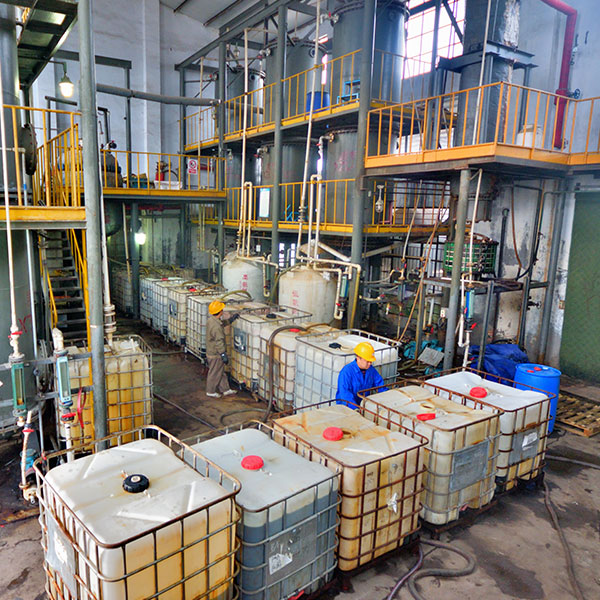
- IBC tanks (1000kg): Good balance for medium factories.
- Bulk tanker: Cheapest per kilo. Need storage tanks.
The Bottom Line
SLES is the workhorse of the personal care industry.
It’s everywhere because it just works.
Not too strong. Not too weak.
Not too expensive. Not too cheap.
If you’re starting a cleaning or personal care business, SLES is your best friend.
Just remember to check the 1,4-Dioxane level and choose the right EO number.
Performance and Applications
Sodium Lauryl Ether Sulfate (SLES) is a widely used synthetic detergent and surfactant found in personal care products such as shampoos, shower gels, hand washes, as well as in household and industrial cleaning products like dishwashing liquids and laundry detergents. As an excellent foaming agent, it dissolves easily in water and can produce a rich, dense foam, offering a good cleaning performance.
– Personal Care Products: Shampoos, shower gels, hand washes, facial cleansers, etc.
– Household Cleaning Products: Dishwashing liquids, laundry detergents, multipurpose cleaners, etc.
– Industrial Cleaners: Used for efficient cleaning of industrial equipment and environments.
Although SLES is a commonly used ingredient, some individuals may be sensitive to it or other components. Thus, when choosing products containing SLES, attention should still be paid to the overall formulation and the reaction of the skin after use.
Batch Consistency & QC
Storage and transportation package
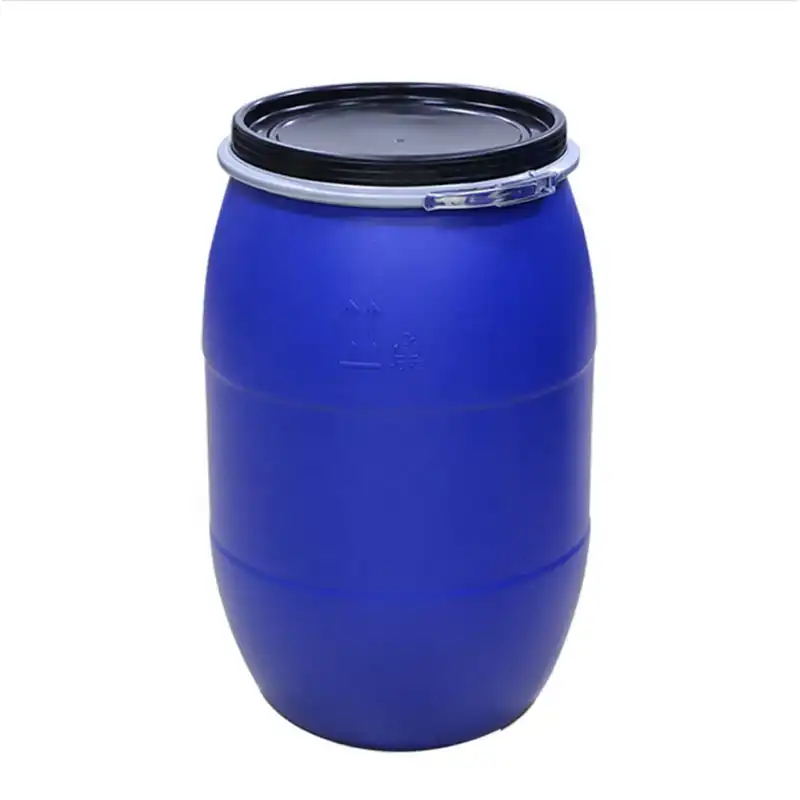
For liquid SLES, it is commonly 170KG or 210KG packaged in plastic.
Company Profile
The capabilities of a chemical company that possesses both production and research and development (R&D) capabilities include
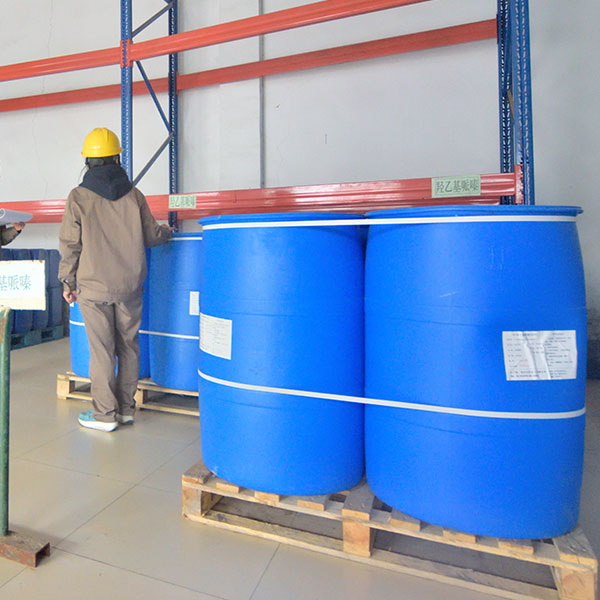
Technical Expertise
ORID have a team of highly skilled scientists, engineers, and technicians who possess deep knowledge and expertise in chemical research and development.
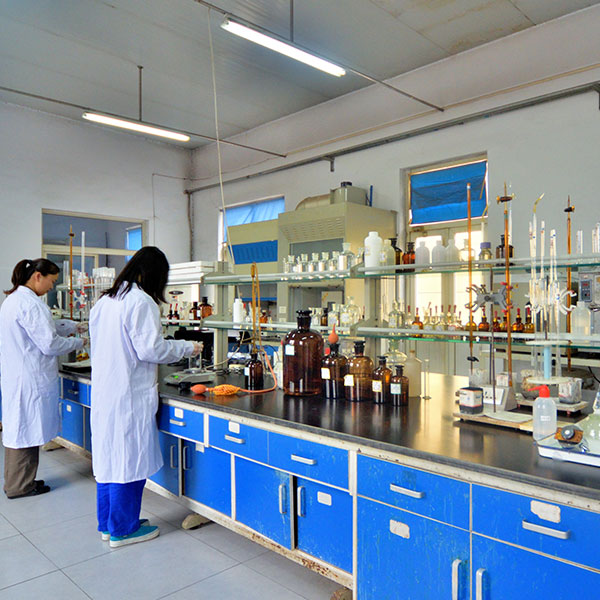
Laboratory Facilities
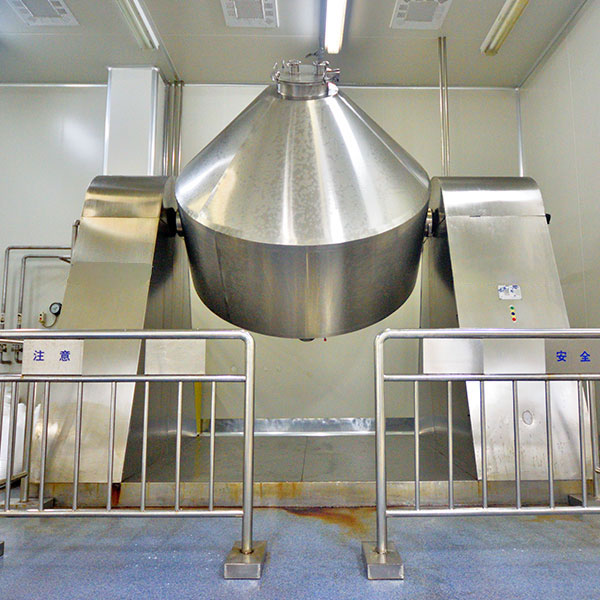
A well-equipped R&D laboratory is essential for conducting experiments, analyzing samples, and testing the performance of chemical products.
Innovation and Creativity
ORID foster a culture of innovation and encourage creative thinking among its R&D personnel.
Collaboration and Communication
Effective collaboration and communication are vital for a successful R&D factory.
Freequently Asked Question..?
We place a high value on the trust our customers and partners put in us. We ensure confidentiality through non-disclosure agreements and by employing stringent data protection measures across all stages of our business interactions. Your proprietary information is safeguarded with the utmost care and discretion.
Lead times can vary based on product type, availability, and order volume. Generally, we aim to process orders within 4-6 weeks from the date of confirmation. We also offer expedited services for urgent requirements. Please contact our sales team for specific lead times related to your order.
Absolutely. We specialize in developing customized chemical solutions tailored to our clients’ specific needs. Our expert R&D team works closely with clients to understand their requirements and deliver products that meet their exact specifications. For customization inquiries, please reach out to our technical support team.
We are happy to provide samples for testing and evaluation purposes. To request a sample, please visit our website’s “Contact Us” page, and fill out the request form with details about your needs and the specific product you are interested in. Our sales team will follow up with you to arrange the delivery of the sample.
