| Item | Value |
|---|---|
| Molar mass | 288.38 g/mol |
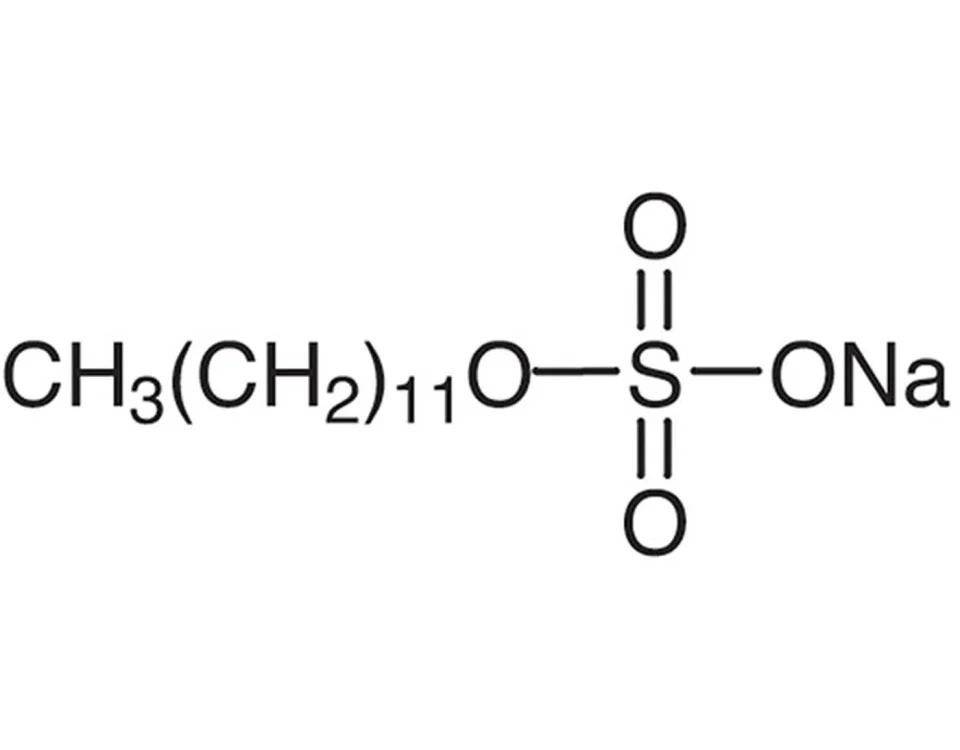
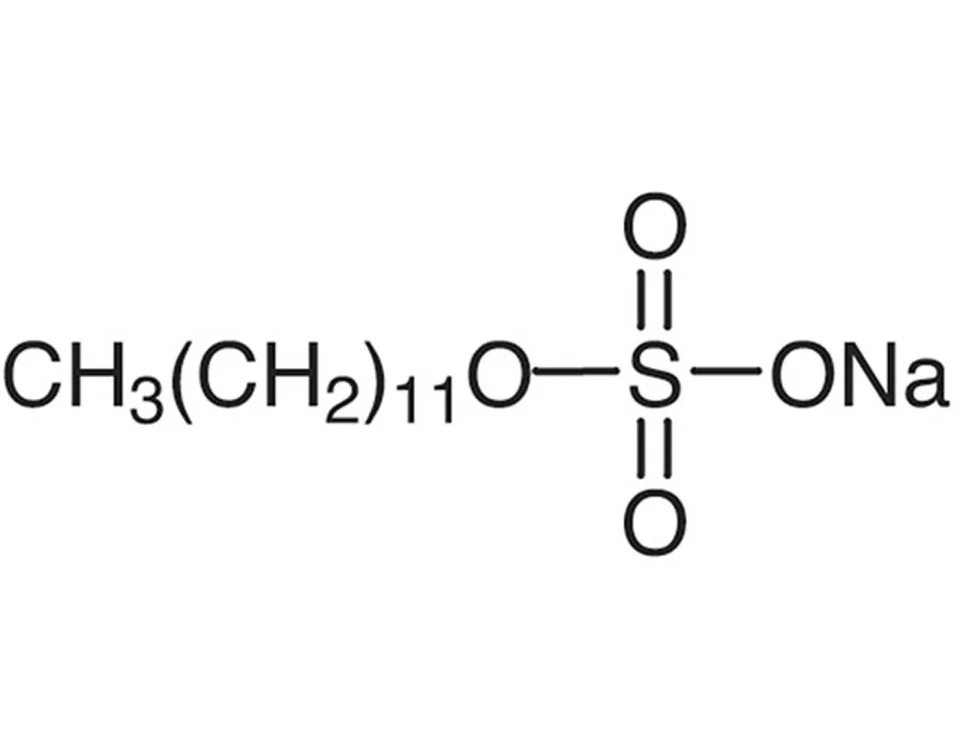
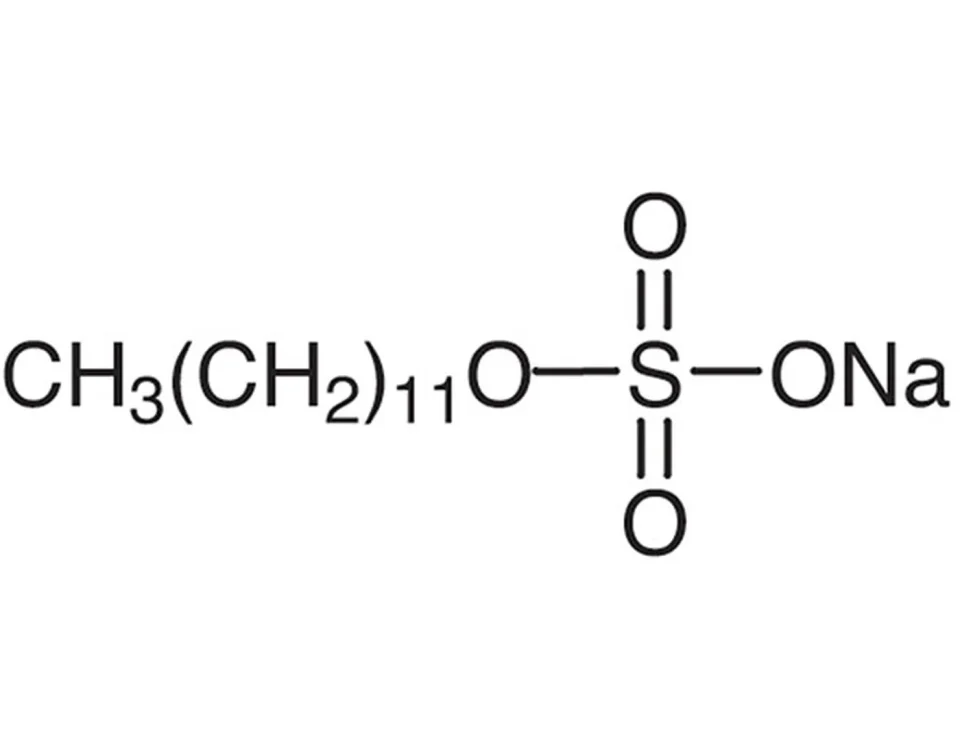
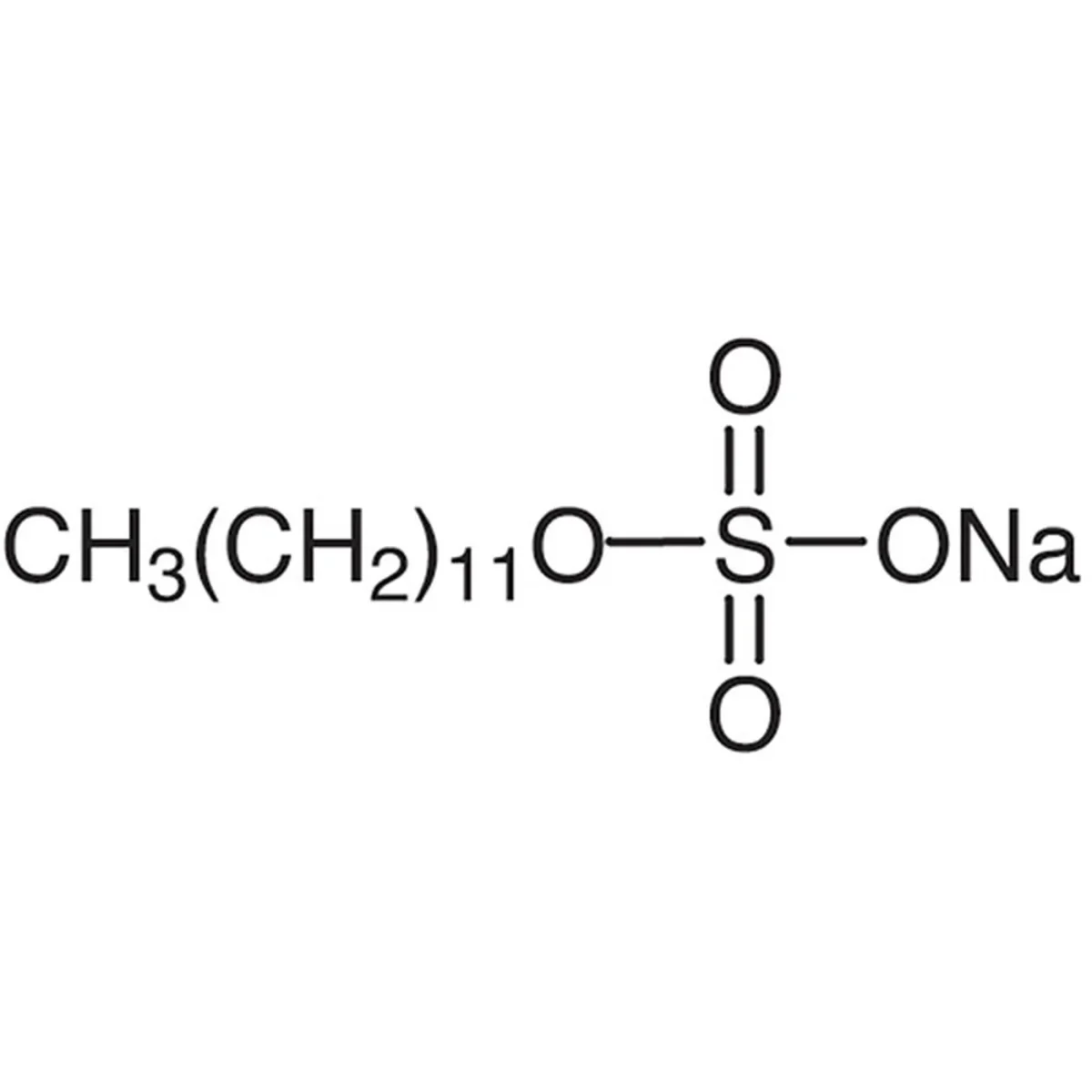
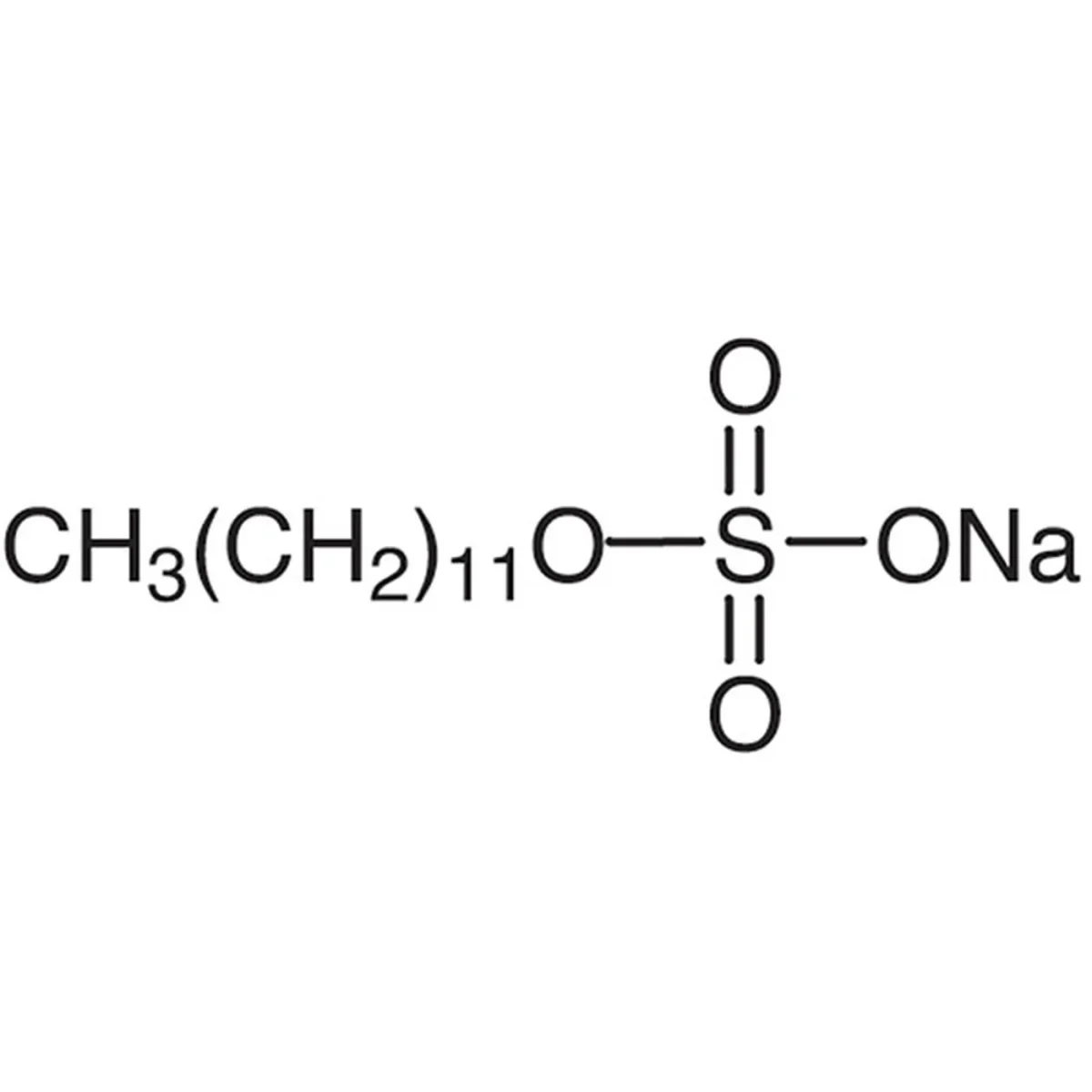
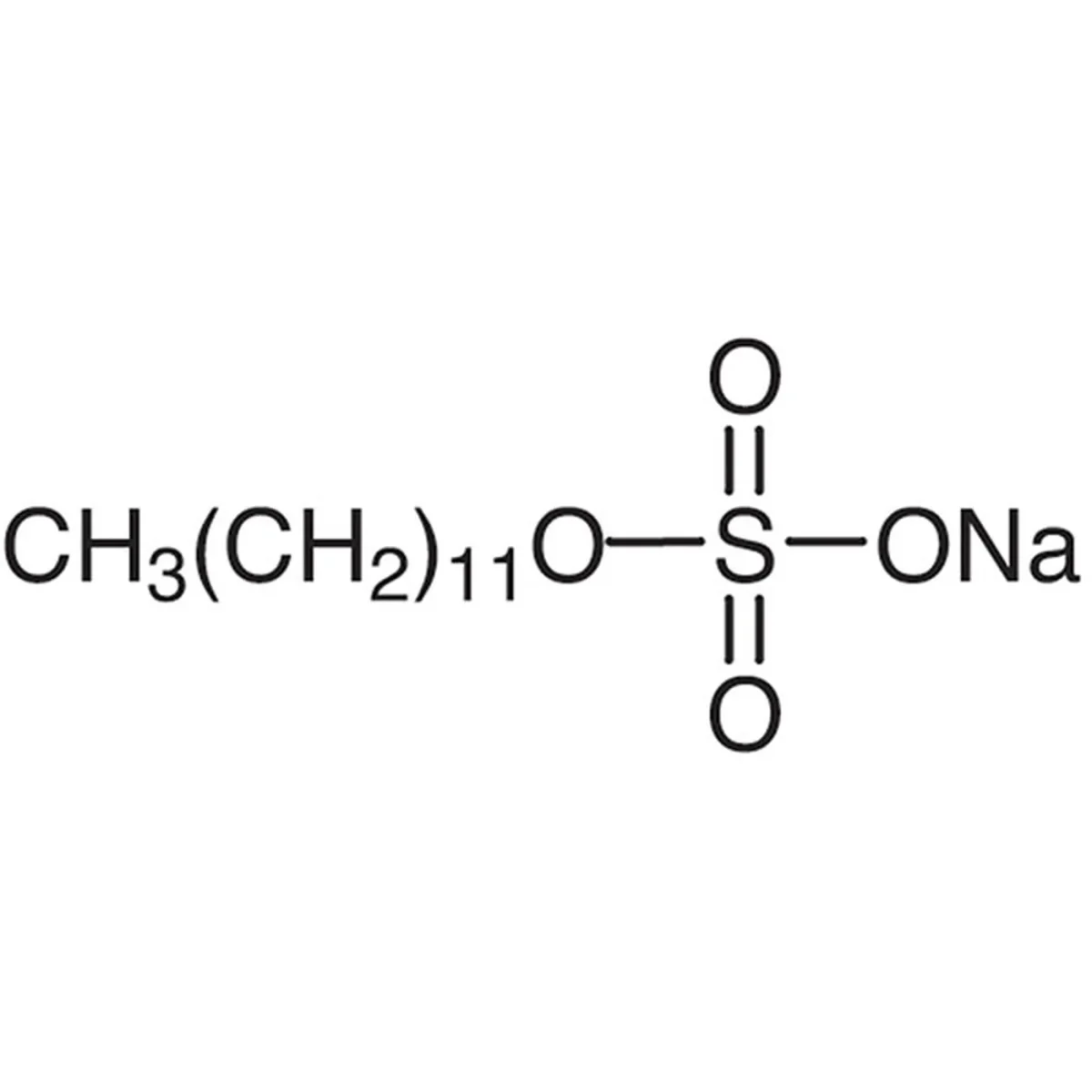
| Formula / CAS | C12H25NaO4S / 151-21-3 |
| 10 mM equivalent (illustrative) | 2.884 g/L |
| Grade assay used in sums | 92-95% (illustrative) |
| Packing | 25 kg bags or drums (illustrative) |
Working from a literature concentration? Request a sample or request a quote from contact our team to confirm the assay basis.
Short answer: The CAS number 151-21-3 identifies sodium lauryl sulfate with a molar mass of 288.38 g/mol. That figure turns literature concentrations in mM into the percent weights a plant actually weighs out. A cited CMC of 8.2 mM is about 2.36 g/L, or 0.24% w/v. Commercial grade assay then adjusts the weighed dose. ORID Chem supplies the grade COA for that calculation.
Key takeaways
- CAS 151-21-3 has a molar mass of 288.38 g/mol.
- A literature CMC of 8.2 mM converts to about 2.36 g/L or 0.236% w/v.
- Divide the target active mass by the grade assay to get the weighed dose.
- A 30% solution needs a density figure when dosing by volume.
- Record the CAS number, formula and lot number in the batch record.
Why the molar mass matters in a formulation
Laboratory papers state sodium dodecyl sulfate concentrations in millimolar. A production batch sheet uses kilograms per thousand litres. Bridging the two needs 288.38 g/mol, the molar mass of C12H25NaO4S for CAS 151-21-3. Multiply molar concentration by the molar mass to reach grams per litre. Skip that step and a buffer recipe arrives at the plant an order of magnitude wrong.
Converting the literature CMC into percent weight
A commonly cited critical micelle concentration is 8.2 mM at 25 C. Multiplied by 288.38 g/mol, that is roughly 2.36 g/L, or 0.236% w/v. Treat it as a literature value, since electrolyte content and temperature shift the measured point. Our CMC and Krafft point note explains why micelle formation and dissolution temperature are separate questions.
Active matter versus molar concentration
A grade at 92% active carries 920 g of the surfactant per kilogram of product. To deliver 2.36 g/L of active from that powder, weigh about 2.57 g/L of product. The table below is illustrative arithmetic, not a specification.
| Target active | Grade assay | Product to weigh per 1,000 L | Basis |
|---|---|---|---|
| 2.36 g/L (8.2 mM) | 100% pure | 2.36 kg | Molar mass only |
| 2.36 g/L (8.2 mM) | 92% | 2.57 kg | Assay corrected |
| 2.36 g/L (8.2 mM) | 95% | 2.48 kg | Assay corrected |
| 10 g/L detergent dose | 92% | 10.87 kg | Assay corrected |
| 10 g/L detergent dose | 30% liquid | 33.3 kg | Assay corrected |
Worked dose calculation for a 10 mM buffer
Ten millimolar calls for 2.884 g/L of the pure salt. From SDS 99% that becomes about 2.91 g/L of product; from SLS 92% powder, about 3.13 g/L. The water phase absorbs the difference. Laboratories usually work from the high-assay grade because the salt and moisture balance affects conductivity and reproducibility.
Where the grade assay changes the arithmetic
Every calculation above assumes the assay on the lot COA matches the label. Ask for that figure before a scale-up. SLS 93 and SLS 94 differ by roughly three percent in weighed dose at the same active target, which matters in a sachet formula with a tight weight tolerance. SLS 30% solution needs a density figure as well when dosing is done by volume, as covered in our liquid versus powder freight note.
Identifiers to keep beside the calculation
Record the CAS number, the formula C12H25NaO4S, the molar mass and the lot number in the batch record. A calculation sheet with only the trade name SDS is impossible to audit a year later. Our cost per kilogram of active matter example uses the same assay correction on the commercial side. Contact our team for the grade TDS and lot COA.
The same catalogue also lists SDS 97%.
Frequently asked questions
What is the molar mass used for CAS 151-21-3?
288.38 g/mol for C12H25NaO4S. Use it to convert millimolar concentrations from literature into grams per litre for production.
How much product delivers 10 mM sodium dodecyl sulfate?
About 2.884 g/L of pure salt. At 92% assay that is roughly 3.13 g/L of powder. Adjust using the assay on your lot COA.
Why does the CMC differ between papers?
Temperature, electrolyte content and chain-length distribution shift the measured value. Treat 8.2 mM as a literature reference and measure your own system if the number drives the formula.
Can I dose the 30% solution by litres instead of kilograms?
Yes, but you need the solution density at your storage temperature. Weighing is more reliable in a plant where temperature varies.
Should the batch record include the CAS number?
It helps. Along with the lot number and assay, it lets an auditor reconstruct the calculation from the substance rather than from an ambiguous trade name.
Request a quote or a sample
Request a quote with your target active dose and destination port for current bulk pricing, MOQ and lead time. Request the COA/MSDS to confirm the assay, and request a sample to validate the conversion in your own method.
Written and reviewed by the ORID Chem technical team. Last updated: 16 November 2026. Figures marked illustrative are working values, not quotations. Confirm current specifications on the product TDS and lot COA before ordering.