| Item | Value |
|---|---|
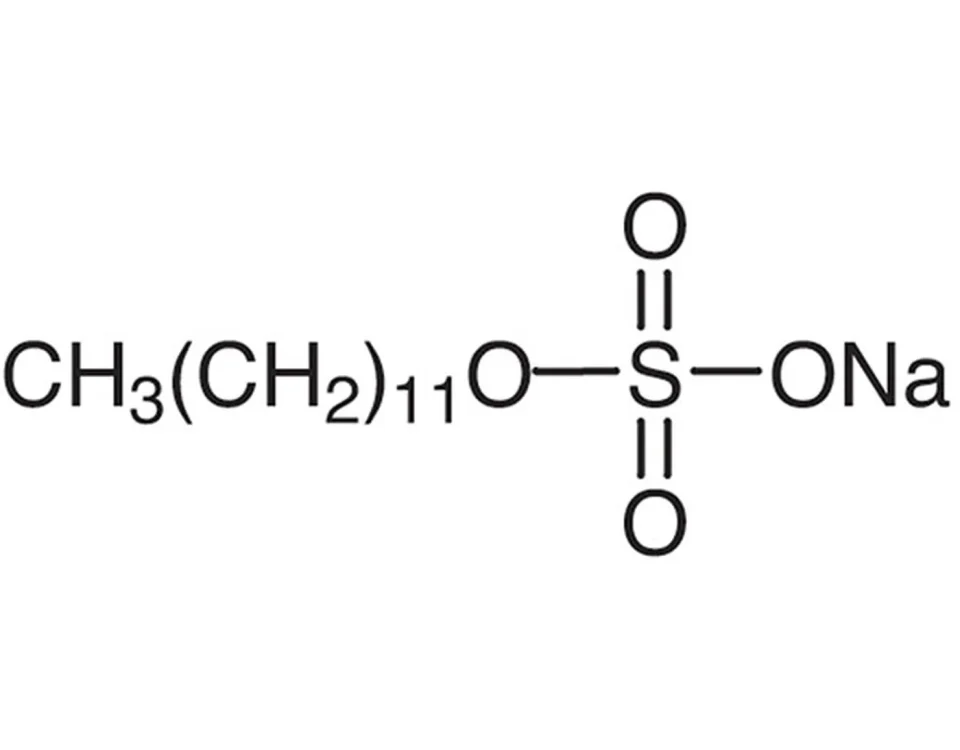
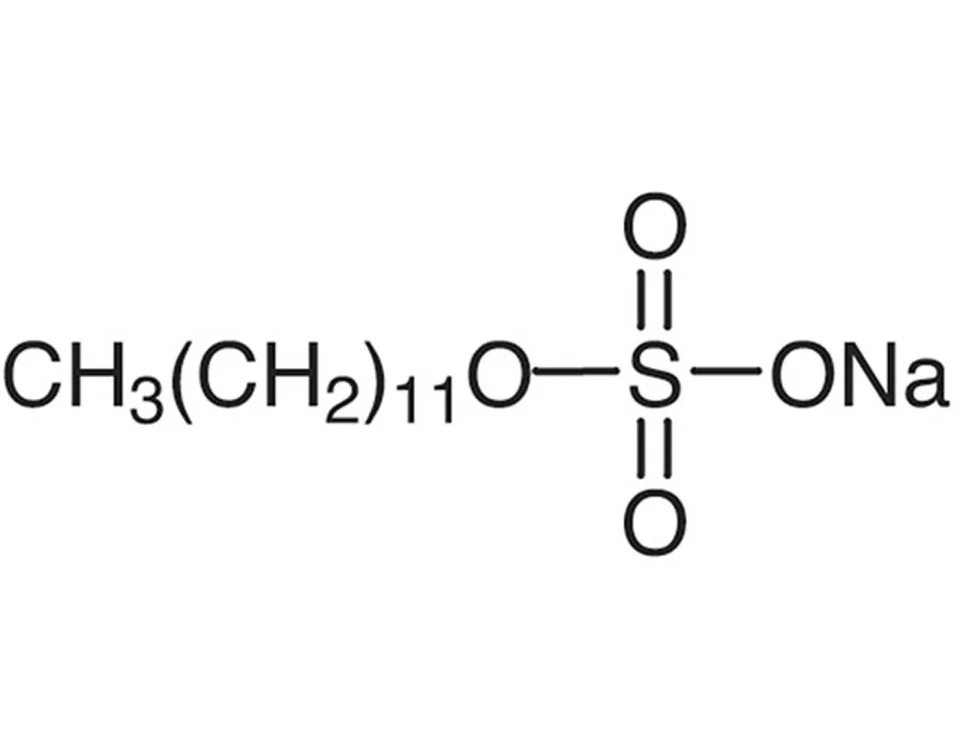
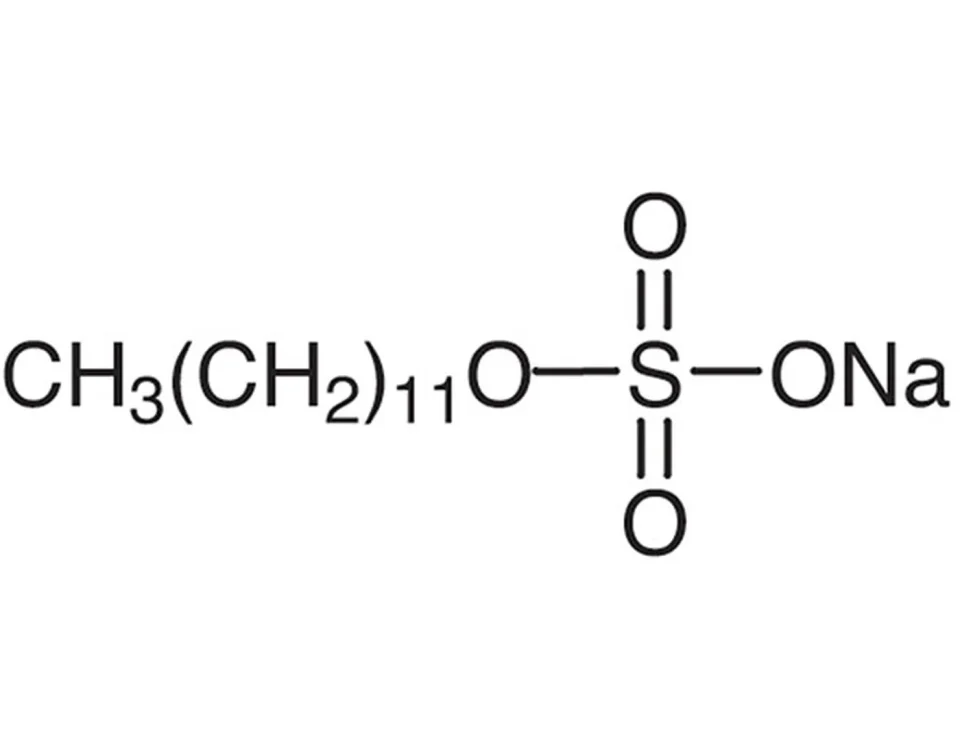
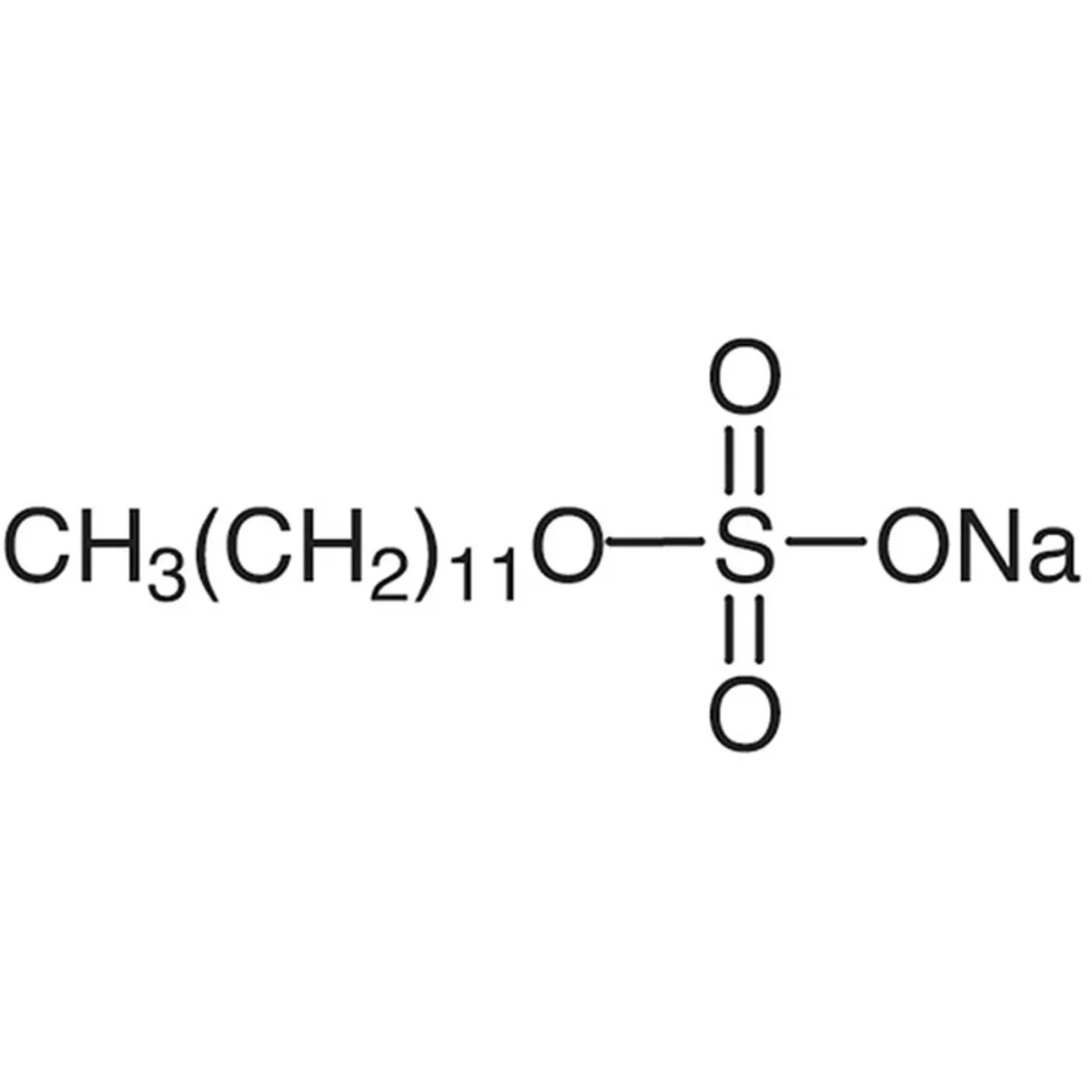
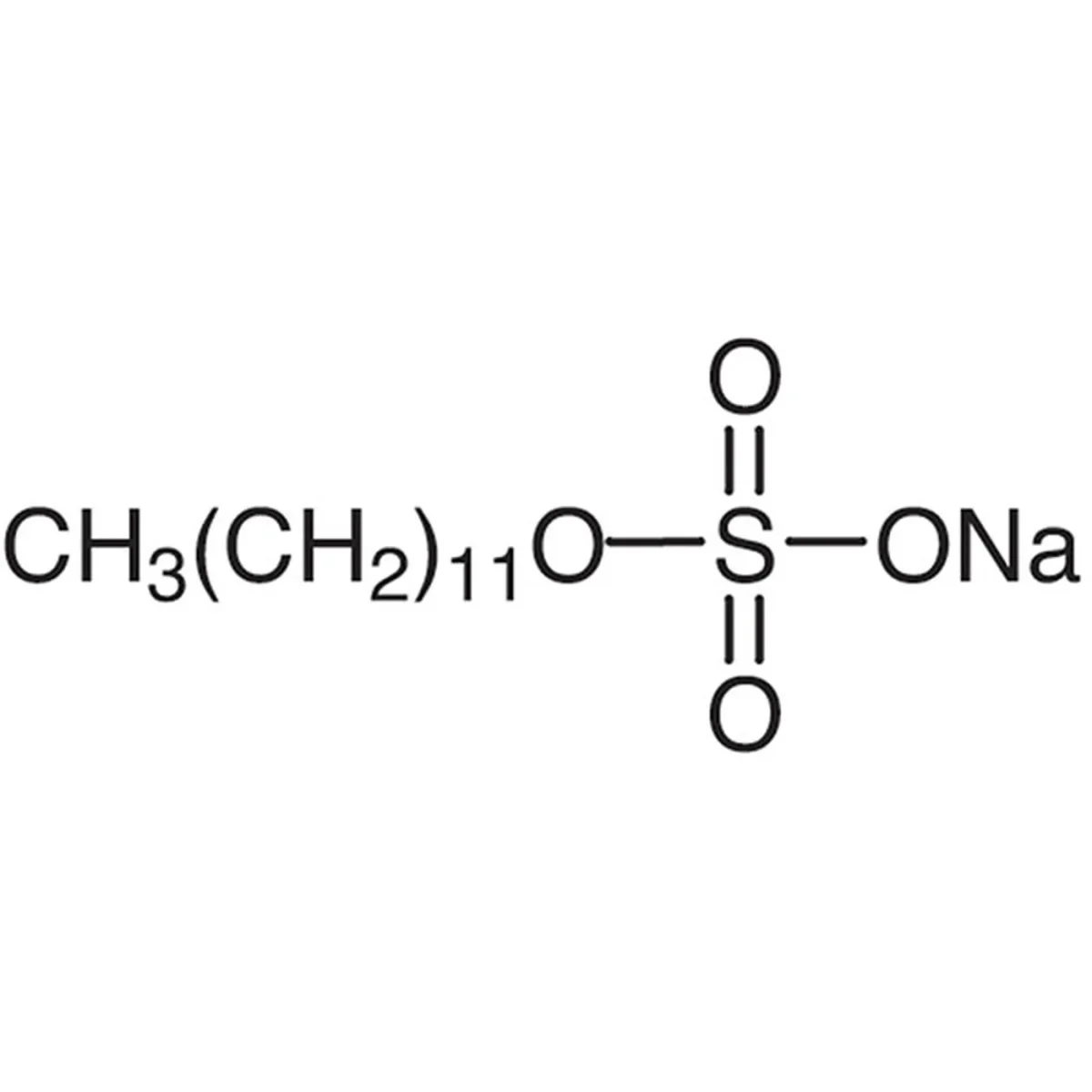
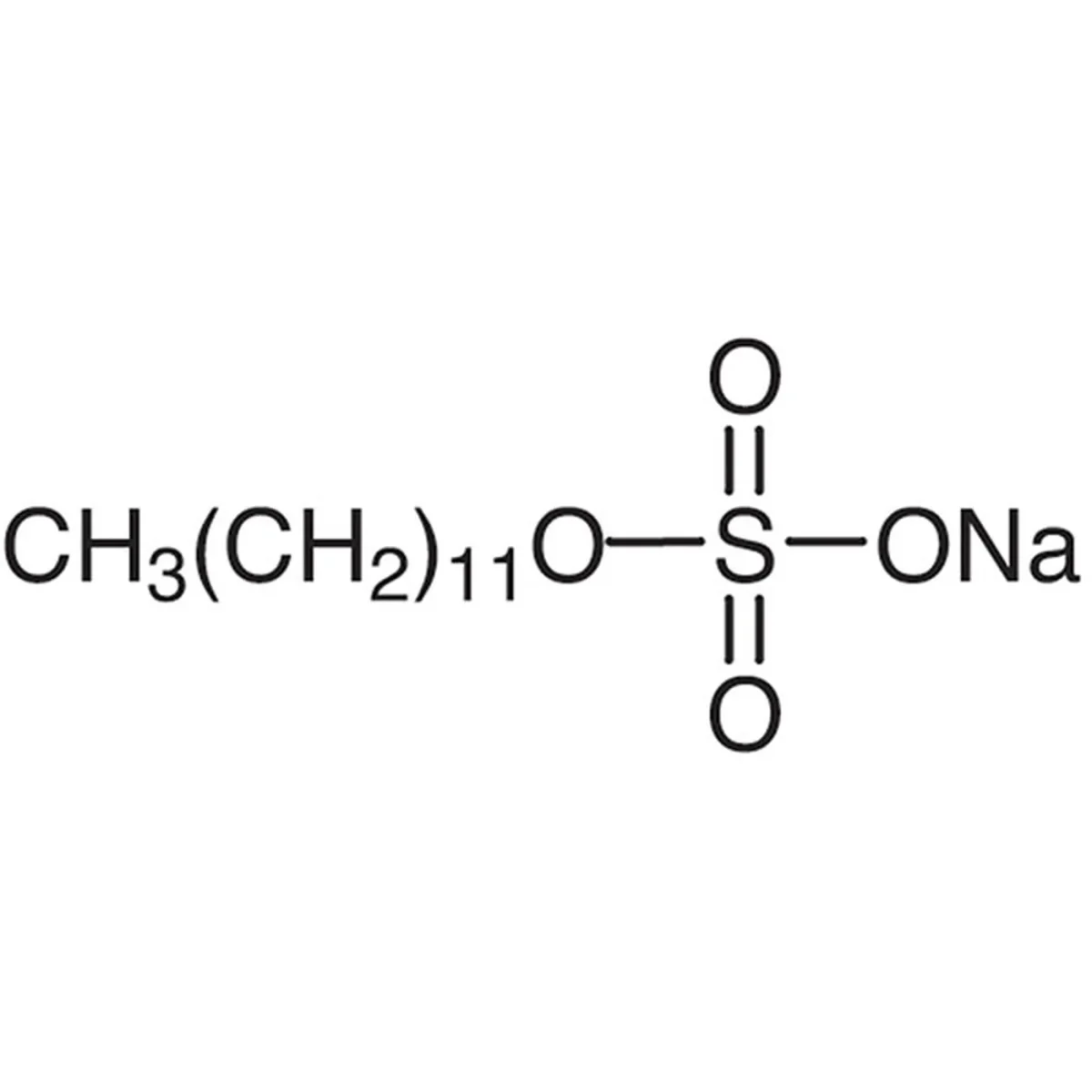
| CAS on artwork | 151-21-3 |
| Bag net weight (illustrative) | 25 kg |
| Label fields | Product name, grade, lot number, net weight |
| Grades covered (illustrative) | 92%, 93%, 94% powder |
| Documents | COA, TDS and MSDS on request |
Destination-specific artwork takes a lead time, so request a quote or request the COA/MSDS from contact our team before printing.
Short answer: On a bulk package, CAS 151-21-3 identifies the substance inside the bag. It normally sits with the product name, grade, net weight, lot number and the hazard wording taken from the safety sheet. Label requirements vary by destination, so agree the artwork with the consignee before printing. ORID Chem supplies the identifier set and current documents for the grade ordered.
Key takeaways
- Put CAS 151-21-3 in the identification block, not in the lot-number field.
- The grade field must state powder or solution, since both share the number.
- Hazard wording comes from Section 2 of the current safety sheet.
- Match bag lot number, COA lot number and packing list at goods receipt.
- Send label artwork requirements before the print run.
What belongs on a 25 kg bag label
A workable label answers four questions at a glance: what is in the bag, how much of it is active, which lot it came from, and how to handle it. Packing is illustrative at 25 kg kraft bags or fibre drums. Keep the type large enough to read in a warehouse and put the grade name in the same field as the CAS number rather than across two lines of small print.
Where the CAS number sits on the artwork
Put 151-21-3 in the identification block with the product name and formula. It is not a batch code and should not be printed in the lot-number field. SLS 92% powder and SLS 30% liquid share the number, so the grade field has to carry the form as well. A label reading only SLS leaves the receiver to guess which one arrived.
Hazard wording and where it comes from
Signal words, hazard statements and precautionary statements come from the current safety sheet for the exact grade, not from the marketing copy. Copy them from Section 2 of that document and keep the revision date on file. If a consignee asks for a specific layout, check the artwork against the sheet before the bags are printed.
Lot number, net weight and traceability
The table separates the fields buyers most often find missing at goods receipt.
| Label field | Source | Why receiving needs it |
|---|---|---|
| Product name and grade | TDS | Confirms the ordered form |
| CAS 151-21-3 | Registry | Ties the bag to the MSDS |
| Net weight | Packing list | Reconciles the consignment |
| Lot number | Production record | Links to the COA |
| Hazard statements | Safety sheet Section 2 | Warehouse handling |
| Supplier and contact | Purchase order | Query route |
Destination-specific artwork requests
Importers in India, Pakistan, Iran, Russia and Southeast Asia sometimes need local-language fields or a fixed consignee address on the label. Those requests need to arrive before the print run. Our freight note on liquid and powder packing explains why a drum label also carries different handling notes from a bag. Coloured needle grades need an extra colour field.
Label checks at goods receipt
Match the lot number on the bag to the lot COA, the CAS number to the safety sheet and the net weight to the packing list. Photograph one bag per lot for the receiving file. A mismatch is easier to resolve while the container is still on site. Contact our team if your consignee uses a fixed artwork template.
Related grades on this site include SLS 93% powder, SLS 94% powder, SDS 99%. The CMC and Krafft point note gives the formulation context.
Frequently asked questions
Is the CAS number required on every destination label?
Requirements vary by country and by the consignee’s own system. Include it in the identification block as a practical default and confirm the local rules with your broker.
Can the same artwork cover powder and 30% liquid?
Not without editing. Grade, net weight and handling notes differ. Keep a separate artwork version for each physical form.
Where do the hazard statements come from?
Section 2 of the current Safety Data Sheet for that grade. Do not copy them from an old label or from a different supplier’s artwork.
Why does the lot number need to match the COA?
The COA reports measured values for one production lot. If the numbers do not match, the assay and pH on the sheet do not describe the bags in front of you.
Can we add our own consignee details to the bag?
Often yes, if the artwork is agreed before printing. Send the template with the purchase order rather than after packing.
Request a quote or a sample
For bulk pricing, MOQ and lead time, request a quote with your label artwork requirements and destination port. Request the COA/MSDS to copy the hazard wording, and contact our team about a pre-shipment sample.
Written and reviewed by the ORID Chem technical team. Last updated: 16 November 2026. Figures marked illustrative are working values, not quotations. Confirm current specifications on the product TDS and lot COA before ordering.