| Item | Value |
|---|---|
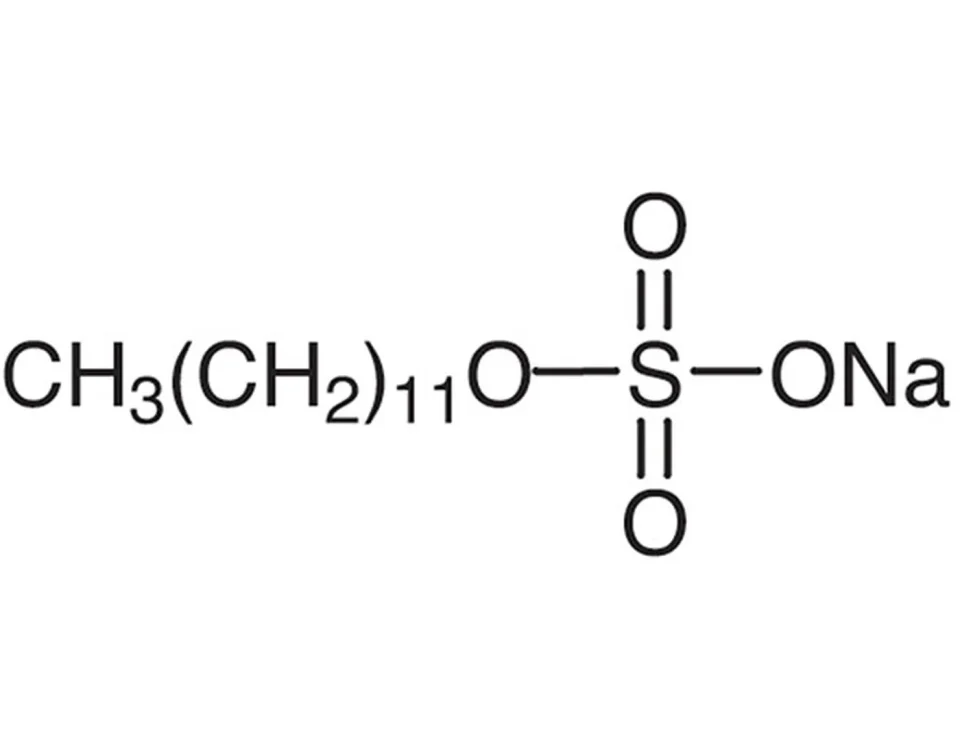
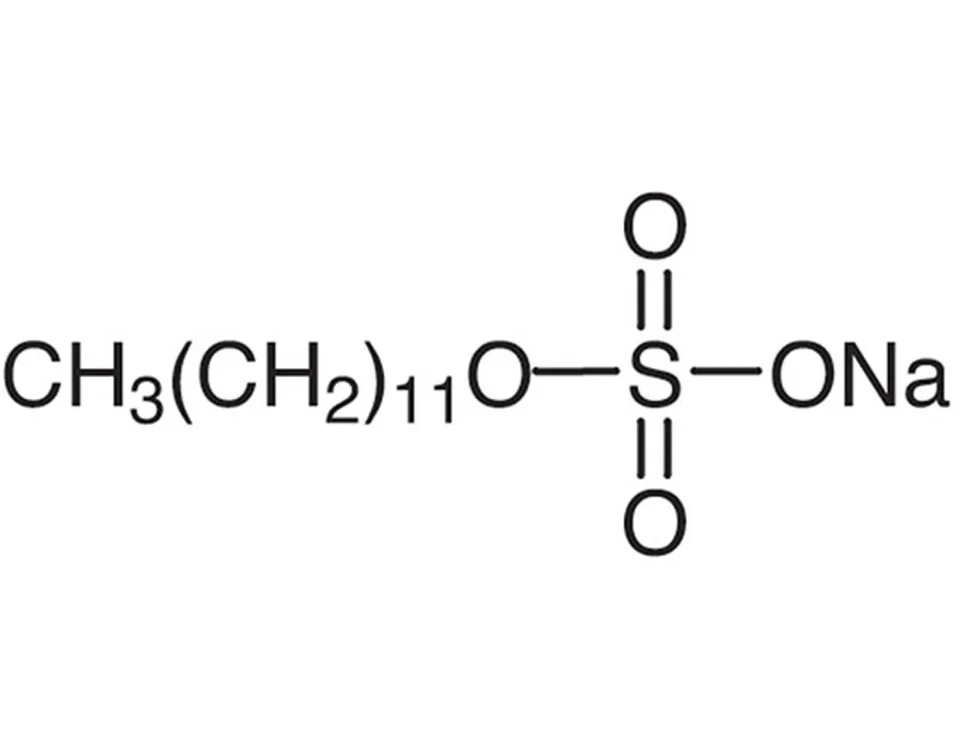
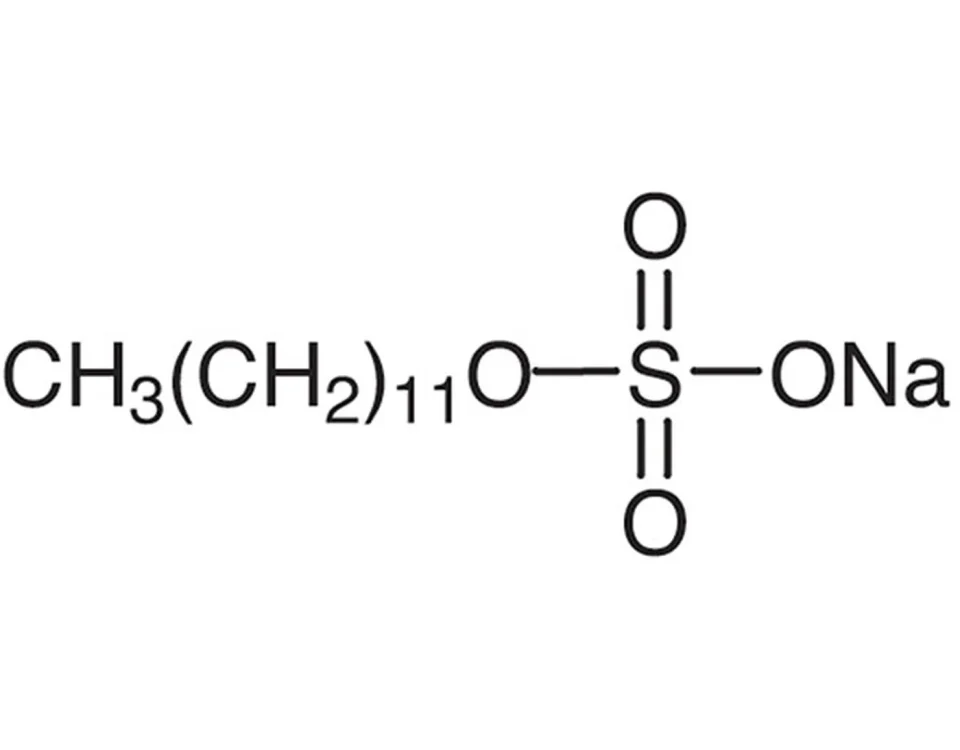
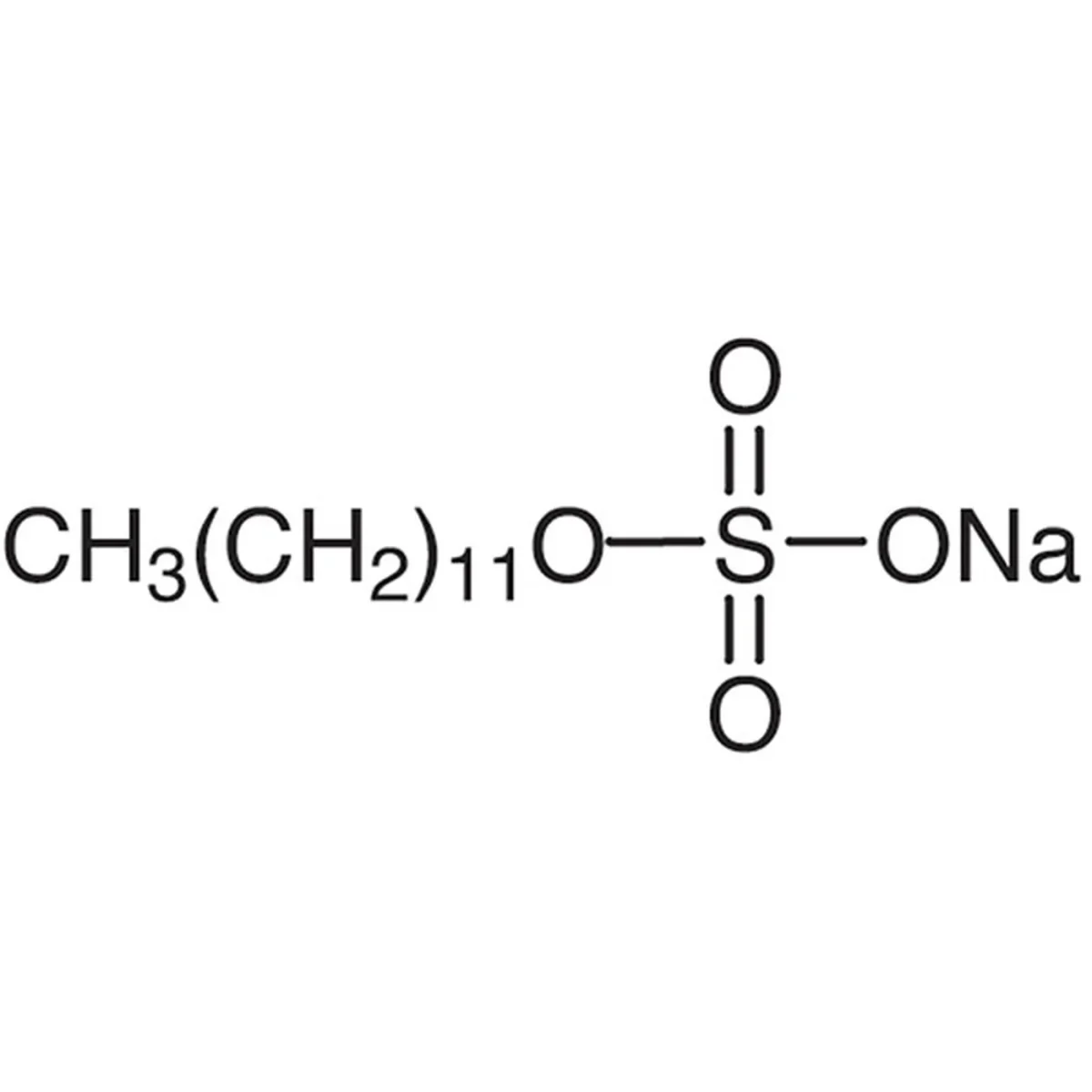
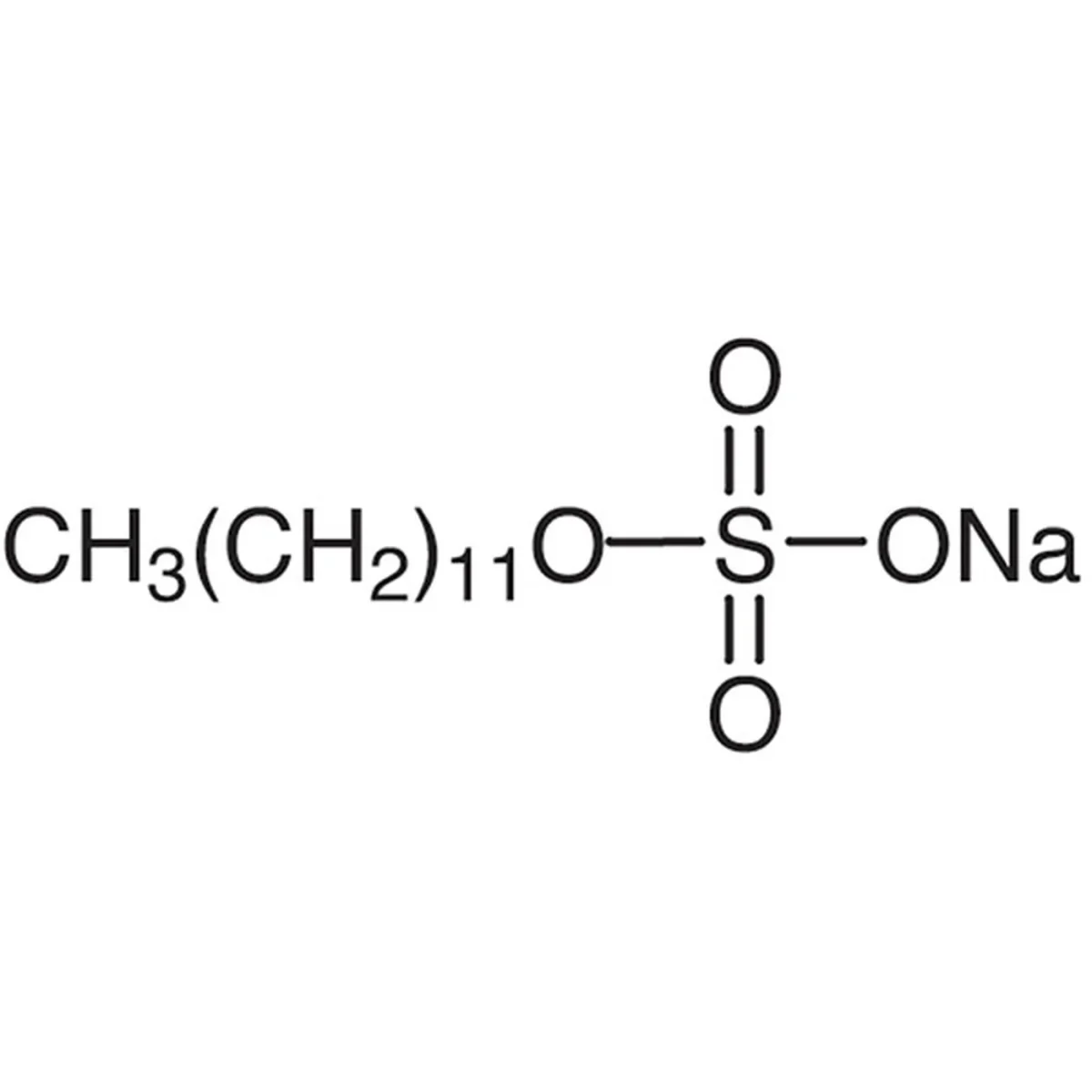
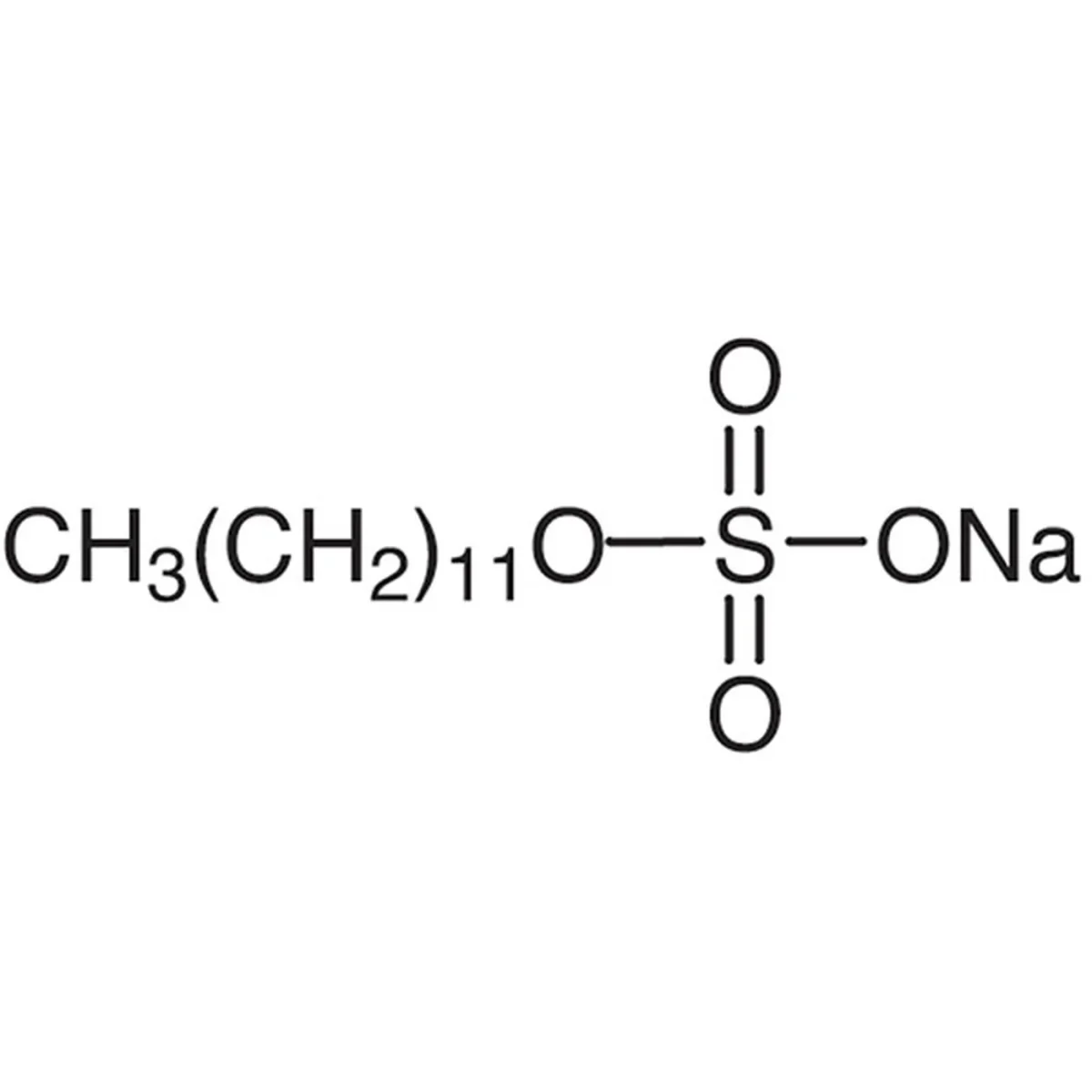
| CAS / formula | 151-21-3 / C12H25NaO4S |
| Function | Anionic wetting, foaming and emulsification |
| Typical use level (illustrative) | 0.1-2% in aqueous systems |
| Grades (illustrative) | 92-99% powder, 30% solution |
| Packing | 25 kg bags or drums (illustrative) |
Testing a formulation dose means fixing the assay first, so request a sample or request a quote from contact our team with your target active matter.
Short answer: Sodium dodecyl sulfate is an anionic surfactant, CAS 151-21-3, formula C12H25NaO4S. Its function comes from a split molecule: a C12 chain avoids water while the sulfate head stays in it. At an interface it lowers surface tension; above roughly 8.2 mM it forms micelles; in a buffer it denatures proteins. ORID Chem supplies 92-99% grades for those jobs.
Key takeaways
- The C12 chain plus sulfate head makes the molecule collect at interfaces and lower surface tension.
- Literature CMC is near 8.2 mM at 25 C; micelles form above it.
- Cold water below roughly 16 C slows dissolution of the salt.
- Foam, wetting, emulsification and protein denaturation are different uses of the same effect.
- Hard water and high electrolyte levels are the usual reasons to blend or switch anionics.
What the molecule does at an interface
Add a little to water and the molecules migrate to the surface, tails out of the liquid. Surface tension falls as the interface fills. That single effect explains most of the practical jobs: a drop spreads instead of beading, a powder wets instead of floating, and an oily soil can be lifted. The hydrophilic sulfate head carries a negative charge, which is why hardness ions and cationic ingredients interfere with it.
Wetting and surface tension reduction
Wetting time is the fastest plant-side check. Agrochemical wettable powders and textile scouring baths use the surfactant to get water onto a hydrophobic surface quickly. A Draves wetting time comparison reports illustrative values across SLS, AOS and SLES. SLS in caustic degreasing is covered in a separate note, where high electrolyte levels change the dose.
Micelle formation and solubilisation
Once the interface is saturated, extra molecules gather into micelles with the tails inward. The concentration where that starts is the critical micelle concentration, about 8.2 mM at 25 C in the literature. Below the Krafft point of roughly 16 C the salt dissolves poorly, so a cold plant sees needles rather than a clear solution. Both numbers are literature values, not lot specifications. Our CMC and Krafft point note works through the arithmetic.
Foam, emulsification and detergency
The same molecule supports three different jobs, and a formula rarely optimises all three at once. The table below is a practical map rather than a performance claim.
| Function | Where it is used | Typical illustrative dose | What limits it |
|---|---|---|---|
| Foaming | Toothpaste, shower gel, powder detergent | 0.5-2% of formula | Hard water, high salt |
| Wetting | Agrochemical WP, textile scouring | 0.1-0.5% of bath | Electrolyte level |
| Emulsification | Emulsion polymerisation | 0.5-3% on monomer | Electrolyte, temperature |
| Protein denaturation | Electrophoresis sample buffer | About 0.1-2% w/v | Purity of the reagent |
| Detergency | Laundry and hard-surface cleaners | 5-15% active with builders | Water hardness |
Protein denaturation in laboratory buffers
In electrophoresis, SDS binds along the polypeptide backbone and gives proteins a roughly uniform charge-to-mass ratio, so separation follows size. High-assay SDS 99% is the usual reagent choice; LDS is used when the run happens at low temperature. Our emulsifier comparison of SLS, LDS and SDS 97% covers the polymerisation side of the same chemistry.
Where this surfactant is not the right tool
Hard water pushes calcium and magnesium into play, and a sulfonate such as AOS often keeps detergency better. Salt-thickened systems can thin if the electrolyte load climbs, which our AOS versus SLES shampoo comparison discusses for a nearby system. Mild personal-wash formulas frequently switch part of the active to SLES 70%. SLS 92% then stays as a foam booster.
Buyers comparing this entry often review SLS 30% solution.
Frequently asked questions
What is the primary function of sodium dodecyl sulfate?
It lowers surface tension as an anionic surfactant. That produces wetting, foaming, emulsification and detergency, and in laboratory buffers it also denatures proteins.
Why does hard water reduce its performance?
Calcium and magnesium interact with the anionic head and reduce the effective concentration at the interface. Sulfonates such as AOS generally hold up better in those conditions.
Is a higher grade needed for electrophoresis?
Usually yes, because salt and unsulfated matter affect conductivity and reproducibility. Laboratories commonly specify SDS 99% and check the lot COA.
At what concentration do micelles form?
A literature value near 8.2 mM at 25 C is widely cited. Electrolytes, temperature and chain-length distribution shift the measured point.
Can SDS replace SLES entirely in a shampoo?
It can supply foam, but mildness and salt-thickening behaviour change. Most formulas use a blend and settle the ratio with their own viscosity and foam tests.
Request a quote or a sample
Request a quote with your application, target active dose and destination port for bulk pricing, MOQ and lead time. Request a sample of the grade you want to screen, and request the COA/MSDS before the trial batch.
Written and reviewed by the ORID Chem technical team. Last updated: 16 November 2026. Figures marked illustrative are working values, not quotations. Confirm current specifications on the product TDS and lot COA before ordering.