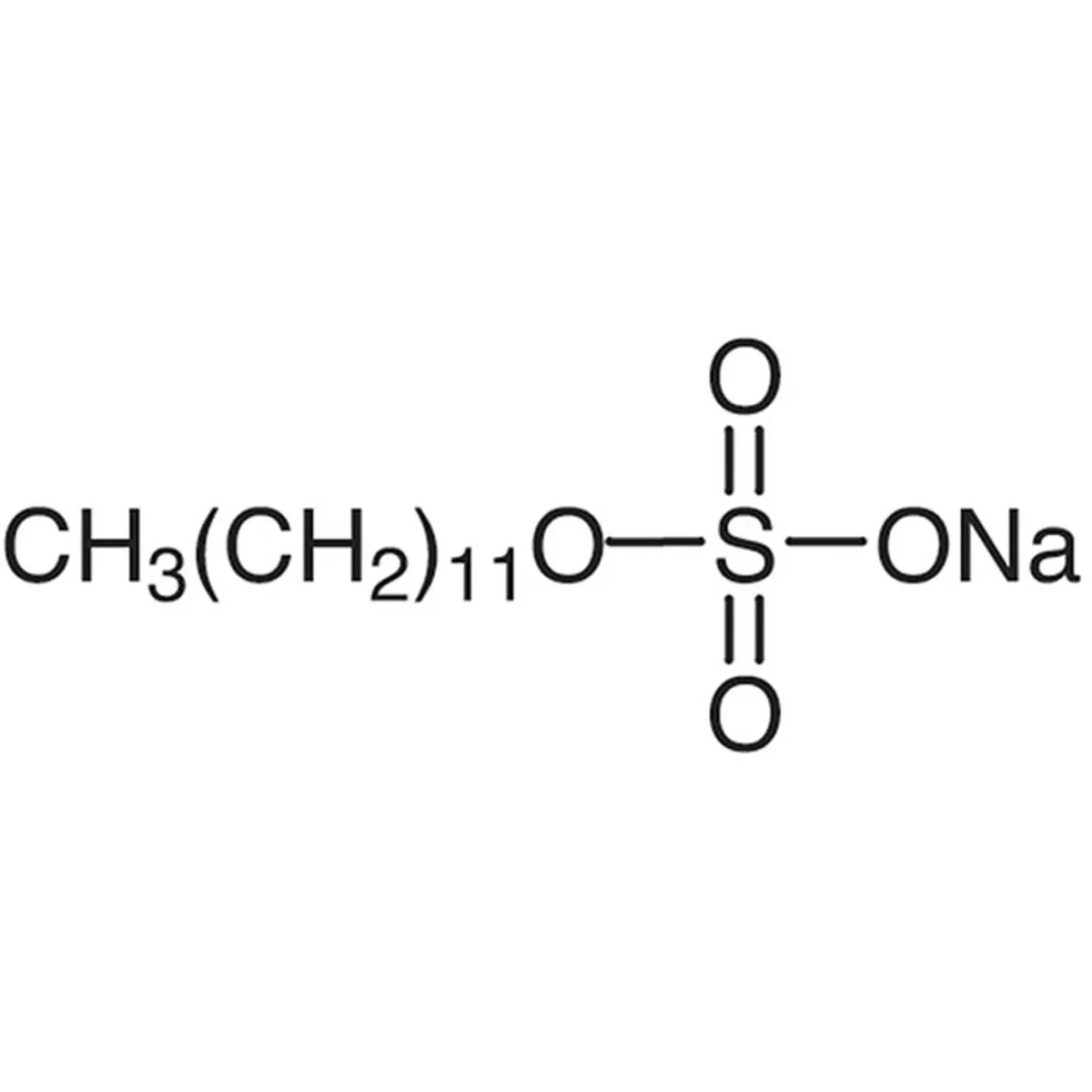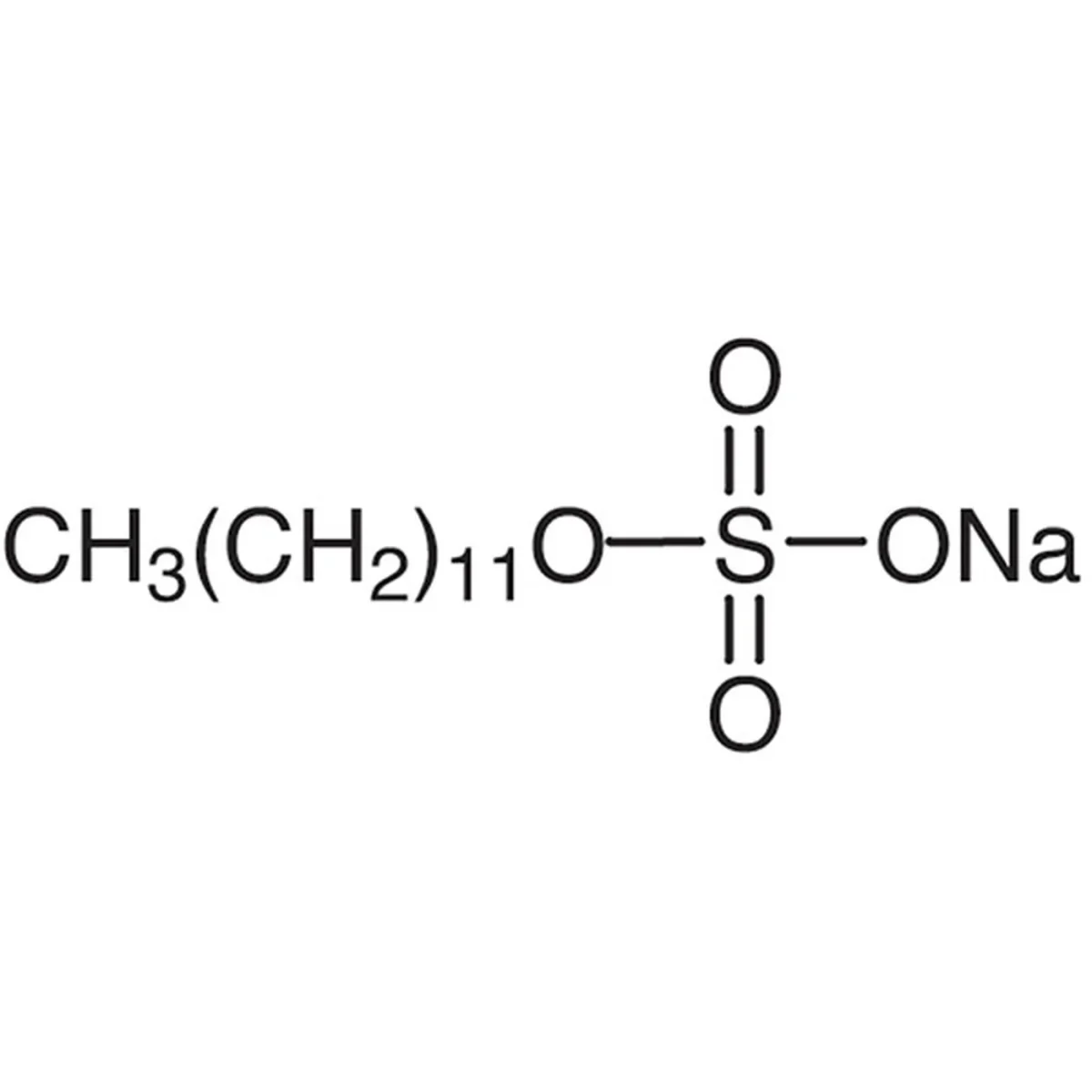
| Item | Value |
|---|---|
| CAS | 151-21-3 |
| True density (illustrative) | near 1 g/cm3 |
| Bulk density, needle powder (illustrative) | 0.3-0.5 g/cm3 |
| 30% solution density (illustrative) | 1.05-1.10 g/cm3 |
| Container payload | 25 kg bags or drums (illustrative) |
Bulk density changes a container payload, so request a quote or request the COA/MSDS from contact our team with the grade and form.
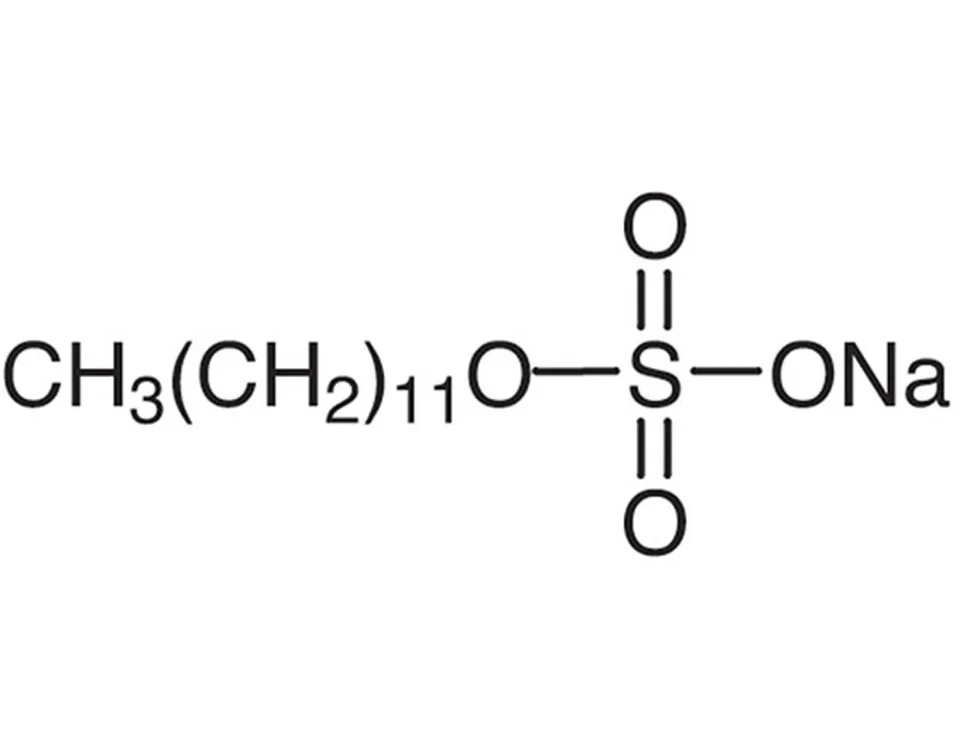
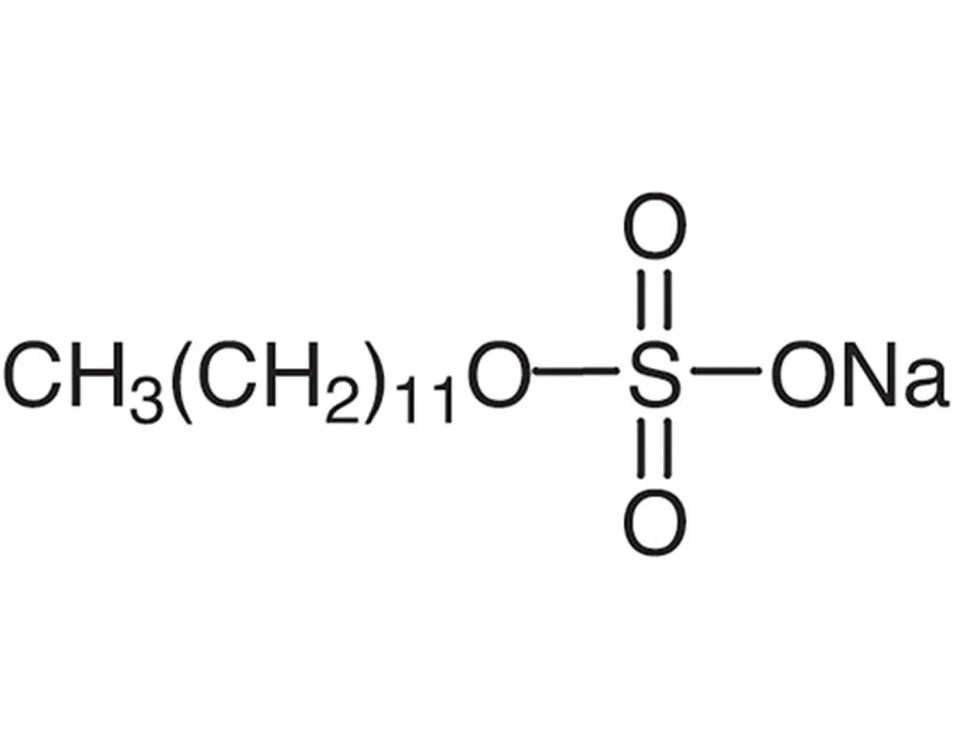
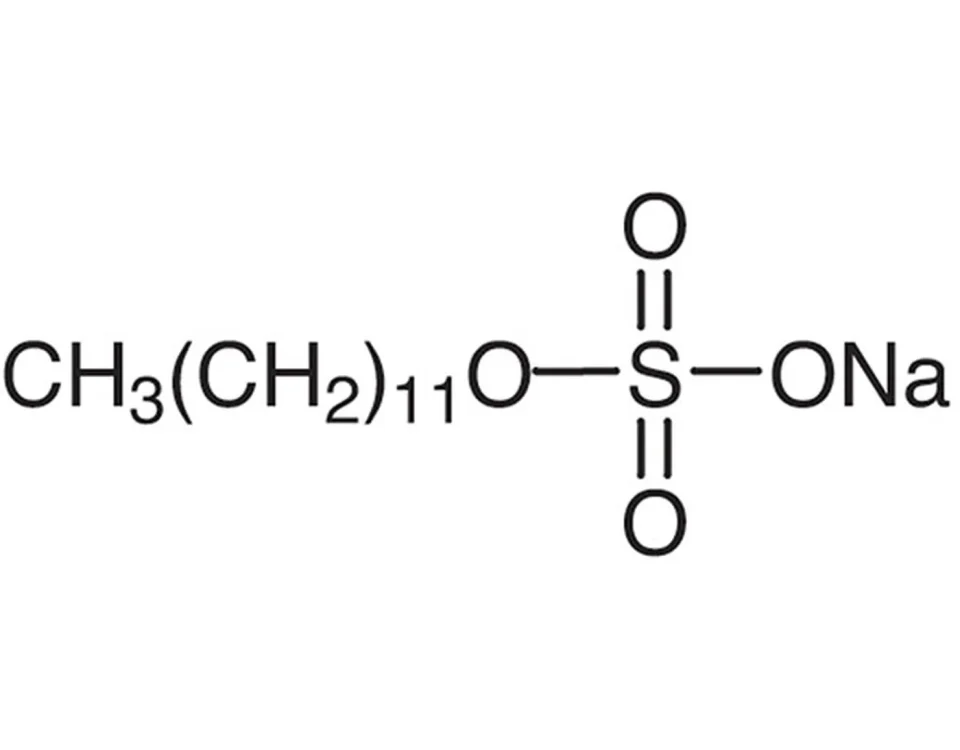
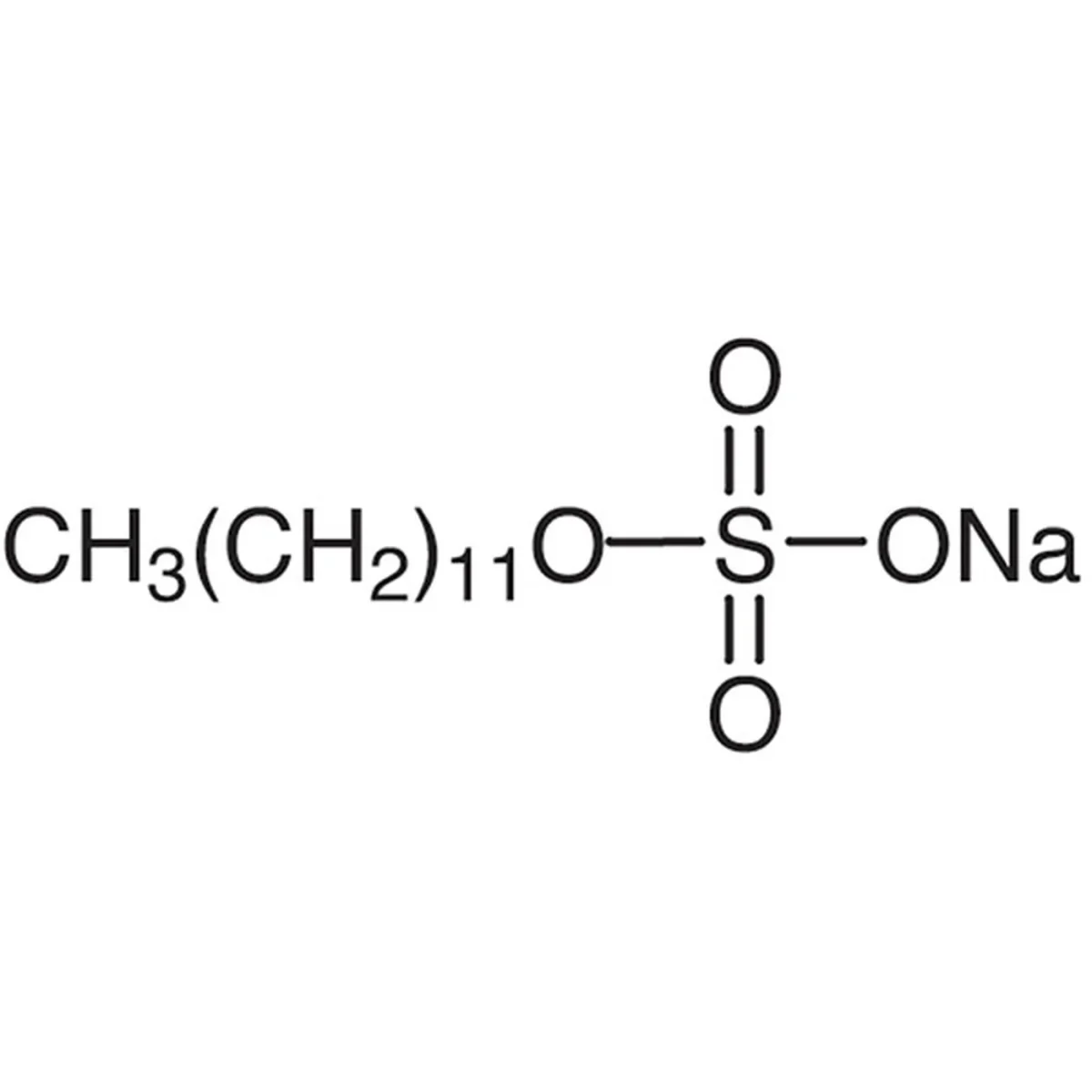
Short answer: Sodium dodecyl sulfate density means two different things. True density of the solid is near 1 g/cm3, while the bulk density of needle powder is much lower because air sits between the particles. Bulk density decides how many 25 kg bags fit in a container. A 30% solution has its own liquid density. ORID Chem provides grade-specific packing data on request.
Key takeaways
- True density of the solid and bulk density of the powder are different numbers.
- Bulk density sets how many 25 kg bags fit in a container.
- Particle shape, moisture and vibration during transit change the measured bulk density.
- A 30% solution needs its own density figure for volume-based dosing.
- Re-calibrate volumetric feeders whenever the grade or particle form changes.
Bulk density is not the same as true density
True density describes the solid material itself. Bulk density includes the air trapped between needles or powder particles, so it depends on particle shape, moisture and how the bag was filled. A buyer comparing a needle grade with a milled powder on bulk density alone will misjudge the volume of the shipment. Ask which figure a supplier is quoting before using it in a logistics calculation.
Typical bulk density ranges for needle powder
The values below are illustrative working ranges for planning only, not lot specifications. Needles pack with more air than a fine milled powder; vibration during a long sea voyage compacts the bag and changes the measured volume again.
| Form | Illustrative bulk density | Effect on packing |
|---|---|---|
| Needle powder | 0.3-0.5 g/cm3 | Larger bag volume per 25 kg |
| Milled powder | 0.5-0.7 g/cm3 | Denser bag, more dust at the hopper |
| Compacted after transit | Slightly higher | Bags settle in the container |
| 30% aqueous solution | About 1.05-1.10 g/cm3 | Dosed by weight or volume with a density correction |
| True solid density | About 1.0 g/cm3 | Reference only, not a loading figure |
Why bulk density changes a container payload
A 20 ft container reaches its volume limit before its weight limit with a light powder. That is why a 30% solution can look expensive per tonne of product yet competitive per kilogram of active once freight is shared differently. Our liquid versus powder freight comparison runs the full arithmetic. SLS 30% solution needs a density figure for any volume-based dose.
Solution density across common concentrations
Dissolved surfactant raises the density of water, and the relationship is not perfectly linear once salts are present. Plants that meter liquid by volume should measure density at the tank temperature and recalculate the mass delivered. Cost per kilogram of active matter is the cleanest way to compare a solution quote against a powder quote.
Measuring bulk density at goods receipt
Use a fixed-volume cup, a consistent fill method and a recorded mass. Weigh the same volume three times and average. Changes between lots point to a different particle form or moisture level, which can affect hopper flow even when the assay on the COA looks normal. SLS 92% powder, SLS 93 and SDS 99% do not pack identically.
How density affects dosing equipment
Volumetric feeders assume a stable bulk density. If the powder compacts or a new lot arrives with a different needle length, the mass delivered per screw revolution drifts. Gravimetric feeders avoid that problem. SLS powder grades and coloured needle grades should be re-calibrated whenever the grade changes. Contact our team for the current packing and form description.
Frequently asked questions
What is the bulk density of sodium dodecyl sulfate powder?
It varies with particle form. Needle powder is often quoted in an illustrative 0.3-0.5 g/cm3 range, milled powder higher. Measure your own lot with a fixed-volume cup.
Why is bulk density lower than true density?
The bulk figure includes air between particles. True density describes the solid salt alone, so it is substantially higher than a loosely filled cup measurement.
Does density affect the price per kilogram of active?
It affects freight, not the assay. A light powder fills a container before it reaches the weight limit, so landed cost per kilogram of active can differ from the ex-works quote.
How do I convert a liquid dose from litres to kilograms?
Multiply the volume by the solution density at your tank temperature, then by the assay to get active mass. Weighing directly avoids the temperature correction.
Should a volumetric feeder be re-calibrated between lots?
Yes if the particle form or bulk density changes. Gravimetric dosing removes that source of drift in a continuous line.
Request a quote or a sample
For bulk pricing, MOQ and lead time, request a quote with your grade and destination port. Request a sample to measure bulk density in your own feeder, and request the COA/MSDS for the current packing data.
Written and reviewed by the ORID Chem technical team. Last updated: 16 November 2026. Figures marked illustrative are working values, not quotations. Confirm current specifications on the product TDS and lot COA before ordering.