| Item | Value |
|---|---|
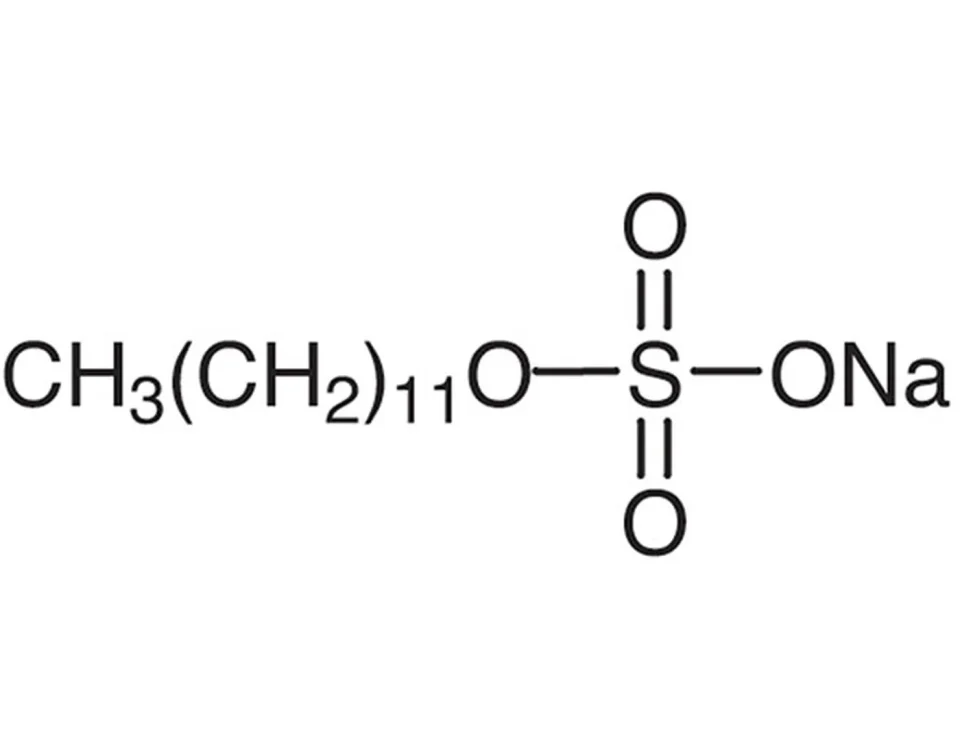
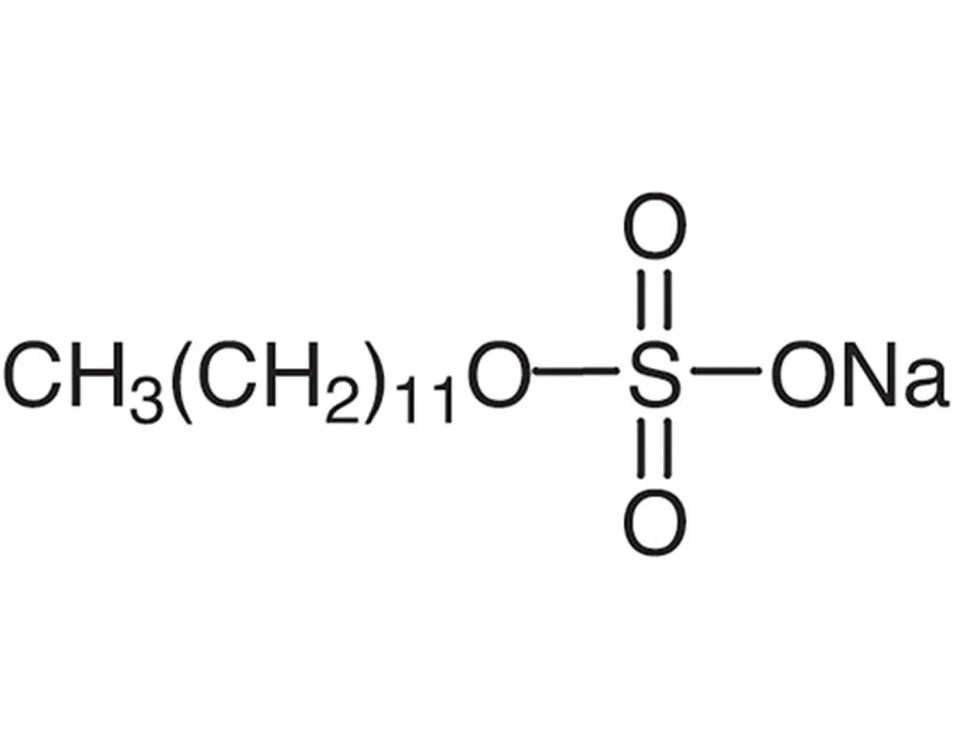
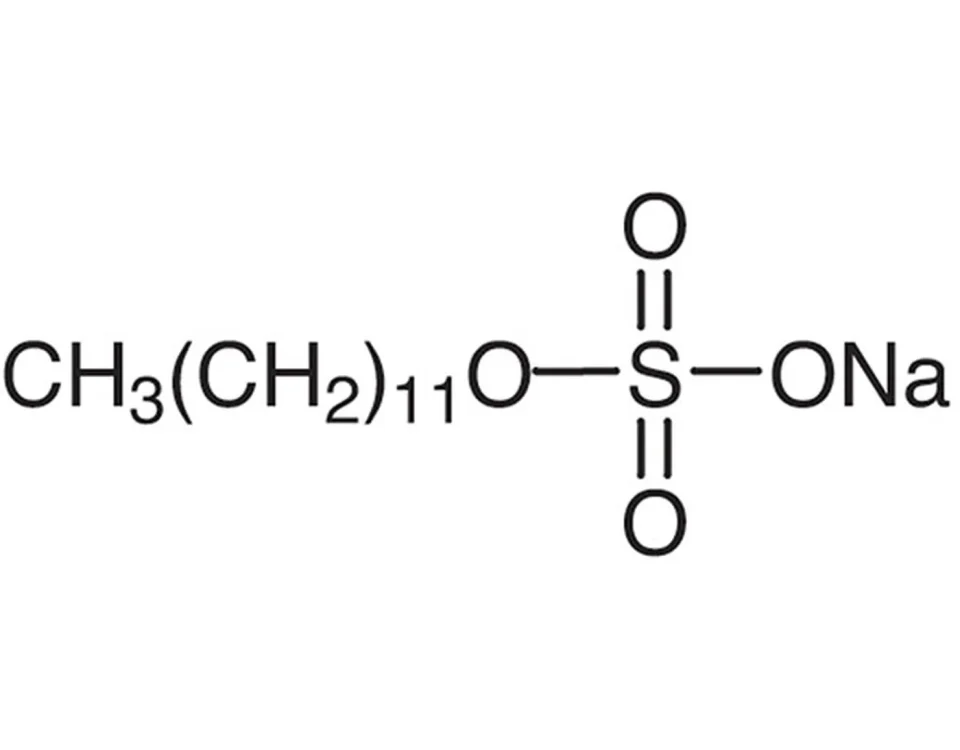
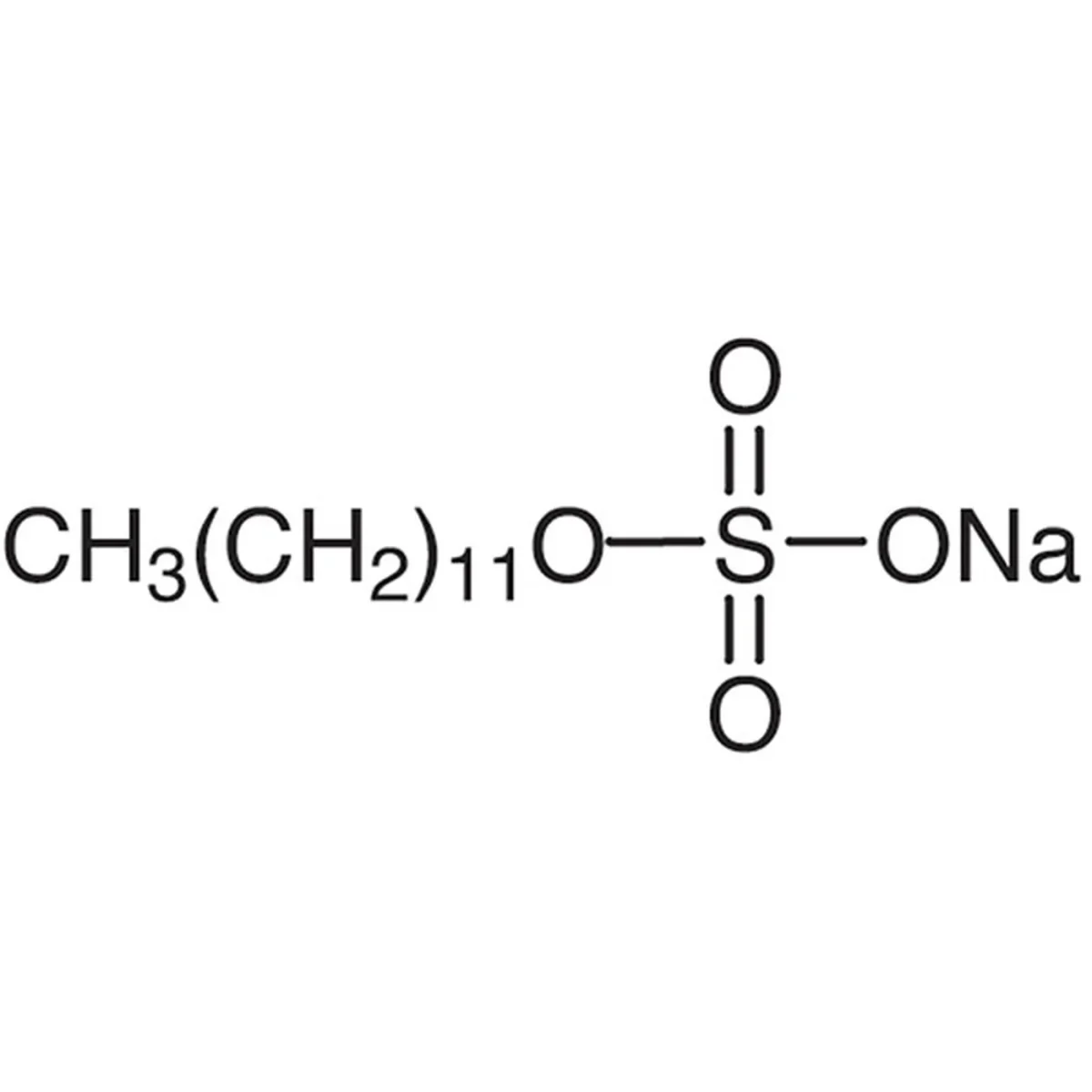
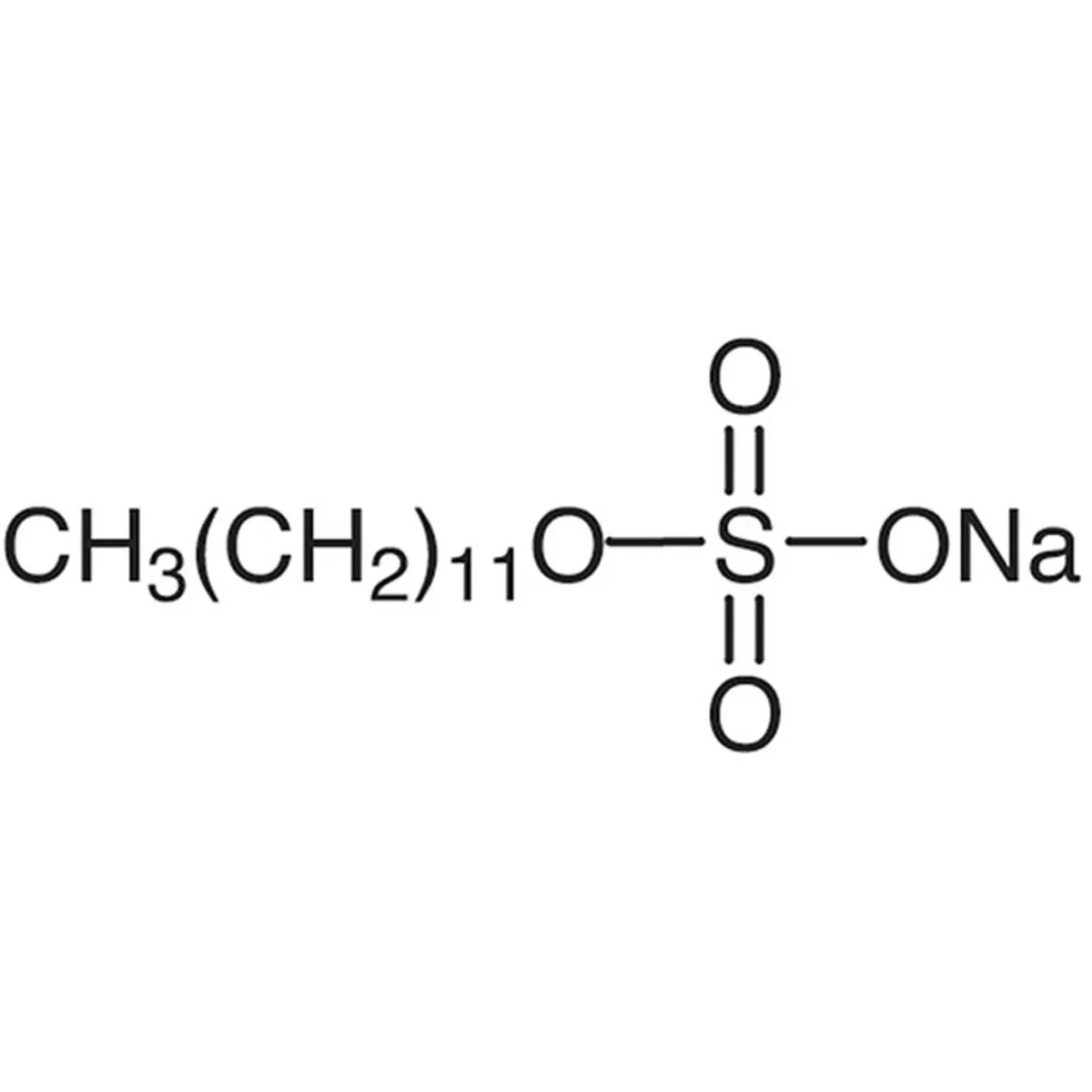
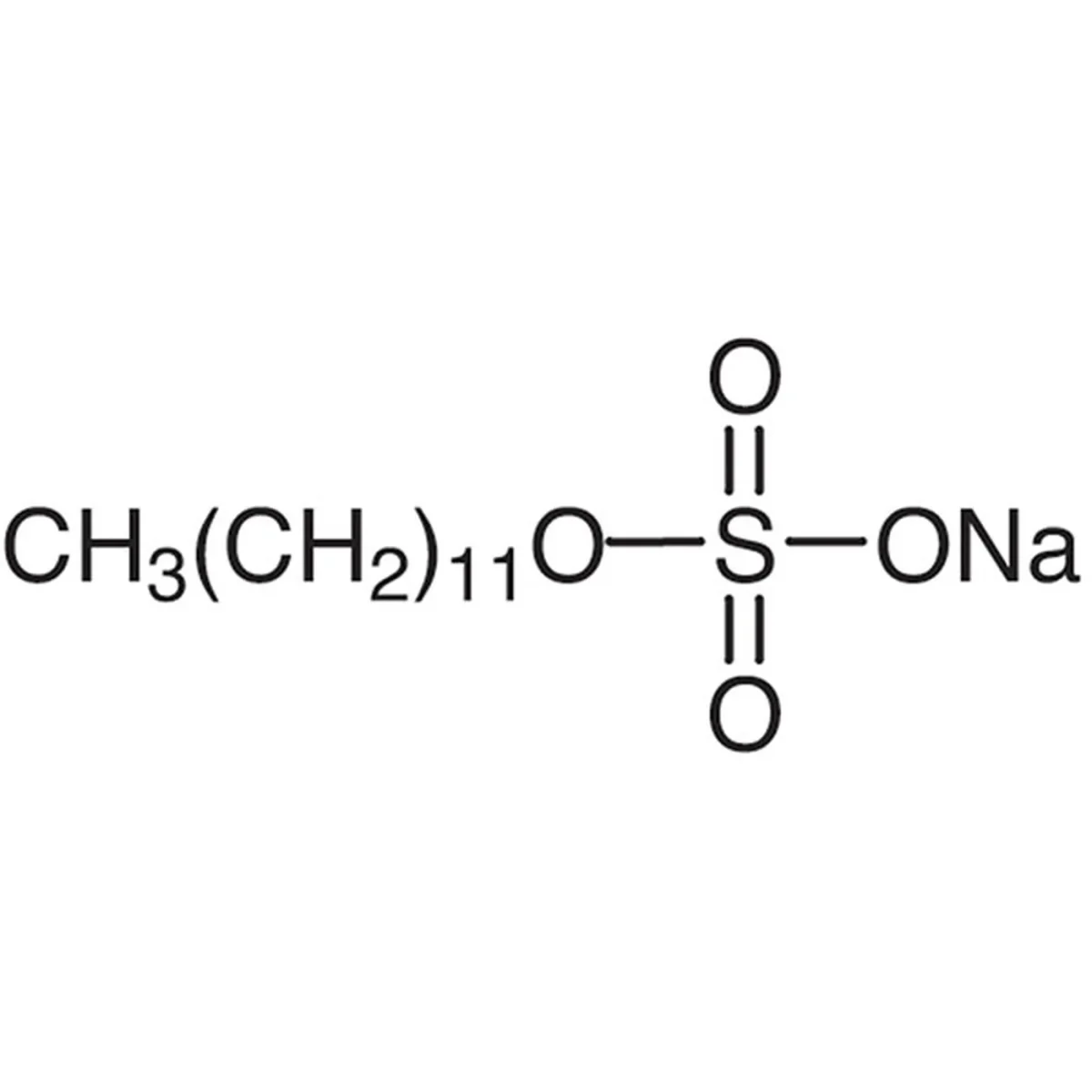
| CAS / substance | 151-21-3, sodium dodecyl sulfate |
| Role in sample preparation | Detergent in lysis buffers; no diagnostic claim |
| Reagent grades (illustrative) | 97-99% |
| Buffer concentration (illustrative) | 0.1-1% |
| Documents | COA, TDS and MSDS on request |
For reagent-grade supply, state the grade and pack size when you request the COA/MSDS or request a sample from contact our team.
Short answer: In HPV-related laboratory workflows, sodium dodecyl sulfate appears as a detergent in sample preparation and lysis buffers, not as a diagnostic or therapeutic agent. It disrupts lipid membranes and denatures proteins so nucleic acid can be recovered. CAS 151-21-3, C12H25NaO4S. ORID Chem supplies 97-99% reagent grades with a lot COA. This page makes no clinical performance claim.
Key takeaways
- SDS in this context is a lysis detergent used in sample preparation, not a diagnostic agent.
- No clinical performance, diagnostic accuracy or treatment claim is made here.
- CAS 151-21-3, C12H25NaO4S, is the same substance sold for detergent and reagent use.
- Reagent work normally calls for 97-99% grades with a lot COA.
- Follow the test manufacturer’s validated protocol for concentrations and handling.
What this page covers and what it does not
This page is about the reagent, not about testing outcomes. It describes why an anionic detergent appears in the sample preparation step of some molecular workflows and what a buyer should check when specifying a grade. It makes no claim about diagnostic accuracy, clinical sensitivity, treatment or any medical use. Questions about assay performance belong with the test manufacturer and the laboratory’s own validation.
Why a detergent appears in sample preparation
A lysis buffer has to break open cells and release nucleic acid while keeping the downstream extraction workable. Sodium dodecyl sulfate, CAS 151-21-3, disrupts lipid membranes and denatures proteins. That is the same interfacial chemistry used in protein electrophoresis, applied at a different step. The detergent is one component among several; buffer salts, chelators and enzymes do the rest.
Lysis buffer components and typical concentrations
The figures below are illustrative working ranges drawn from general laboratory practice, not a protocol and not a validated formulation. Follow the test manufacturer’s instructions and your laboratory’s validated method for any diagnostic workflow.
| Component | Illustrative range | Role in the buffer |
|---|---|---|
| Sodium dodecyl sulfate | 0.1-1% w/v | Membrane disruption, protein denaturation |
| Buffer salt | 10-100 mM | Holds pH in the working range |
| Chelator | 1-10 mM | Binds divalent cations |
| Protease | Method dependent | Digests protein contaminants |
| Nuclease-free water | Balance | Carrier |
Grade purity considerations for molecular workflows
Reagent buyers usually start at SDS 99% or SDS 97% because extra inorganic salt, unsulfated matter and moisture shift conductivity and reproducibility. Ask for the lot COA and check the assay method. SLS 92% powder is a detergent-plant grade and is not normally chosen for this work. Our COA reading guide explains where the assay number comes from.
Handling and documentation for laboratory buyers
Fine reagent powder is dusty, so weigh it with local extraction and keep the container sealed. Request the TDS, lot COA and current safety sheet with the order, and record the lot number in the buffer preparation log. Buyers in India, Pakistan, Iran, Russia and Southeast Asia should also confirm the packing and lead time before scheduling a validation run.
Questions to ask before specifying a grade
Does your validated method name a purity or a CAS number? Which assay method does the supplier use for active matter? Is a lot-specific COA available before the order ships? Can the supplier keep the same grade across repeat orders? Contact our team with those four answers and we will confirm which grade fits. Our FAQ on SLS safety covers general handling questions, not clinical use.
For adjacent products see SLS 30% solution, SLS 93% powder, SLS 94% powder.
Frequently asked questions
Is sodium dodecyl sulfate a treatment for HPV?
No. It is a laboratory detergent used in sample preparation. This page makes no therapeutic claim and does not discuss treatment.
Does this page describe a validated HPV test protocol?
No. The concentration ranges shown are illustrative general laboratory values. Use the test manufacturer’s instructions and your own validated method.
Why specify a 99% reagent grade instead of a detergent grade?
Salt, moisture and unsulfated matter affect reproducibility. Check the lot COA and the assay method before qualifying a grade for a molecular workflow.
Which CAS number should appear on the reagent bottle?
151-21-3 for sodium dodecyl sulfate. A different number means a different substance, such as the lithium salt or an ethoxylated sulfate.
Can ORID Chem supply a lot COA before a validation run?
Yes. Ask for the TDS, lot COA and current safety sheet with the enquiry, and record the lot number in your preparation log.
Request a quote or a sample
Request a quote with the grade, lot COA requirement and destination port for current bulk pricing, MOQ and lead time. Request a sample for method qualification and request the COA/MSDS before the validation run.
Written and reviewed by the ORID Chem technical team. Last updated: 16 November 2026. Figures marked illustrative are working values, not quotations. Confirm current specifications on the product TDS and lot COA before ordering.