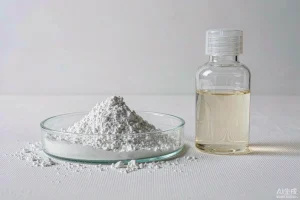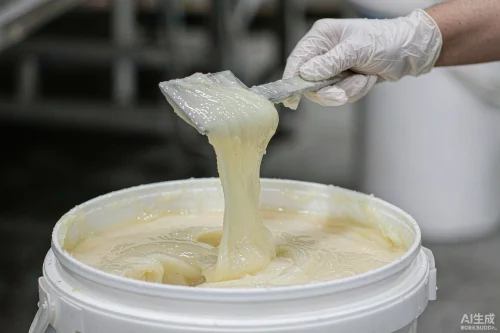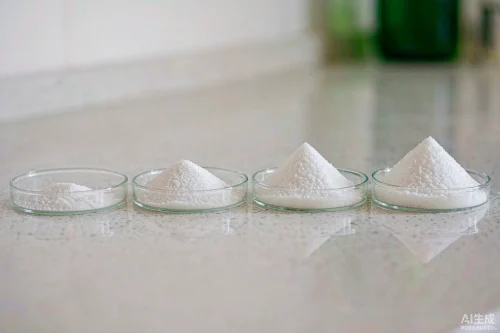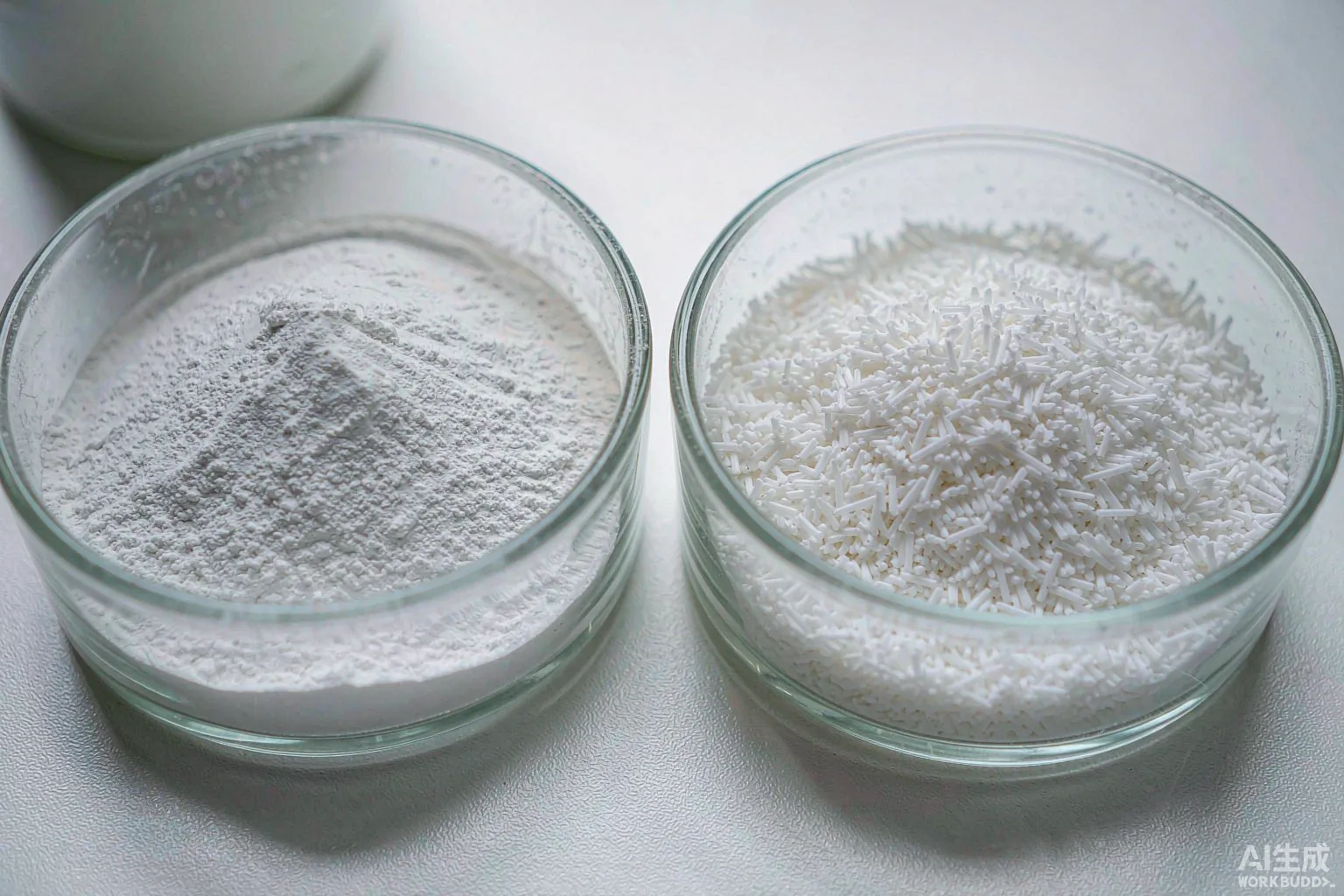
Sodium lauryl sulfate (SLS, also known as K12 or SDS) is one molecule — but it reaches your factory in two main physical forms: powder and needles. Buyers regularly ask us which one they should order. The honest answer: the chemistry is identical, so the choice is really about your equipment, your formula, and your working environment.
This guide compares the two forms on the points that actually matter on a production line.
Same chemistry, different physical form
Both forms share the same molecular structure (CH3(CH2)10CH2OSO3Na, CAS 151-21-3) and similar active matter content, typically 92–95%. The difference comes from the finishing process:
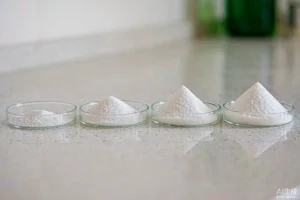
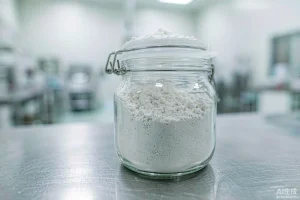
- SLS powder is usually spray-dried. The result is a fine, lightweight particle with a large surface area.
- SLS needles are crystallized into dense, elongated granules with a smooth surface.
Everything else — foaming, detergency, emulsifying — depends on active content and purity, not on the shape of the particle.
Needles vs powder: side-by-side comparison
| Factor | SLS Powder | SLS Needles |
|---|---|---|
| Dust during handling | High — needs extraction and PPE | Very low |
| Dissolution behavior | Wets fast but can form gel-skin clumps ("fish eyes") | Disperses cleanly, needs agitation and preferably warm water (30–40 °C) |
| Flow and dosing | Can bridge or cake in hoppers | Free-flowing, suits automated feeding |
| Moisture pickup / caking | More hygroscopic, cakes faster in humid storage | More resistant to caking |
| Dry blending with other powders | Excellent — mixes evenly | Possible, but check blend uniformity |
| Typical active matter | 92–95% | 92–95% |
When powder is the better choice
- Dry-mix products. Laundry powders, cleaning powders and tablets blend most uniformly when the surfactant itself is a powder of similar particle size.
- Small-batch and lab work. Powder wets out quickly, which is convenient when making up solutions by hand at small scale.
- Fast turnaround batches. If your tank time is short and you have good high-shear mixing, powder can dissolve quickly — just dose it slowly into moving water to avoid fish eyes.
Our powder grades: SLS 92%, SLS 93% and SLS 94%.
When needles are the better choice
- Large-scale liquid production. Shampoo, body wash and liquid detergent plants value needles for clean, low-dust charging into mixing vessels.
- Dust-sensitive workshops. Fine SLS dust is a respiratory irritant. Switching to needles removes most airborne dust at the source and reduces housekeeping and material loss.
- Automated dosing. Needles flow predictably through screw feeders and hoppers without bridging.
- Humid climates and long storage. The denser crystal form picks up less moisture, so bags stay free-flowing longer.
Needles dissolve best if you charge the water first, start agitation, then add the needles gradually. Warm water at 30–40 °C shortens dissolution time significantly. For specialty applications we also supply colored SLS needles used as visual markers in detergent and cleaning products.
A note on total cost, not just price per ton
Needles sometimes carry a small premium over powder. Before comparing quotes, count the full picture: dust-related material loss (some manufacturers report 3–5% with powder), extra PPE and extraction, clogged feeders, and rejected batches from undissolved clumps. In many plants the form that costs slightly more per ton costs less per finished batch.
Still not sure?
Tell us your product type, batch size and mixing setup, and we will recommend a form and grade — with samples, COA, TDS and SDS so you can validate on your own line before committing. Contact our technical team.
References
- GB/T 15963 Sodium Lauryl Sulfate — product standard covering powder and needle forms
- Industry handling and dissolution guidance from SLS producers and formulators, 2025–2026