| Item | Value |
|---|---|
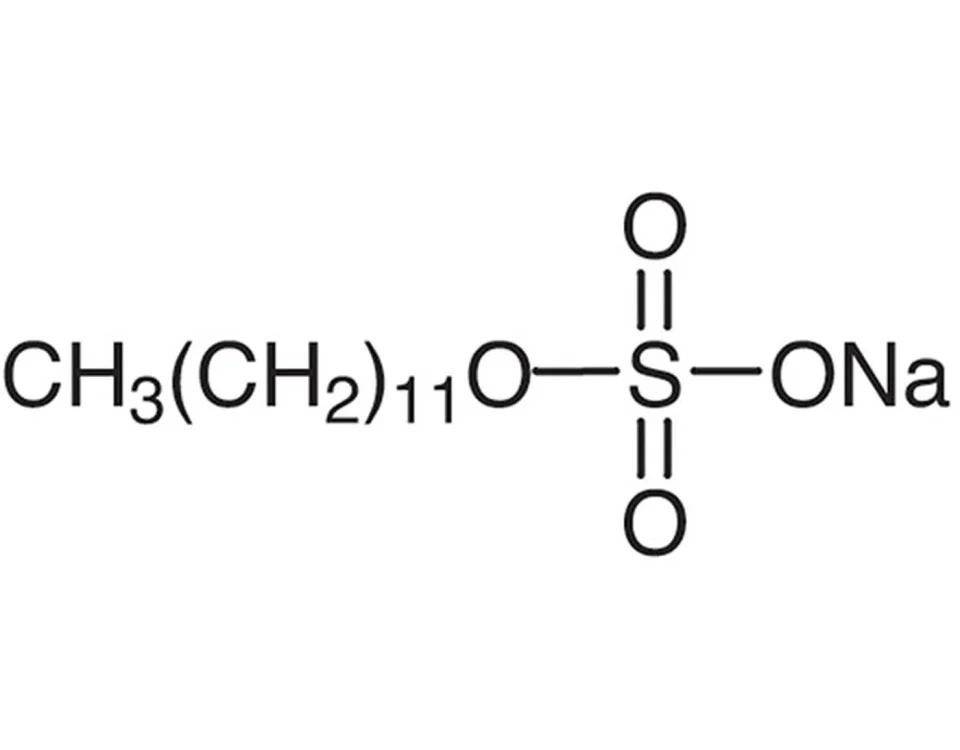
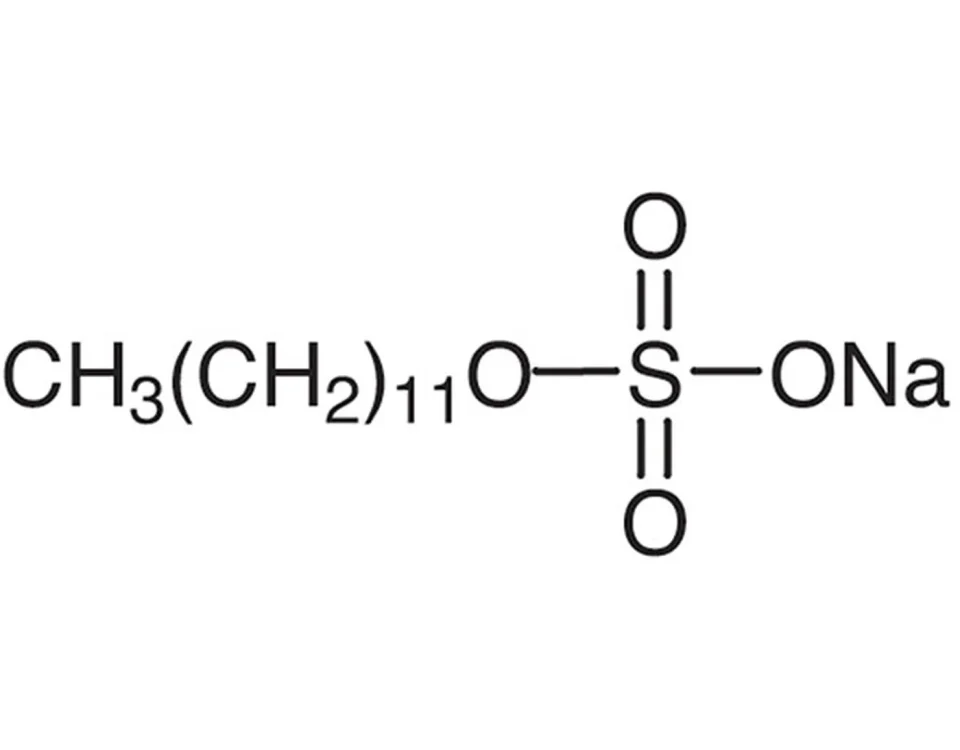
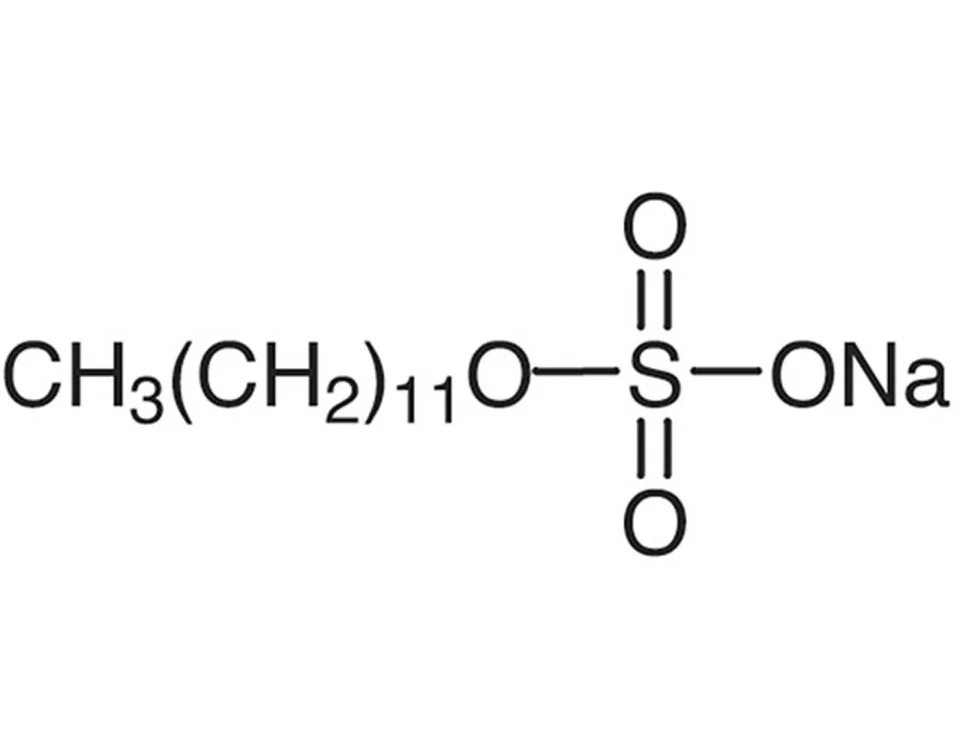
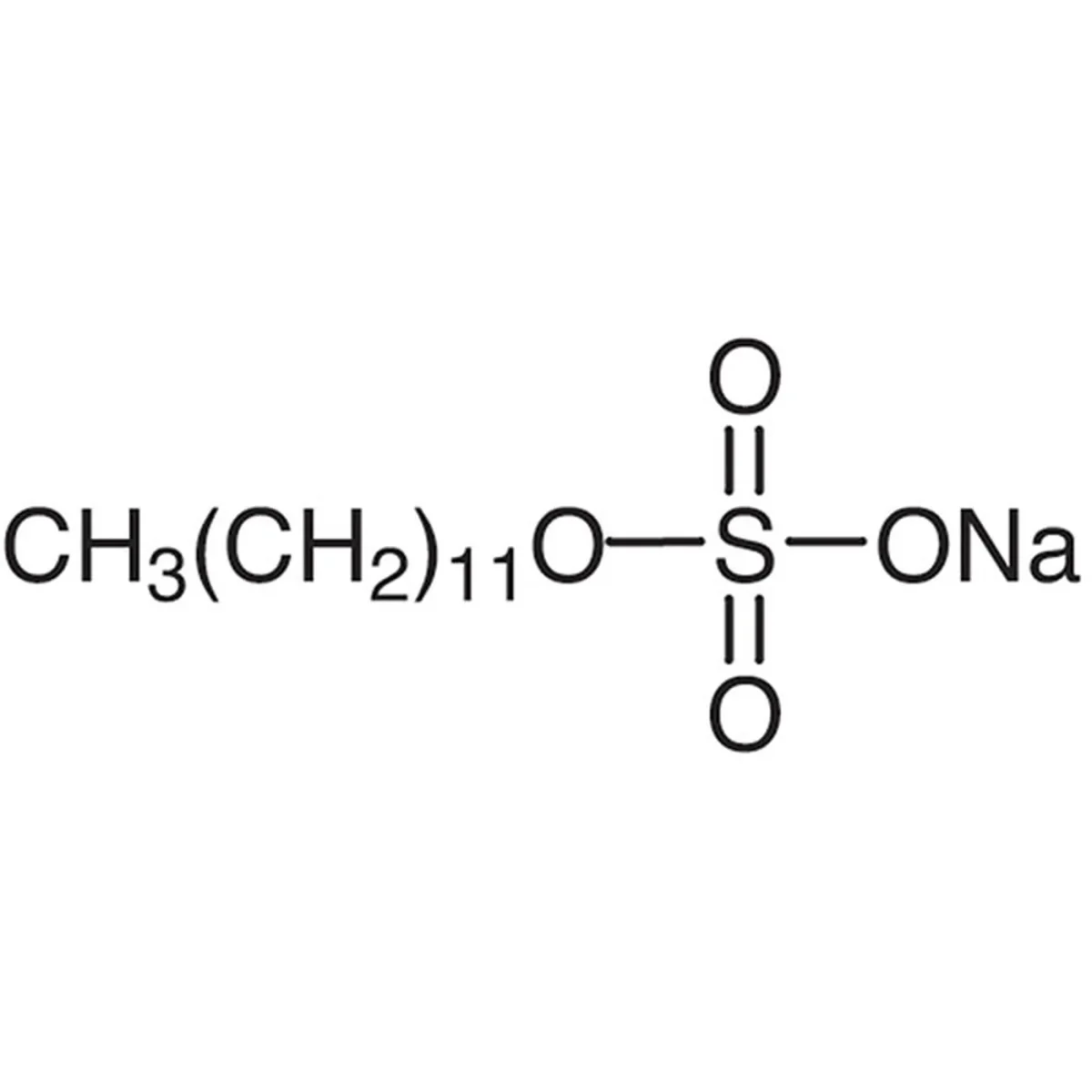
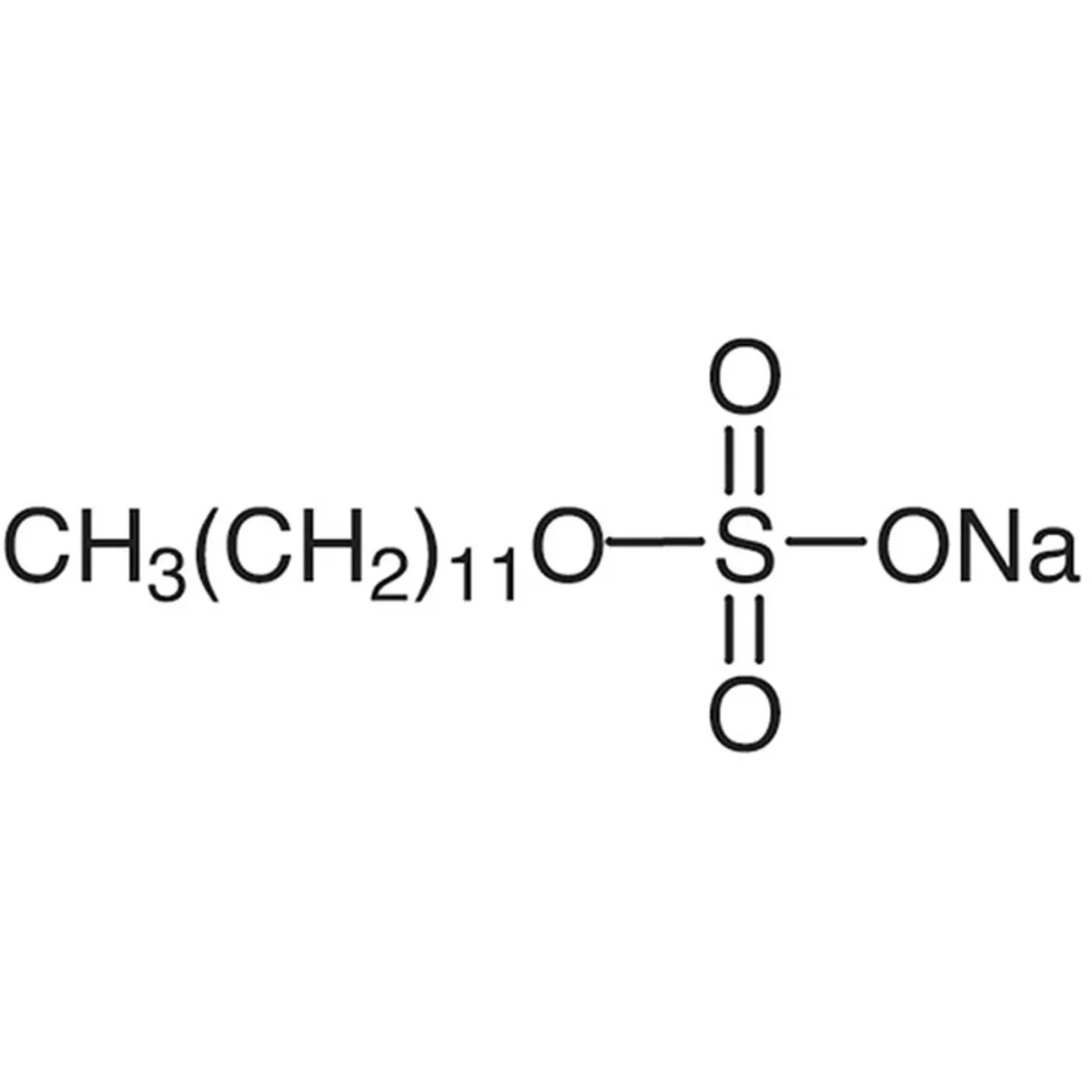
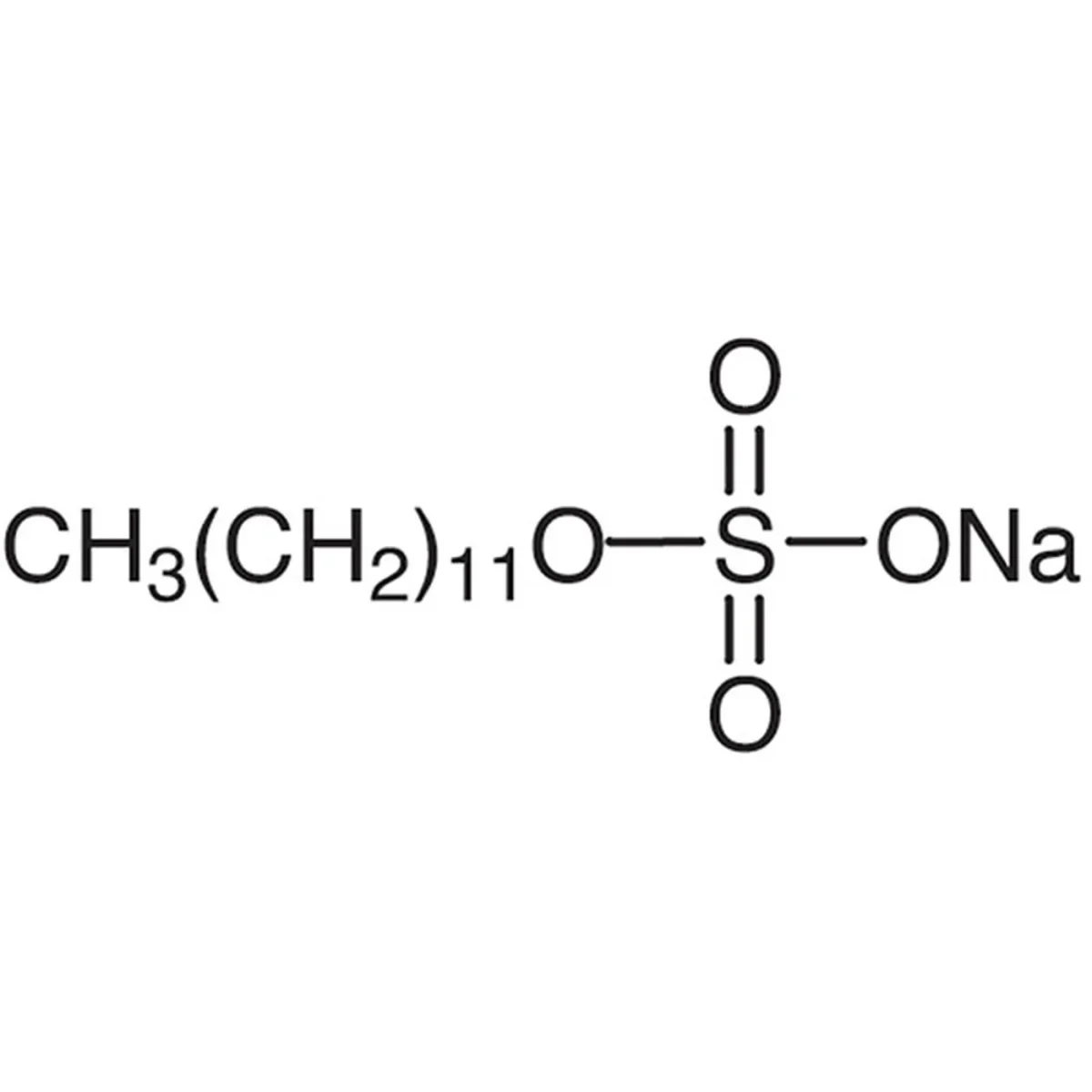
| Substance | CAS 151-21-3, sodium lauryl sulfate |
| Document format | 16-section Safety Data Sheet |
| Naming on purchase orders | MSDS or SDS, same document |
| Grades (illustrative) | 92-95% powder, reagent 97-99% |
| Documents supplied | Current safety data, COA and TDS |
Need the current revision for a shipment? Request the COA/MSDS or request a quote from contact our team with the grade code.
Short answer: MSDS is the older name for the document now usually titled Safety Data Sheet. For CAS 151-21-3 it describes the hazards of sodium lauryl sulfate in a sixteen-section layout. What matters at goods receipt is the revision date and the grade named on the sheet, not the label MSDS or SDS. ORID Chem issues the current issue per shipment.
Key takeaways
- MSDS and Safety Data Sheet are old and new names for the same hazard document.
- Check the revision date, document code and grade named on the sheet.
- Section 3 should cite CAS 151-21-3 and C12H25NaO4S.
- Powder and liquid grades require separate documents.
- Assay and pH come from the TDS and lot COA, not the safety sheet.
Why MSDS is still written on purchase orders
Plant document templates change slowly. A warehouse that specified MSDS for a decade keeps printing it on the purchase order, while suppliers now issue a Safety Data Sheet under the harmonised sixteen-section format. Both names refer to the same kind of hazard document. Rejecting a PDF purely because the header says SDS creates an avoidable delay.
Reading the revision date and document code
Look for an issue date, a revision number and the supplier name near the header or in Section 16. Compare those fields with the version your consignee has on file. A document without a date is hard to defend in an audit. Ask for the current issue with the order rather than reusing a PDF from a previous year.
Sixteen sections, one format, several layouts
Section order is standard, layout is not. Some sheets put physical data in a dense table, others use short paragraphs. The table maps the sections that receiving teams query most often for a powder grade.
| Section | Title | Question it answers |
|---|---|---|
| 1 | Identification | Which product and supplier |
| 3 | Composition | Is CAS 151-21-3 the substance |
| 8 | Exposure controls | What PPE at the hopper |
| 9 | Physical properties | Bulk density, solubility, form |
| 13 | Disposal | How to handle empty bags |
| 16 | Other information | Revision date and disclaimers |
Checking a received PDF is the current issue
Three checks take a minute. Does it name the grade on the invoice? Does it show a recent revision date? Does Section 3 cite 151-21-3 and C12H25NaO4S? If the answer to any of them is no, request a replacement before the container is unloaded. SLS 92% powder and SLS 30% solution need separate sheets.
Language versions and destination requirements
Import destinations differ on whether a local-language version must accompany the shipment. Buyers in Iran, Russia and Southeast Asia often need one for the consignee’s safety file. Translation takes time, so include the language in the first enquiry. Our team supplies the source document and can confirm which versions are available for the ordered grade.
Where safety data stops and quality data begins
A safety sheet will not tell you the assay of the lot, the 1% solution pH or the unsulfated matter. Those belong to the TDS and lot COA. The worked COA example shows how assay figures are produced and why the safety document cannot substitute for them. SDS 97% and SDS 99% have their own COA limits.
Buyers comparing this entry often review SLS 93% powder. Our liquid versus powder freight comparison covers the application side.
Frequently asked questions
Is an MSDS legally different from a Safety Data Sheet?
The terminology changed with the harmonised sixteen-section format. What matters for your file is that the document is current, names the grade and covers all sections.
How often is the document revised?
There is no fixed interval for every supplier. Ask for the current issue with each order and compare the revision date with your existing copy.
Can one sheet cover all SLS grades?
Usually not. Physical form changes the handling advice. Ask for the sheet that names the grade on your invoice, whether powder or 30% liquid.
What belongs in Section 3 for this substance?
The substance name, CAS 151-21-3 and the formula C12H25NaO4S, plus any components relevant to the classification. Use it to confirm the sheet matches the goods.
Do I need a translated version at the destination?
It depends on local rules and the consignee’s safety file. Raise the requirement at enquiry stage so the correct version ships with the documents.
Request a quote or a sample
Request the COA/MSDS with the grade and destination market so we can confirm the current revision. Request a quote for bulk pricing, MOQ and lead time, and contact our team about a translated safety document or a pre-shipment sample.
Written and reviewed by the ORID Chem technical team. Last updated: 16 November 2026. Figures marked illustrative are working values, not quotations. Confirm current specifications on the product TDS and lot COA before ordering.