Sodium laureth sulfate 70% — SLES 70, AES, or Texapon-type paste — is the highest-volume surfactant in personal care and one of the most traded liquid detergent raw materials in the world. It is also a product where small specification differences decide whether your shampoo line runs smoothly or fights viscosity and clarity problems all year. This guide covers what to check before you sign a supply contract.
What SLES 70% actually is
SLES is made by ethoxylating lauryl alcohol (to an average of about 2 ethylene oxide units in the standard grade), then sulfating and neutralizing. The result is an anionic surfactant that is milder than SLS, produces the dense creamy foam consumers associate with quality shampoo, and thickens predictably with salt. The "70%" is the active matter content; the rest is mostly water with a small amount of unsulfated matter and salts. A 28% liquid grade also exists for buyers who prefer easier pumping over freight efficiency.
Specifications to lock down in your purchase agreement
| Specification | What to require | Why |
|---|---|---|
| Active matter | 70% ± stated tolerance | Your dosing and cost per active kilogram depend on it |
| 1,4-dioxane | A stated maximum limit with test data | Ethoxylation byproduct; regulated and reputation-sensitive in personal care |
| Unsulfated matter | Low single digits max | Affects odor, clarity and mildness |
| Inorganic salts (Na2SO4) | Stated limit | Changes salt-thickening behavior in your formula |
| pH (as is or 10% solution) | Neutral to mildly alkaline range | Formula compatibility |
| Color and appearance | Clear to slightly yellow viscous paste | Off-color paste signals aging or contamination |
The 1,4-dioxane question
Because SLES is ethoxylated, trace 1,4-dioxane can form during production. Reputable manufacturers control it through vacuum stripping and verify it by testing — this is standard practice across the industry, and regulators in several markets set explicit limits for finished cosmetic products. As a buyer you do not need to fear SLES; you need to ask for the number. Any professional supplier will state a maximum 1,4-dioxane level on the specification and back it with batch data. If a supplier cannot answer the question, that is your answer about the supplier.
Packaging and logistics: drums vs IBC
- 170 kg plastic drums are the industry standard. A 20-foot container holds about 118 drums — roughly 20 metric tons.
- 1,050 kg IBCs cut unit packaging cost and handling time but require a forklift and IBC-compatible unloading at your plant.
- ISO tanks make sense only for very large, regular volumes.
Remember that at 70% active you are shipping 30% water. On long routes, compare the delivered cost per kilogram of active matter against higher-active alternatives before assuming the paste is the cheapest option.
Handling notes from production floors
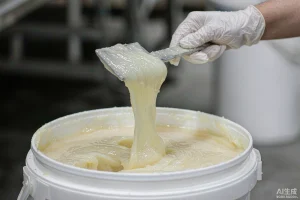
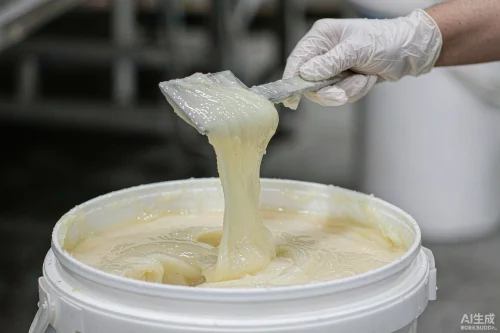
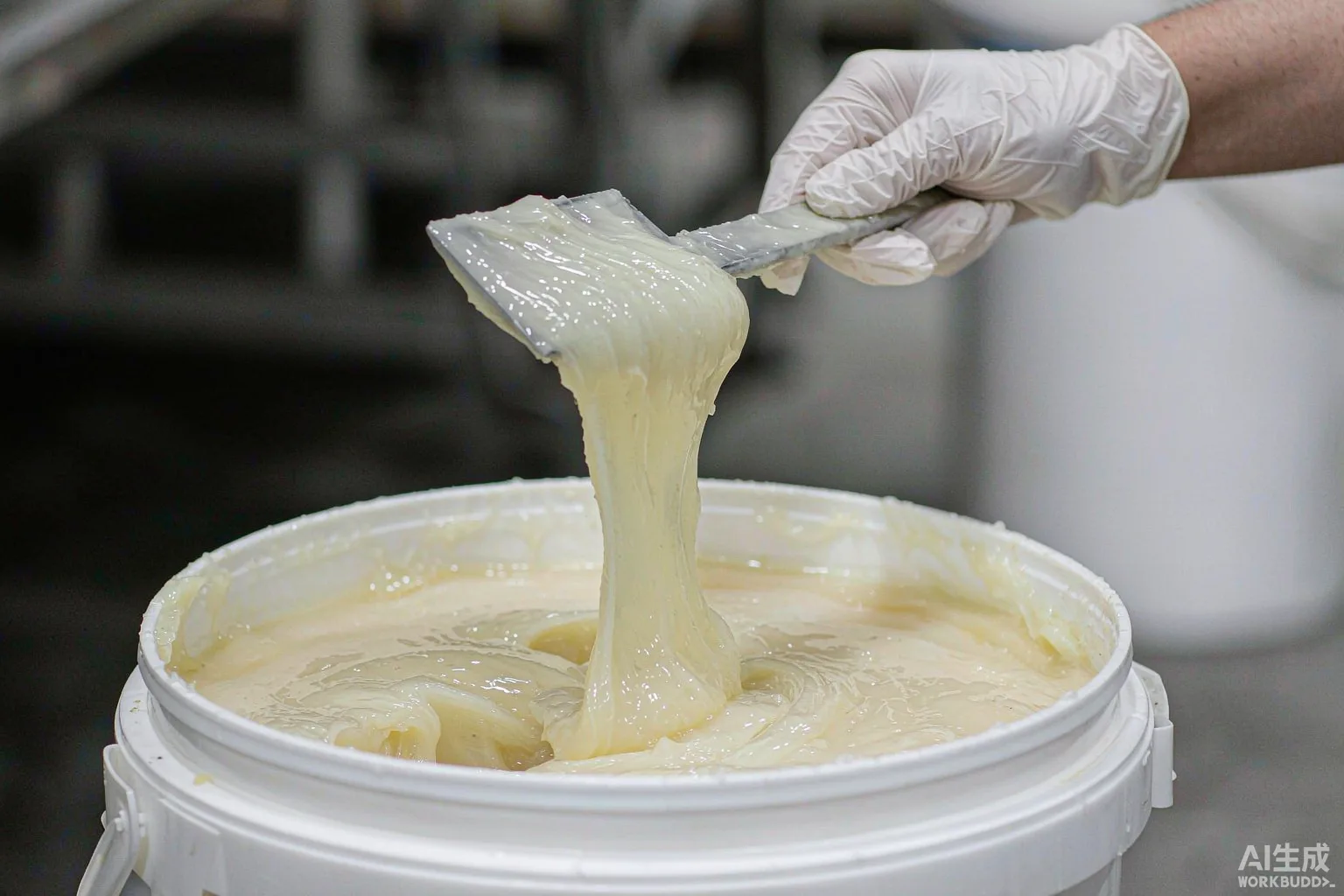
- SLES 70% is a gel-like paste at room temperature. Dilute by adding the paste slowly to water with gentle agitation — dumping water onto the paste creates stubborn gel lumps.
- Avoid prolonged storage at high temperature, which can shift pH and color.
- Pairing SLES with cocamidopropyl betaine (CAPB) in personal care formulas improves mildness and foam stability — the industry-standard combination.
SLES or SLS for your product?
Shampoo, body wash and hand soap almost always run better on SLES; toothpaste, dry detergents and heavy-duty cleaners favor SLS. For a detailed comparison see our article SLS vs SLES: differences, applications and how to choose.
Our offer
We supply Sodium Lauryl Ether Sulfate (SLES) with controlled 1,4-dioxane levels, batch COA, TDS and SDS, in export-standard drum packaging. Send us your volume and destination port for a quotation with a stated validity window.
References
- Cosmetic Ingredient Review (CIR) safety assessment of Sodium Laureth Sulfate
- Published SLES market price assessments and packaging standards, 2026
- Regulatory guidance on 1,4-dioxane limits in cosmetic products