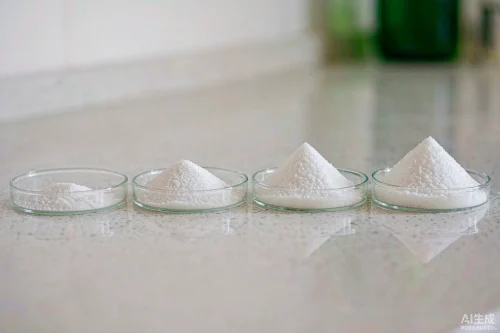
Alpha olefin sulfonate — usually listed as AOS or sodium C14-16 olefin sulfonate (CAS 68439-57-6) — has moved from a niche surfactant to a mainstream choice for detergent and personal care formulators. It foams well, cleans well, keeps working in hard water, and is readily biodegradable. Market researchers now value the AOS market in the billions of dollars with mid-single-digit annual growth, driven by exactly those properties.
But "AOS" on a purchase order is not specific enough. The four commercial grades behave differently, and picking the wrong one creates production problems. This guide explains the range and how to choose.
What AOS is, in one paragraph
AOS is an anionic surfactant made by sulfonating linear alpha-olefins (typically C14–C16) and neutralizing the product. Chemically it is a sulfonate, not a sulfate ester like SLS — the carbon–sulfur bond makes it more resistant to hydrolysis across a wider pH range. Commercial AOS is a blend of alkene sulfonates and hydroxyalkane sulfonates, which together give it strong detergency, fast flash foam and excellent stability in hard water.
The four grades and where each fits
| Grade | Form | Active matter | Best-fit applications |
|---|---|---|---|
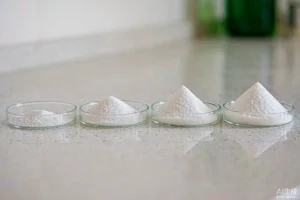
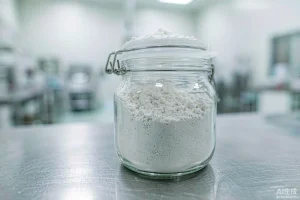
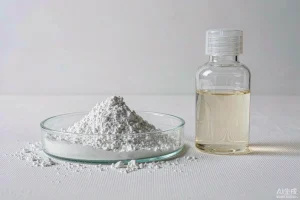
| AOS 92% | White powder | ≥ 92% | Laundry powders, detergent tablets, dry cleaning blends, solid formats |
| AOS 95% | White powder | ≥ 95% | High-active dry formulations where every percent of filler counts |
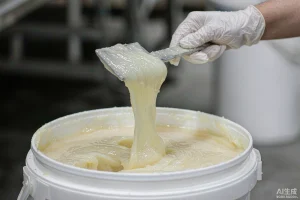
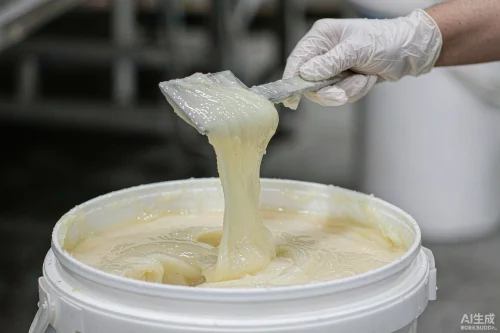
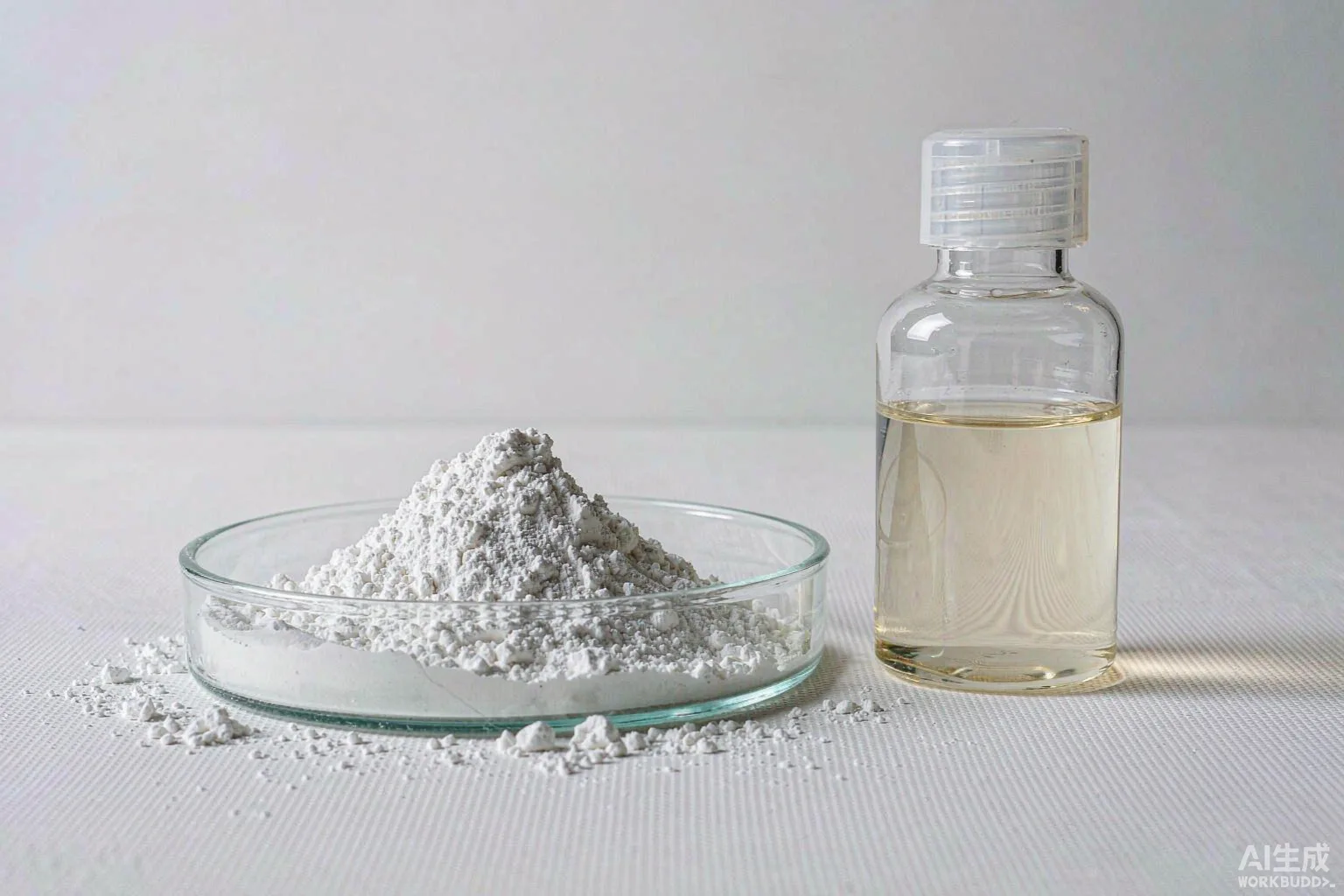
| AOS 35% | Liquid | ≈ 35% | Dishwashing liquids, hand soaps, shampoos, liquid detergents |
| AOS 38% | Liquid | ≈ 38% | Higher-solids liquid formulas, concentrated cleaners |
Powder or liquid: how to decide
Choose powder (92% / 95%) when your product is dry or your process is built around dry raw materials: laundry powder, detergent tablets, scouring powders, and concentrated blends. Powder grades also make sense for long-distance shipping — you are not paying freight on water. Between the two, AOS 95% buys you a higher active content per bag; AOS 92% is usually the better value when the formulation tolerates a few percent more inorganic salts.
Choose liquid (35% / 38%) when you run a liquid line and want to skip dissolution entirely. AOS liquid pumps and meters directly into the mixing tank, which shortens batch time and removes dust from the workshop. The trade-off is freight: at 35–38% active, roughly two-thirds of every drum is water, so liquid grades make most economic sense within reasonable shipping distance.
Why formulators pick AOS over other anionics
- Hard-water performance. AOS keeps foaming and cleaning in mineral-rich water where sulfate esters lose efficiency. For export products sold into regions with unpredictable water quality, this alone often justifies the switch.
- Hydrolysis stability. The sulfonate bond tolerates acidic and alkaline systems better than sulfate esters, which matters in low-pH cleaners and high-alkalinity powder detergents.
- Biodegradability. AOS is readily biodegradable, supporting eco-label and detergent-regulation compliance in the EU and North America.
- Cost position. AOS typically prices between SLS and premium mild surfactants, making it a practical upgrade path for "sulfate-conscious" positioning without the full cost of specialty surfactants.
Formulation notes buyers should know
- AOS produces a fast, flash-type foam that breaks more quickly than SLES foam. In personal care, pair it with cocamidopropyl betaine (CAPB) or a small SLES fraction for a creamier lather.
- It is not a universal one-to-one replacement for SLS. Expect to re-balance active level, electrolytes and thickeners when reformulating.
- In dishwashing liquids, AOS delivers fast foam under greasy soil load — a key reason the 35% and 38% grades are staples in hand-dish formulas.
What to check on the COA
Active matter, unsulfonated oil content, inorganic salts, color (Klett or Hazen), pH of a 1% solution, and moisture for powder grades. As with any surfactant, compare offers on cost per kilogram of active matter, not per kilogram of product.
Our AOS range
We supply all four commercial grades — AOS 92%, AOS 95%, AOS 35% and AOS 38% — with batch COA, TDS and SDS. Tell us your application and we will recommend a grade and arrange samples.
References
- Future Market Insights: Alpha Olefin Sulfonates Market Outlook, 2025–2035
- QYResearch: Global Sodium Alpha-olefin Sulfonate Market Report, 2026–2032
- OECD 301 biodegradability test guidelines for surfactants