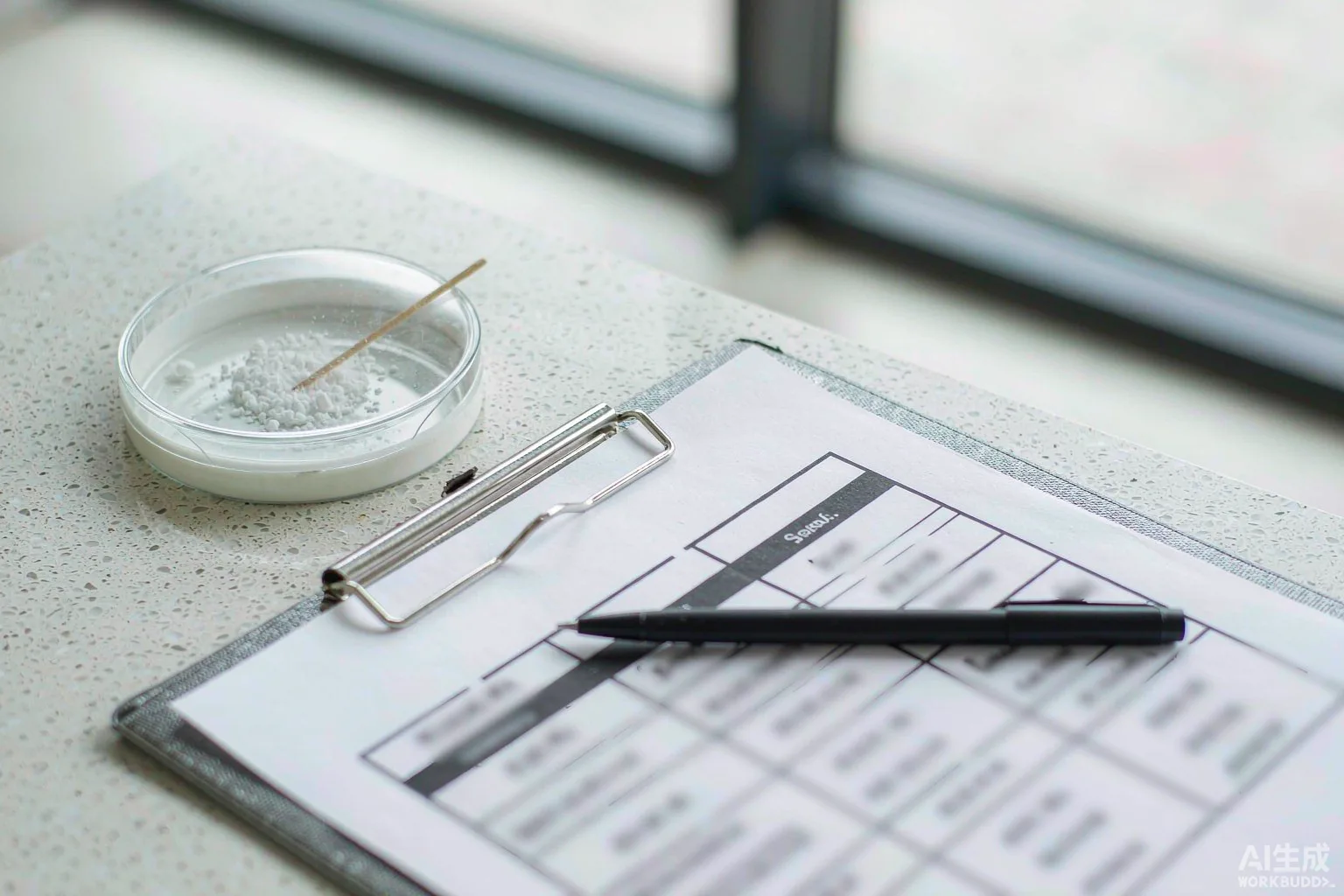
Every batch of sodium lauryl sulfate should travel with a certificate of analysis (COA). Most buyers file it without reading past the product name — and that is how off-spec material ends up in production. A COA takes two minutes to read properly once you know which eight lines matter. This guide walks through them.
1. Active matter
The headline number: how much of the product is real surfactant. Standard SLS grades run 92–95%. This figure sets your dosage in the formula and your true cost per unit of function, so compare every supplier offer on an active-matter basis. Test methods vary (two-phase titration is the common standard), so a serious COA states the method used.
2. Unsulfated alcohol (unsulfated matter)
Fatty alcohol that escaped sulfation. Typical limits run from about 1% in premium grades to 3–4% in general grades. High unsulfated alcohol shows up as odor, yellowing, and a harsher skin feel — and in toothpaste it can affect taste. If your product is personal care or oral care, watch this line first.
3. Inorganic salts: sodium sulfate + sodium chloride
Residual salts from neutralization. The pharmacopeial limit for the combined content is 8.0%, and good detergent grades run under 5%. In liquid formulations, salt content changes how the product thickens when you add electrolytes — a batch high in inorganic salts can hit your viscosity target early, then thin out again as you keep dosing (the well-known salt curve). Inconsistent salt content between batches is a common cause of "the formula worked last month" problems.
4. pH of a 1% solution
Normally specified around 7.5–9.5. An out-of-range pH points to poor neutralization control at the plant — excess alkalinity can irritate skin and destabilize pH-sensitive formulas, while low pH risks slow hydrolysis of the sulfate ester during storage.
5. Moisture
SLS is hygroscopic. Moisture above the specified limit (typically a few percent) means you are paying surfactant prices for water, and it accelerates caking in storage. High moisture in the COA of a powder grade is a red flag for packaging or warehouse conditions.
6. Color
Reported as Hazen/APHA or Klett units on a solution. Critical for white or clear finished products — toothpaste, clear shampoos, light-colored detergents. A rising color trend across batches often indicates aging feedstock or process drift.
7. Heavy metals / elemental impurities
Lead, arsenic, cadmium and mercury limits are mandatory for personal care, oral care and pharmaceutical use. Modern COAs reference ICH Q3D-based elemental impurity methods rather than the legacy sulfide precipitation test. For detergent-only material this line is less critical, but its presence tells you the supplier runs a real QC lab.
8. Microbiological limits
Total plate count and specified-pathogen tests matter for cosmetic and oral-care grades. Powders are low-risk but not zero-risk, especially if stored humid. If your finished product is a leave-on or oral-care product, do not accept a COA without micro data.
Three habits of buyers who never get burned
- Compare COAs across batches, not just against the spec. Tight batch-to-batch variation is worth more than a single impressive number.
- Match the COA to the lot number on the bags. A "typical values" sheet is a brochure, not a certificate.
- Keep the TDS and SDS with it. The technical data sheet defines the grade; the safety data sheet covers handling, dust control and storage. Together with the COA they form the complete documentation set.
Our documentation standard
Every batch of our SLS, high-purity SDS, AOS and SLES ships with a lot-specific COA, plus TDS and SDS. If you would like a sample COA before ordering, ask our team — we are happy to show you exactly what you will receive.
References
- USP–NF monograph: Sodium Lauryl Sulfate — test methods and acceptance criteria
- GB/T 15963 Sodium Lauryl Sulfate — specification and analytical methods
- ICH Q3D guideline on elemental impurities