Open any SLS supplier’s catalog and you will find a row of near-identical products: 92%, 93%, 94%, 95%. The prices differ by only a few percent, so buyers reasonably ask: does one or two points of active content really matter? The answer is — sometimes critically, sometimes not at all. Here is how to decide.
What the percentage actually measures
The number is the active matter content: the share of the product that is genuinely sodium alkyl sulfate. The remainder is mainly unsulfated fatty alcohol, inorganic salts (sodium sulfate and sodium chloride from production), and moisture. A 95% grade is not "3% better" than a 92% grade in some vague sense — it contains roughly 3% more functional surfactant per kilogram and, usually, a cleaner impurity profile, because higher-active grades go through tighter process control.
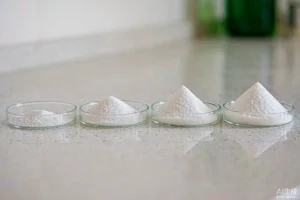
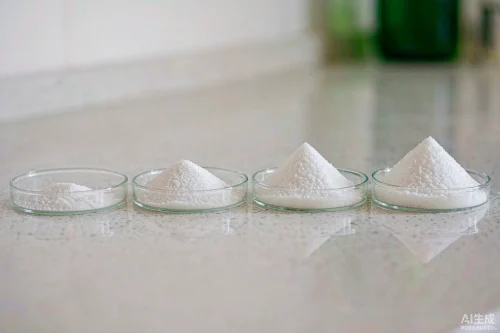
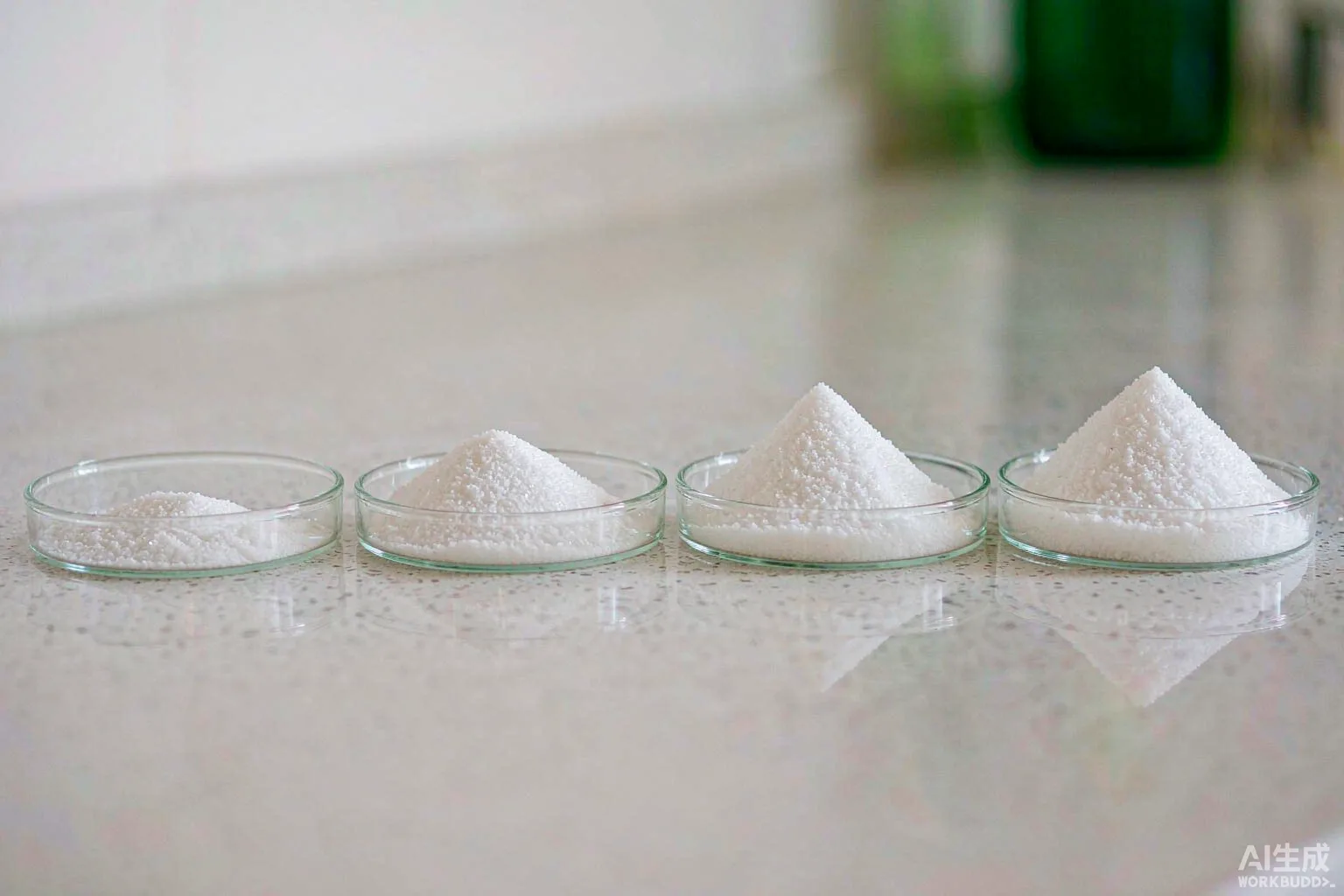
The grades side by side
| Grade | Typical profile | Best-fit uses |
|---|---|---|
| SLS 92% | Standard detergent grade, powder or needles | Laundry powder, industrial and institutional cleaners, cost-driven formulas |
| SLS 93% | General-purpose middle grade | Household cleaners, dishwashing, general detergent manufacturing |
| SLS 94% | Higher-active, tighter color and odor | Personal care bases, toothpaste feedstock, premium detergent lines |
| SLS 95% | Premium needle/powder, lowest impurities of the standard range | Toothpaste and high-end personal care where color, odor and mildness limits are tight |
Above this range sit the high-purity laboratory and pharmaceutical grades — SDS 97% and SDS 99% — which are different products for different industries.
When a higher grade pays for itself
- Toothpaste and oral care. Unsulfated alcohol affects taste and mildness; color affects the finished paste. Oral-care producers should buy the tightest grade available — this is not the place to save two percent.
- Personal care sold on sensory feel. Shampoo and body wash consumers notice odor and after-feel. Higher-active grades carry lower unsulfated alcohol, which shows up directly in fragrance cleanliness and mildness.
- Concentrated and solid formats. Detergent tablets and high-active powders have no room for filler salts. Every point of active content is formulation space you can use.
- Export products with strict specs. If your customer specifies impurity limits, the raw material grade determines whether you pass.
When the standard grade is the smart buy
For heavy-duty cleaning, industrial degreasing, and cost-sensitive powder detergents, SLS 92–93% delivers the same cleaning mechanism at the lowest cost per wash. The extra impurities are irrelevant in these applications — nobody smells the difference in a floor cleaner. Buying 95% material for an industrial degreaser is budget spent where nobody can measure the benefit.
Compare prices the right way
Always normalize quotations to cost per kilogram of active matter:
Cost per kg active = price per kg ÷ (active % ÷ 100)
A 92% grade at $1.50/kg costs $1.63 per kg of active surfactant; a 95% grade at $1.55/kg costs the same $1.63 — in which case the higher grade is effectively free. Run this calculation on every offer before deciding.
Not sure which grade your formula needs?
Send us your application and specification. We manufacture the full range from SLS 92% through premium 95% needles, and we will tell you honestly which grade your product actually needs — with samples and batch COA, TDS and SDS so you can verify. Contact our team.
References
- GB/T 15963 Sodium Lauryl Sulfate — graded product requirements and test methods
- QB/T 2900 oral-care standard for sodium lauryl sulfate used in toothpaste