| Item | Value |
|---|---|
| Registry number | 151-21-3, three groups 151 / 21 / 3 |
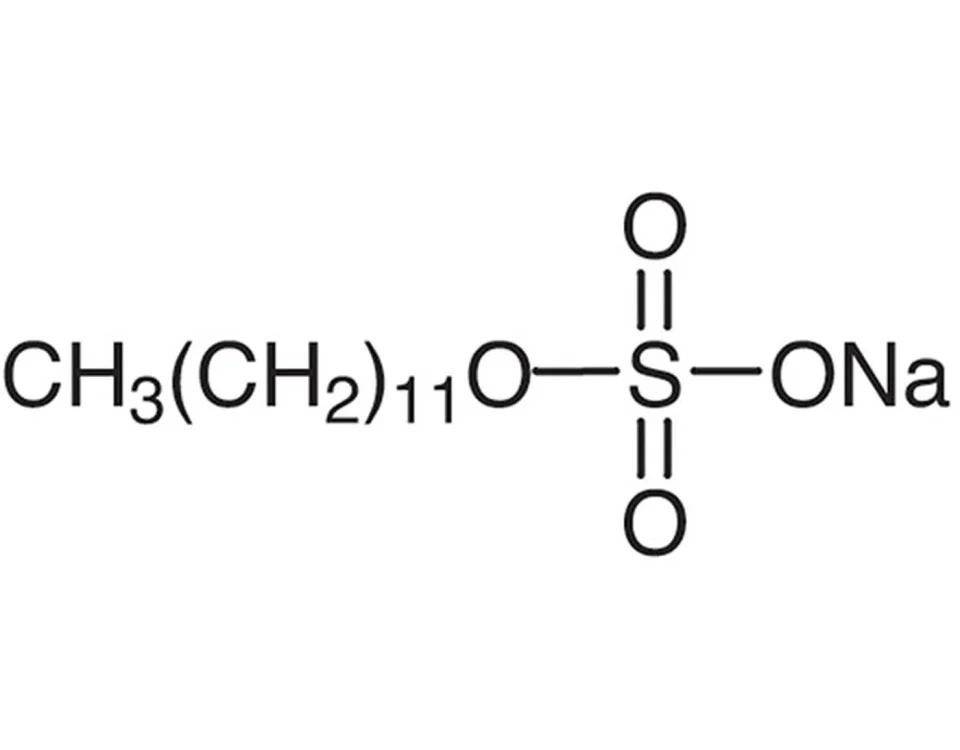
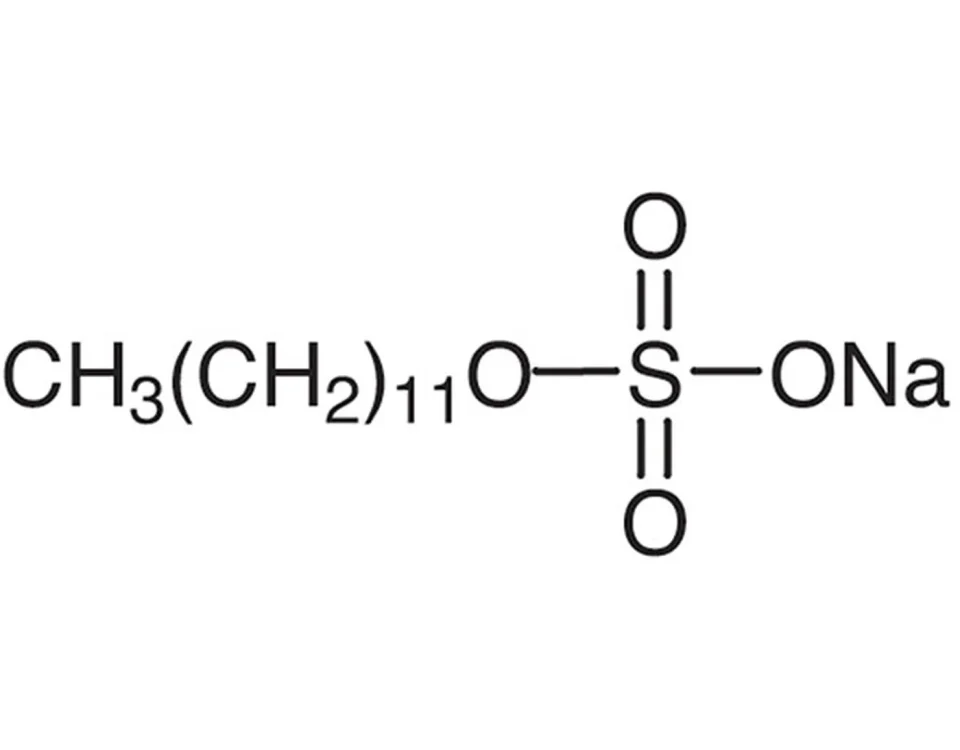
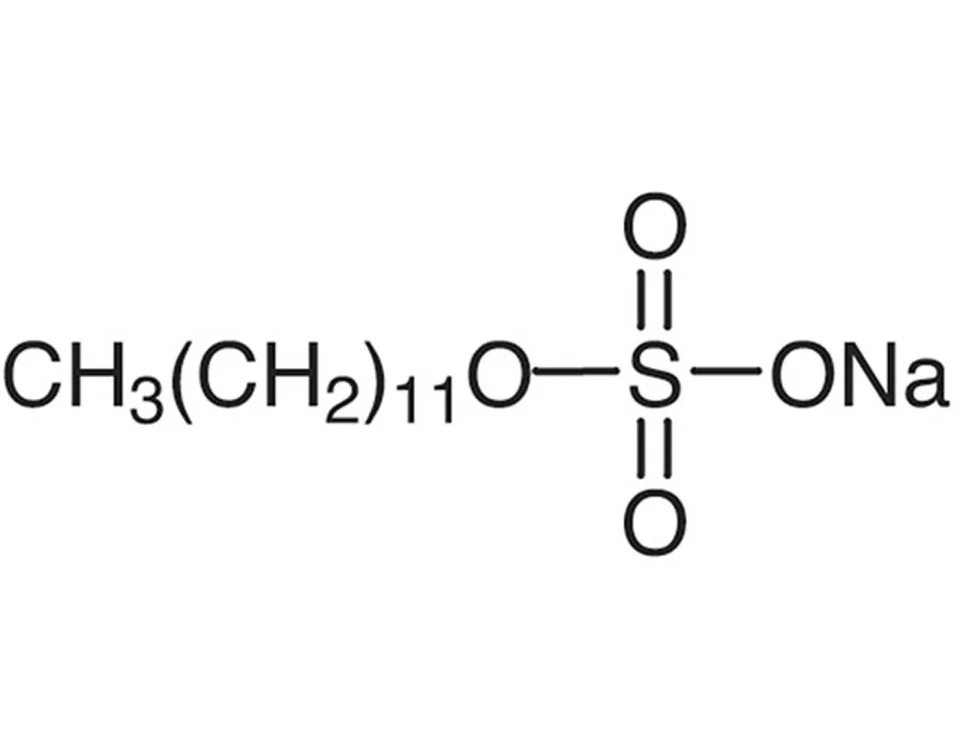
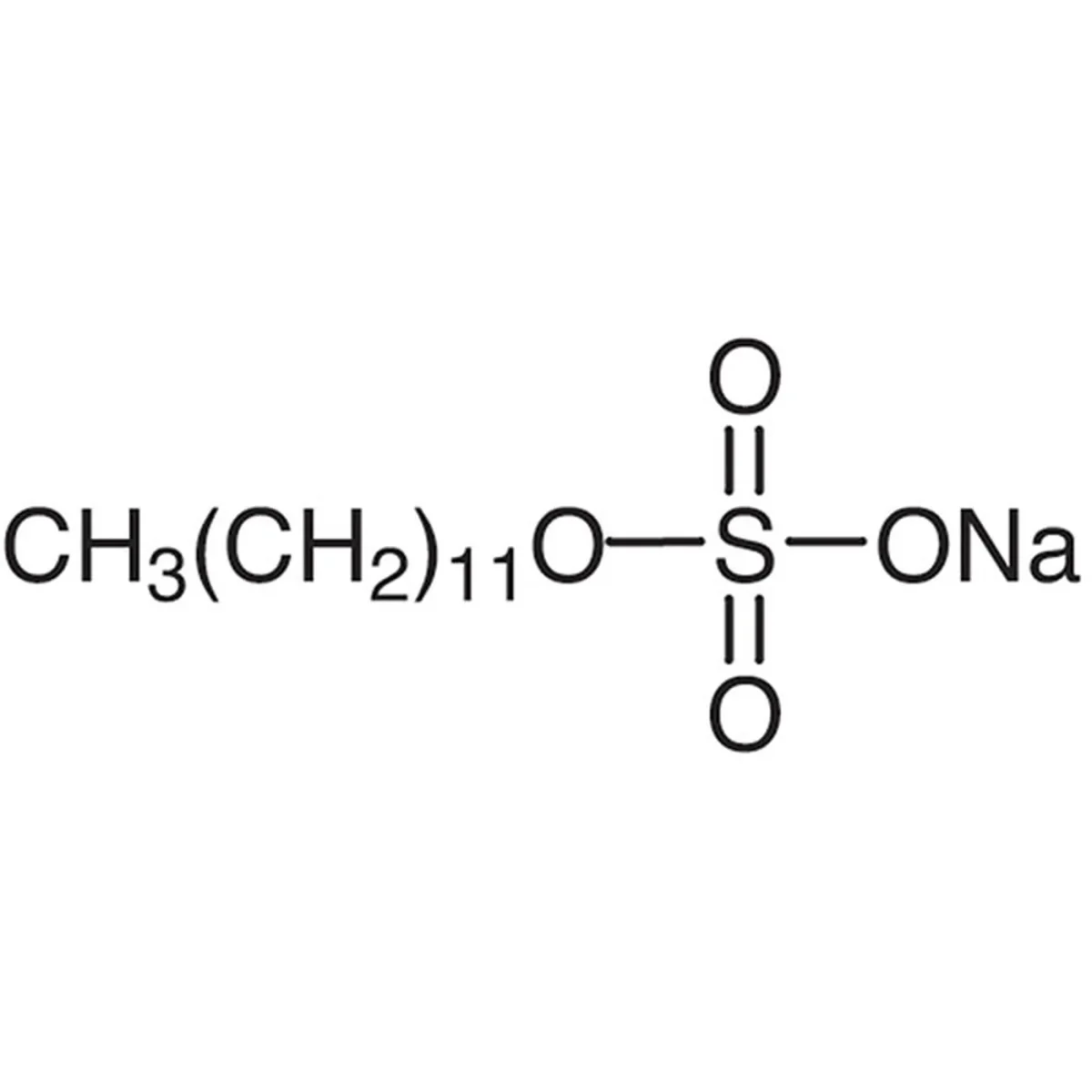
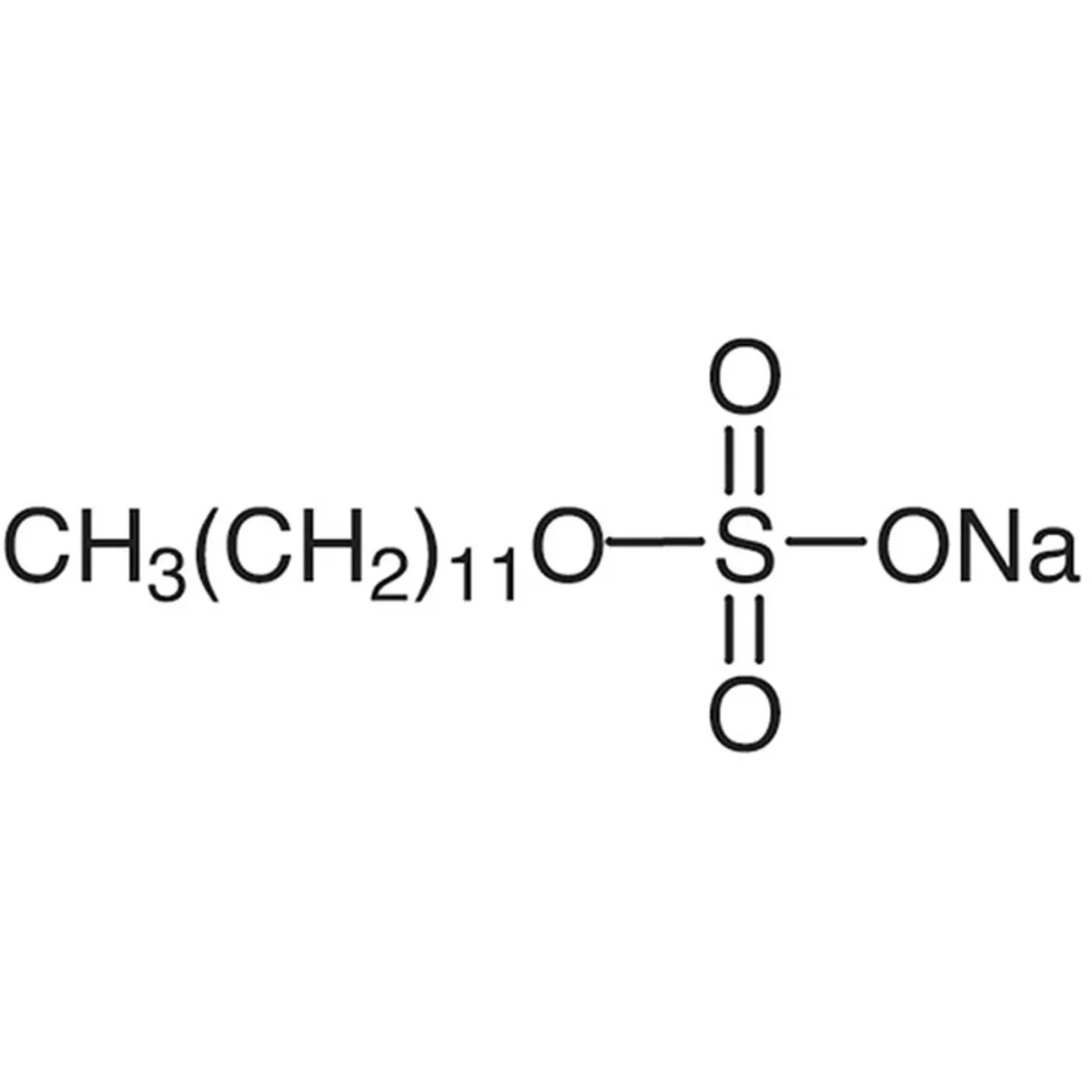
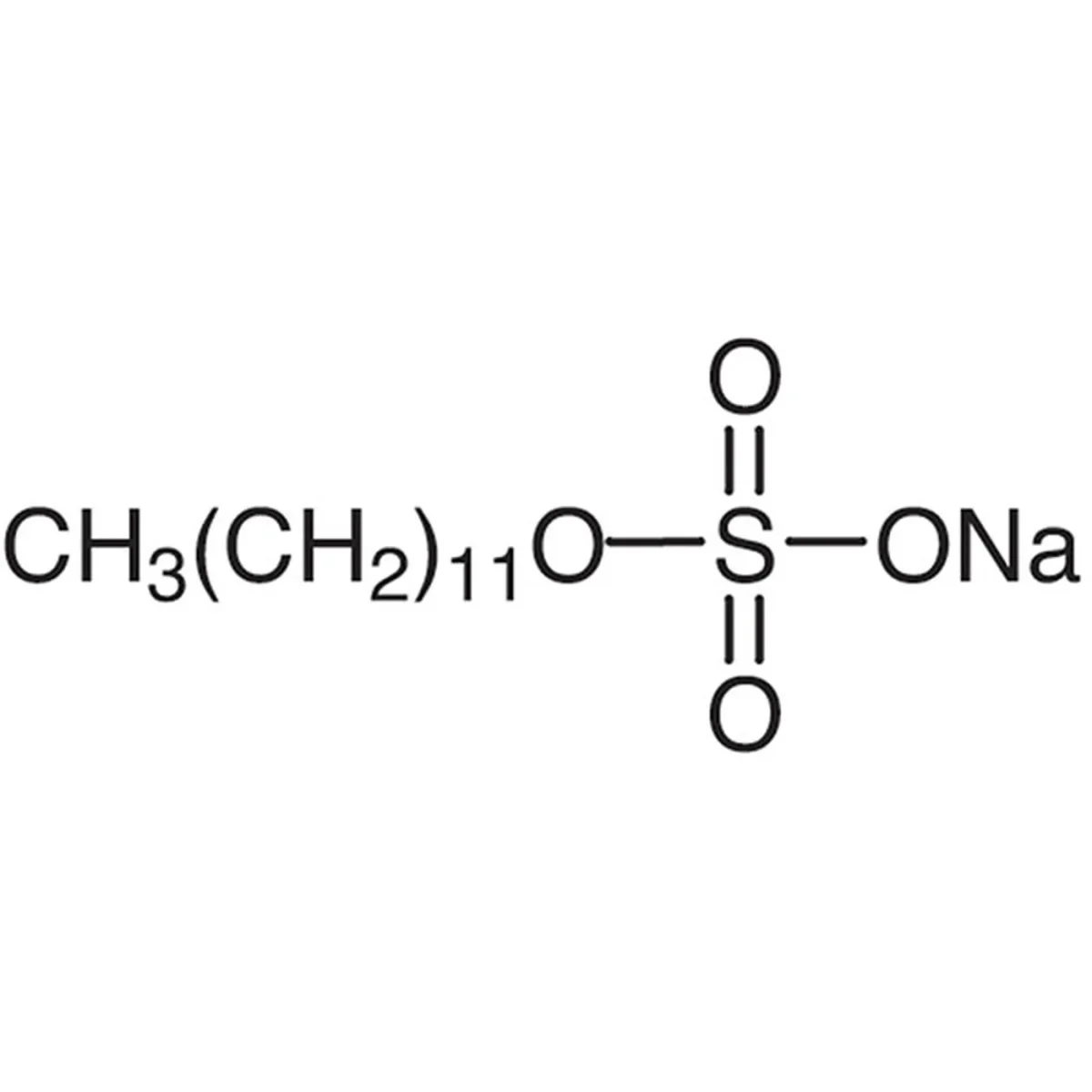
| Formula / molar mass | C12H25NaO4S / 288.38 g/mol |
| Grades under this number | 92%, 93%, 94% and 97% (illustrative) |
| Packing | 25 kg bags or drums (illustrative) |
| Documents | COA, TDS and MSDS on request |
Checking a purchase order against 151-21-3? Request a quote or request the COA/MSDS from contact our team.
Short answer: 151-21-3 is the CAS registry number for sodium lauryl sulfate, the C12 alkyl sulfate salt with formula C12H25NaO4S and molar mass 288.38 g/mol. The number has three parts separated by hyphens: a registry block, a serial number and a check digit. It identifies the molecule, not the grade, the supplier or the packing.
Key takeaways
- 151-21-3 has three hyphen-separated groups; the last digit is a check digit.
- Write the number with hyphens on purchase orders and labels.
- The CAS number identifies the molecule, not assay, supplier or packing.
- EC numbers, HS codes and UN numbers belong to different systems.
- SLES, AOS and LDS each carry a separate registry number.
How the three number groups are built
A CAS number reads right to left in terms of logic. The final digit is a check digit calculated from the preceding digits, which is why a transposed number usually fails validation. The middle group is the sequential registry number; the first group grows as the registry expands. Writing 151 21 3 with spaces or 151213 without hyphens loses the check digit structure and should be corrected on formal documents.
Identifiers that are often confused with it
Buyers frequently paste an EC number, an HS code, a UN number or an internal supplier code into the CAS field. Each belongs to a different system. The table separates them without claiming specific values for a destination schedule.
| Identifier | What it identifies | Who issues it |
|---|---|---|
| CAS 151-21-3 | One chemical substance | CAS Registry |
| EC / EINECS number | Substance in a regional inventory | Regional authority |
| HS code | Goods for customs tariff | Customs authorities |
| UN number | Dangerous goods in transport | Transport regulations |
| Internal grade code | A supplier’s commercial product | The supplier |
One number, several commercial grades
Because the registry entry is about molecular identity, SLS 93, SLS 94, SDS 97 and SLS 30% liquid all sit under 151-21-3. The differences are assay, physical form and impurity limits. If a supplier quotes a different CAS number for a product described as sodium lauryl sulfate, ask what molecule is actually in the drum.
Nearby substances with different registry entries
Chain length and counterion change the number. Sodium laureth sulfate is ethoxylated and registered separately, alpha olefin sulfonate is a sulfonate rather than a sulfate ester, and the lithium salt substitutes the cation. Our emulsifier comparison of SLS, LDS and SDS 97% shows why those differences matter in a polymerisation recipe.
| Substance | CAS | Difference from 151-21-3 |
|---|---|---|
| Sodium lauryl sulfate | 151-21-3 | Reference substance |
| Sodium lauryl ether sulfate | 68585-34-2 | Ethoxylated chain |
| Sodium C14-16 olefin sulfonate | 68439-57-6 | Sulfonate, longer chain |
| Lithium dodecyl sulfate | 2044-56-6 | Lithium instead of sodium |
Checking the number before a purchase order goes out
Copy 151-21-3 with hyphens, not spaces. Match it against the TDS header and the composition section of the MSDS. Check that the molecular formula on the same page is C12H25NaO4S. A mismatch between any of those three fields is worth a written clarification. Contact our team if you want the identifier set confirmed for a specific grade.
Where the number shows up in technical literature
Formulation papers and reagent catalogues use the CAS number to disambiguate SDS the chemical from SDS the safety document. It also anchors literature values such as a critical micelle concentration near 8.2 mM at 25 C and a Krafft point around 16 C; treat those as literature values, not lot specifications. Our CMC and Krafft point note explains how to read both numbers.
Frequently asked questions
Is 151 21 3 without hyphens still a valid CAS number?
The digits are right but the formatting is not. Use 151-21-3 on formal documents so validation tools and customs reviewers read the check digit correctly.
Does the CAS number tell me the purity of the powder?
No. Assay is a specification item on the TDS and lot COA. One registry number covers 92% technical powder and higher-purity reagent grades alike.
Why does my broker ask for an EC number as well?
Some destinations track substances in a regional inventory that uses its own identifier. Ask the broker which field is required; do not substitute a CAS number for it.
Can two suppliers have different CAS numbers for the same trade name?
That is a warning sign. Trade names are not regulated, so verify the formula on the TDS. A different CAS number usually means a different substance, such as SLES in place of SLS.
What molecular formula should sit next to 151-21-3?
C12H25NaO4S, with a molar mass of about 288.38 g/mol. If a document shows a different formula, request a corrected version before ordering.
Request a quote or a sample
For bulk pricing, MOQ and lead time on grades registered under 151-21-3, request a quote with your destination port. Request a sample for your QC check and request the COA/MSDS to confirm the identifier set.
Written and reviewed by the ORID Chem technical team. Last updated: 16 November 2026. Figures marked illustrative are working values, not quotations. Confirm current specifications on the product TDS and lot COA before ordering.