| Item | Value |
|---|---|
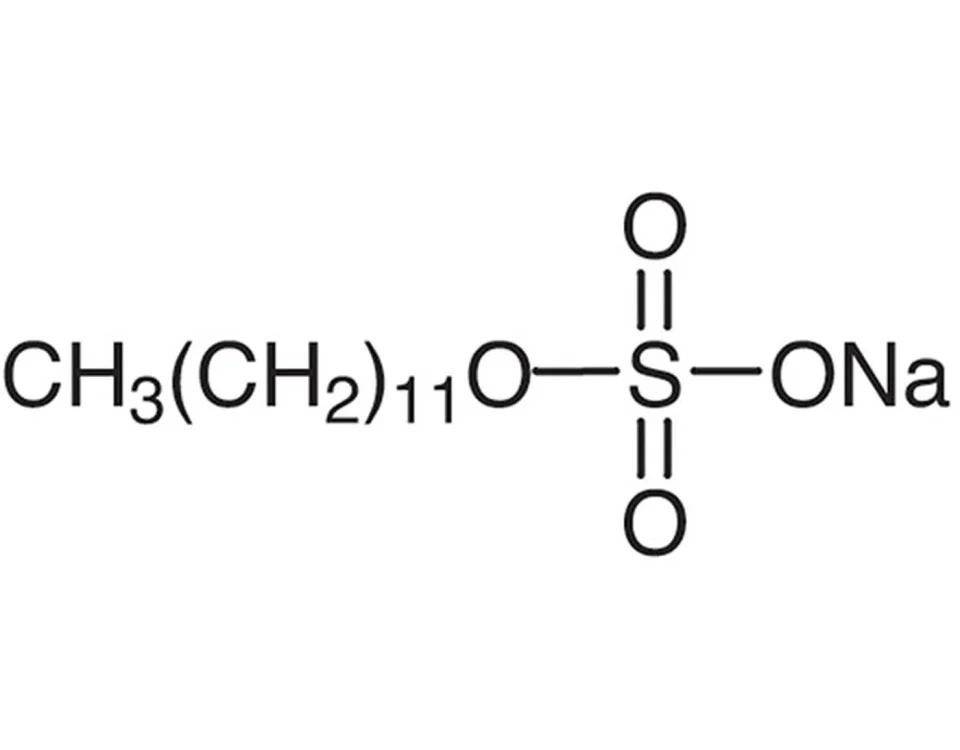
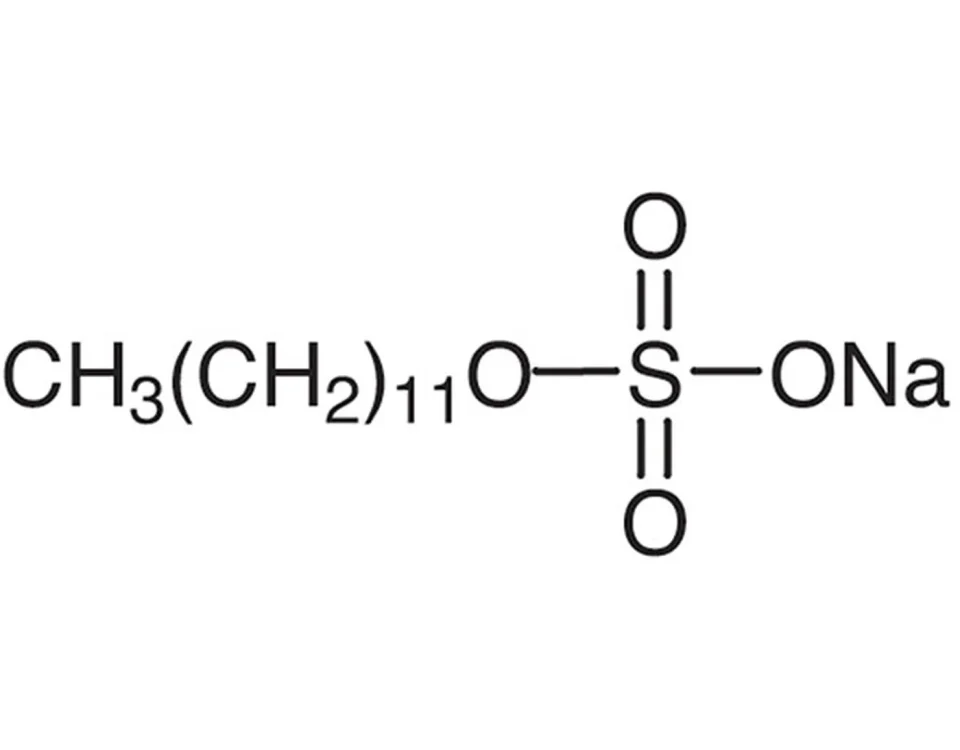
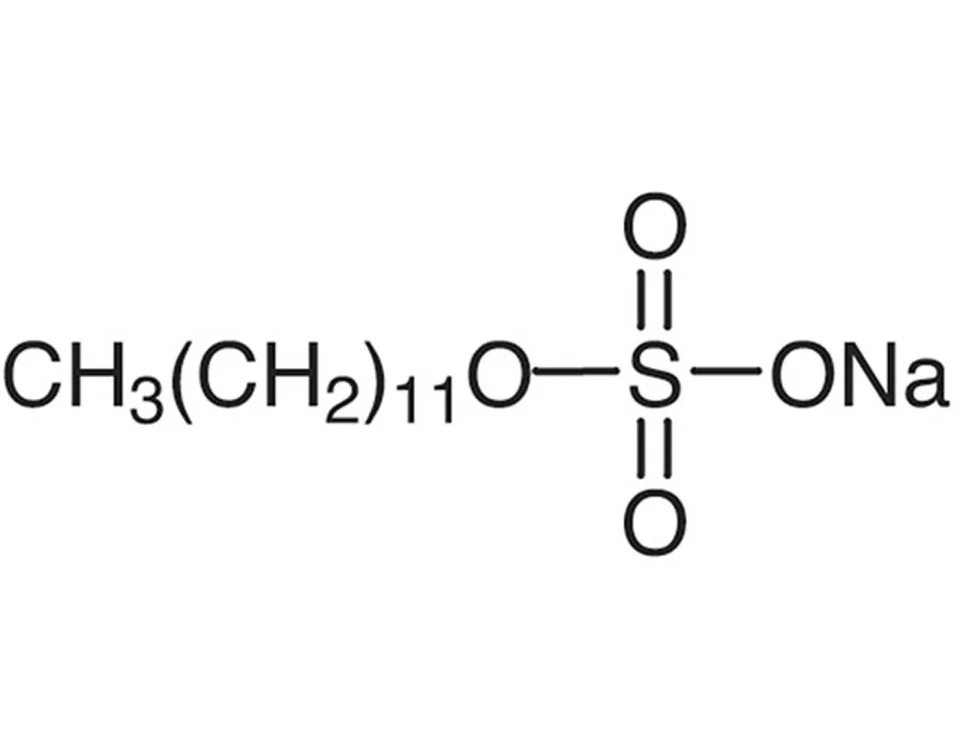
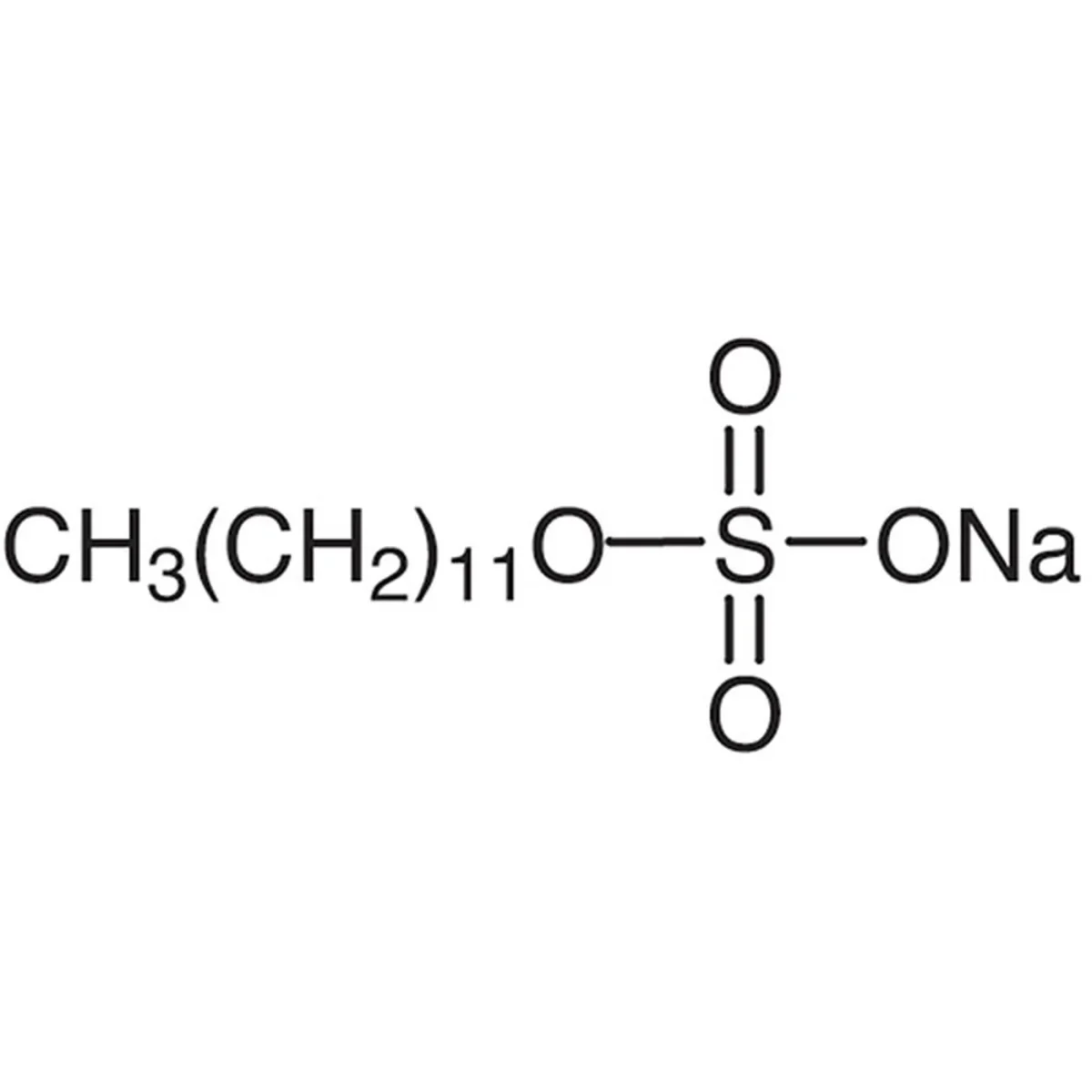
| Substance identifier | CAS 151-21-3 |
| Typical tariff chapter | 3402, anionic organic surface-active agents (illustrative) |
| Grades | 92-95% powder, 30% solution (illustrative) |
| Packing / MOQ | 25 kg bags or drums / 1 tonne (illustrative) |
| Shipment papers | COA, TDS, MSDS and packing list |
Before your broker files the declaration, request a quote and request the COA/MSDS from contact our team.
Short answer: CAS No 151-21-3 is a substance identifier, not a customs code. Sodium lauryl sulfate is normally declared as an anionic organic surface-active agent, commonly under heading 3402, but the exact subheading depends on form, packaging and destination tariff. Confirm it with your broker. ORID Chem supplies the CAS number, TDS and MSDS for the declaration.
Key takeaways
- 151-21-3 identifies a substance; the HS code is a customs classification chosen per destination.
- Anionic surfactants are commonly declared in heading 3402, but the subheading is for your broker to confirm.
- Give customs the CAS number, formula, assay, physical form and packing weight together.
- A 30% solution and a 95% powder need different goods descriptions.
- Keep the product description identical across invoice, packing list, COA and MSDS.
Why a CAS number is not a tariff line
Customs classification follows the Harmonized System, which groups goods by composition and use. A CAS registry number comes from a chemical database and identifies a molecule. They answer different questions, so a supplier cannot simply print an HS code next to 151-21-3 and treat it as valid everywhere. Tariff schedules also change between countries and between years.
Where anionic surfactants usually sit in the schedule
Organic surface-active agents are commonly declared in heading 3402, with separate lines for anionic products and for retail packing versus bulk. Whether a 25 kg bag of SLS 92% powder falls in one subheading or another depends on the importing country’s schedule. We give buyers the composition and physical form; the broker decides the code. Treat any specific six-digit code as a working suggestion, not a ruling.
Product details the broker will ask for
Have these ready before the declaration: CAS number, molecular formula, active matter, physical form, whether the goods are put up for retail sale, net weight per package and intended industrial use. The table below shows what each detail supports.
| Detail | Source document | Why customs asks |
|---|---|---|
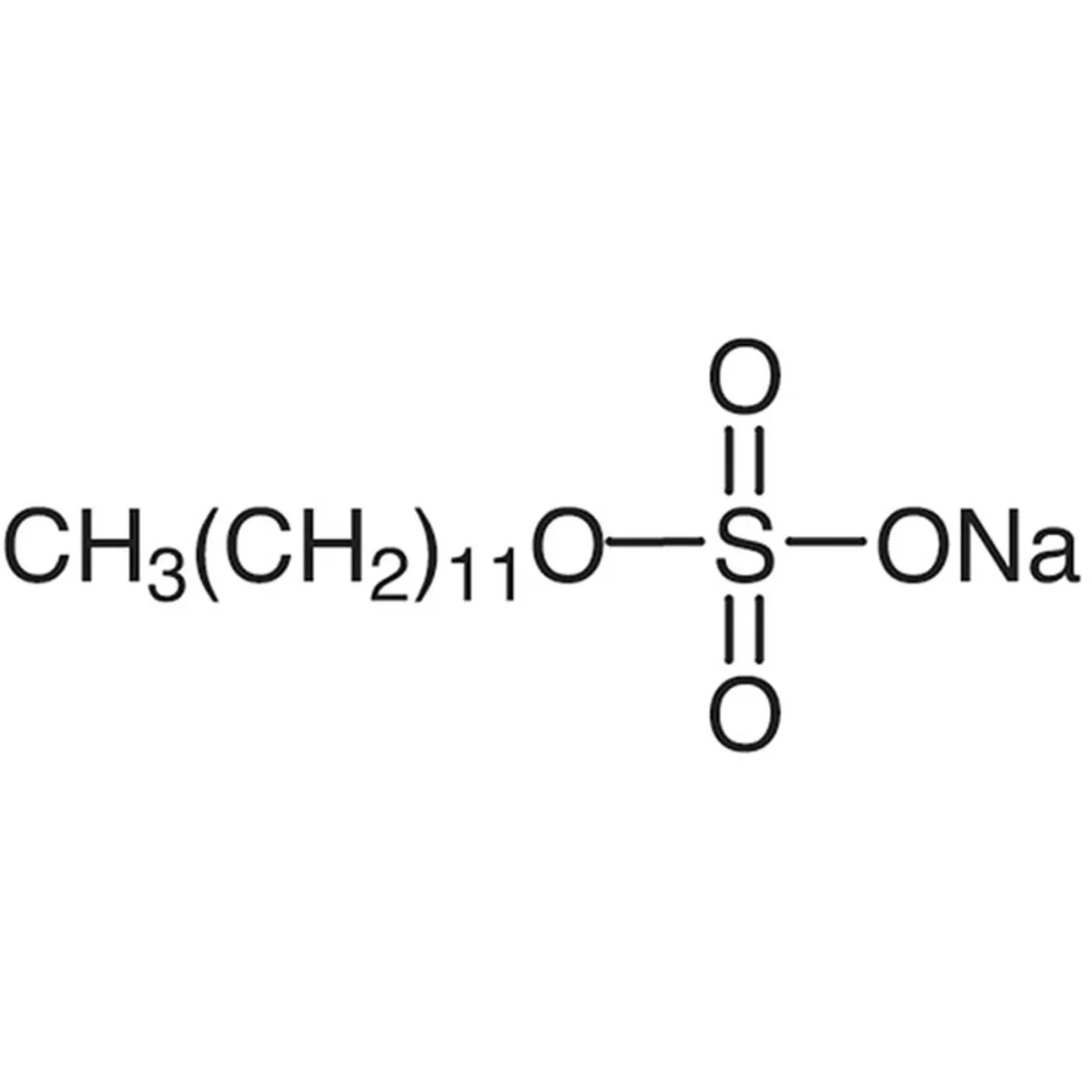
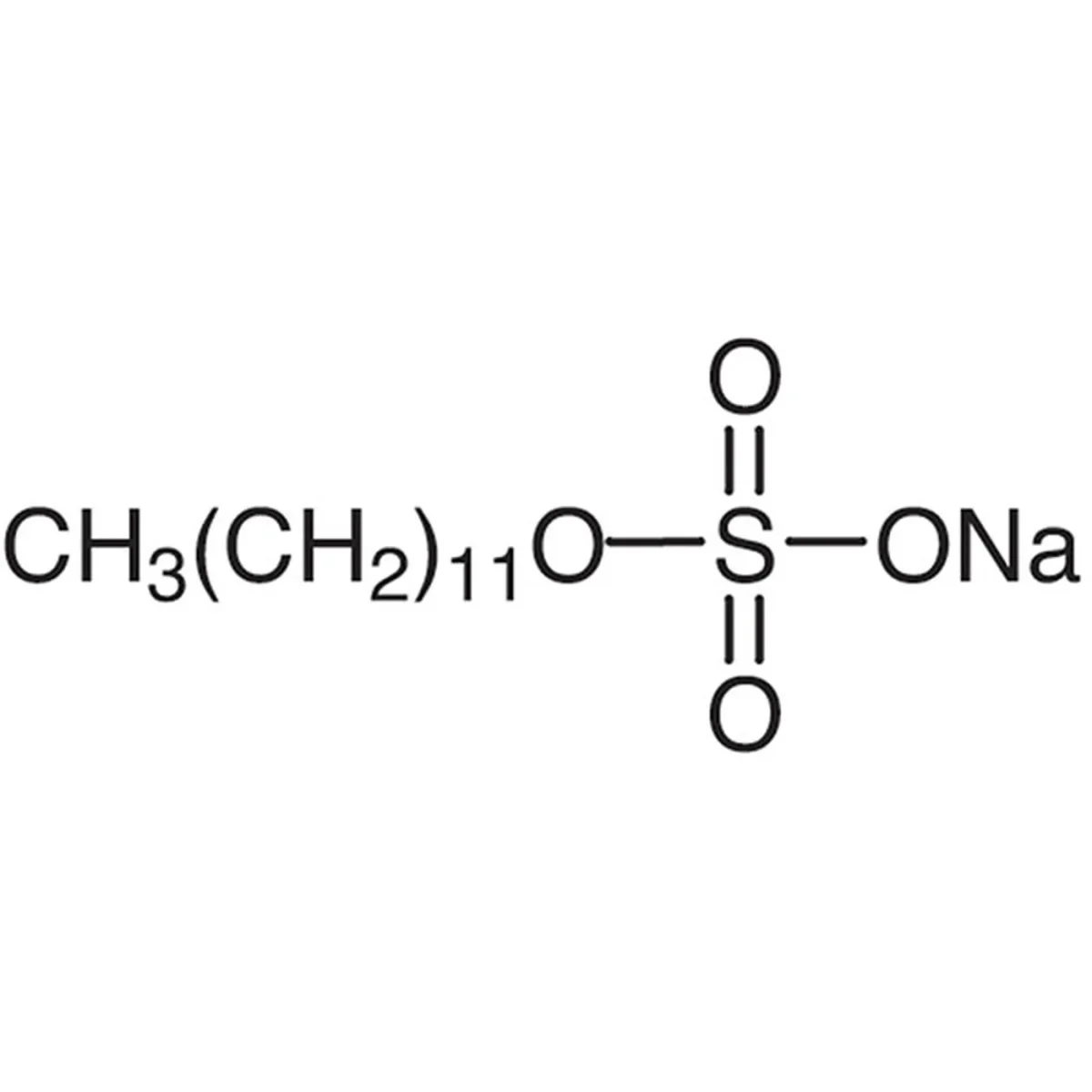
| CAS 151-21-3 and C12H25NaO4S | TDS or MSDS section 3 | Confirms substance identity |
| Active matter 92-95% | Lot COA | Distinguishes technical grade from a preparation |
| Powder, needles or 30% liquid | TDS and packing list | Physical form affects classification and duty |
| 25 kg bags or drums | Packing list | Bulk versus retail packing |
| Detergent manufacturing use | Purchase order | Supports the intended-use description |
Documents that travel with the shipment
A typical set is the commercial invoice, packing list, TDS, lot COA and MSDS. Put 151-21-3 on the invoice description so the receiver can match the drums to the paperwork. Buyers importing into India, Pakistan or Russia sometimes need an additional origin or composition statement; flag that at enquiry stage rather than after loading. Contact our team if your consignee has a fixed document template.
Grades that change the declaration wording
A 30% aqueous solution is a different physical good from a 95% needle powder, and AOS powder or SLES 70% paste carry their own CAS numbers entirely. Do not reuse the description from a previous order when the grade changes. Our liquid versus powder freight note explains how the water content changes container payload and landed cost.
Common mistakes at the receiving end
Three problems recur. The invoice says only SLS, with no CAS number, so the broker asks for clarification. The MSDS is for a different grade. The packing list shows gross weight where the permit states net active content. Agree a single description line across all documents before the proforma invoice is signed.
Related grades on this site include SLS 30% solution, SLS 93% powder. The CMC and Krafft point note gives the formulation context.
Frequently asked questions
Can ORID Chem give me a binding HS code for CAS 151-21-3?
No. Classification depends on the importing country’s tariff schedule and the exact goods. We supply composition, form and documents; your customs broker determines the code.
Why does the powder grade need its own description?
Physical form and active matter affect classification and duty. A 95% powder, a 30% solution and a retail-packed preparation are not the same goods even when the substance is shared.
Should the CAS number be printed on the commercial invoice?
It helps. Putting 151-21-3 in the goods description lets the broker and receiver match the shipment to the MSDS and COA without a clarification round.
Do AOS and SLES use the same tariff heading?
They are different substances with different CAS numbers, 68439-57-6 and 68585-34-2. Ask your broker to classify each separately rather than copying the SLS line.
What if my consignee needs a composition statement?
Request it with the order. We can provide assay, formula and physical form from the TDS and lot COA so the statement matches the shipped goods.
Request a quote or a sample
For bulk pricing, MOQ and lead time on SLS CAS 151-21-3, request a quote with your destination port and required document format. Request the COA/MSDS for customs, and contact our team about a pre-shipment sample.
Written and reviewed by the ORID Chem technical team. Last updated: 16 November 2026. Figures marked illustrative are working values, not quotations. Confirm current specifications on the product TDS and lot COA before ordering.