| Item | Value |
|---|---|
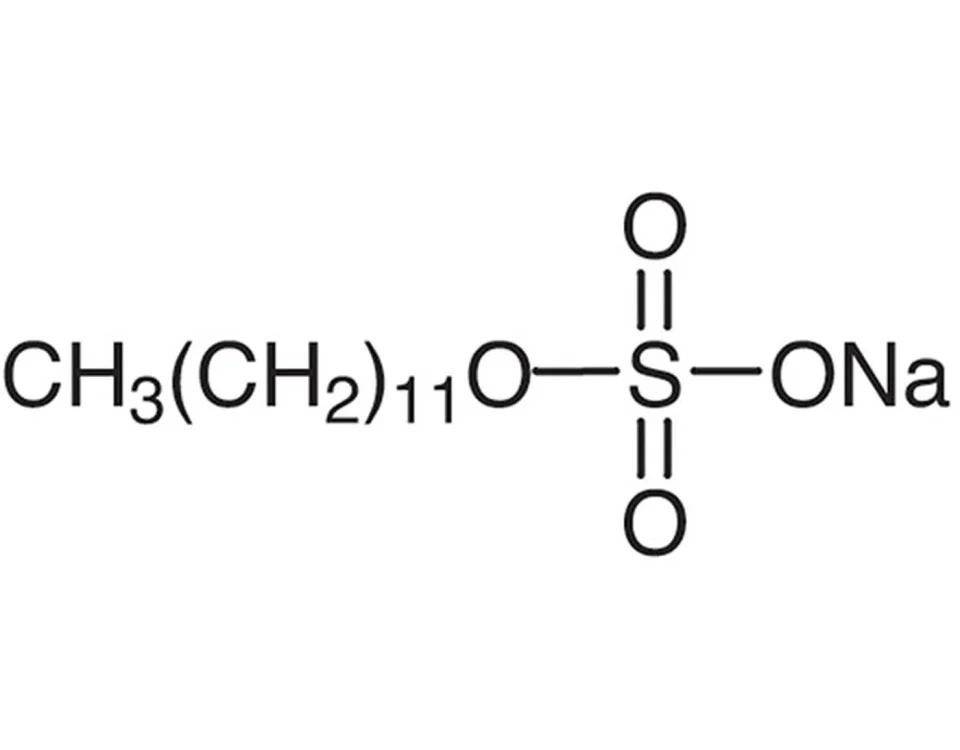
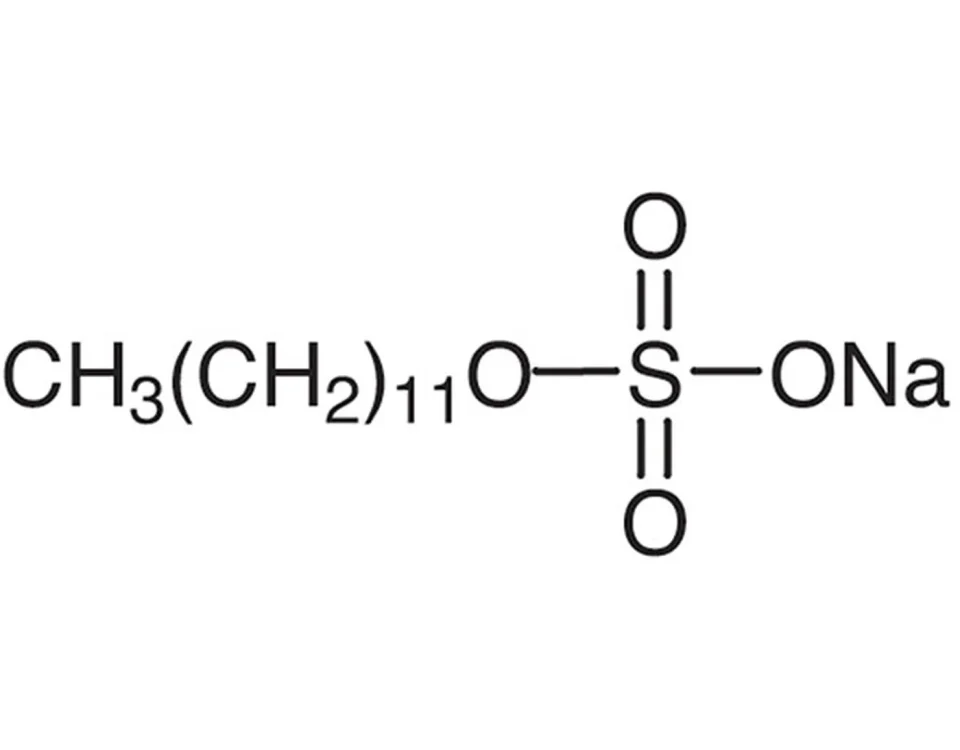
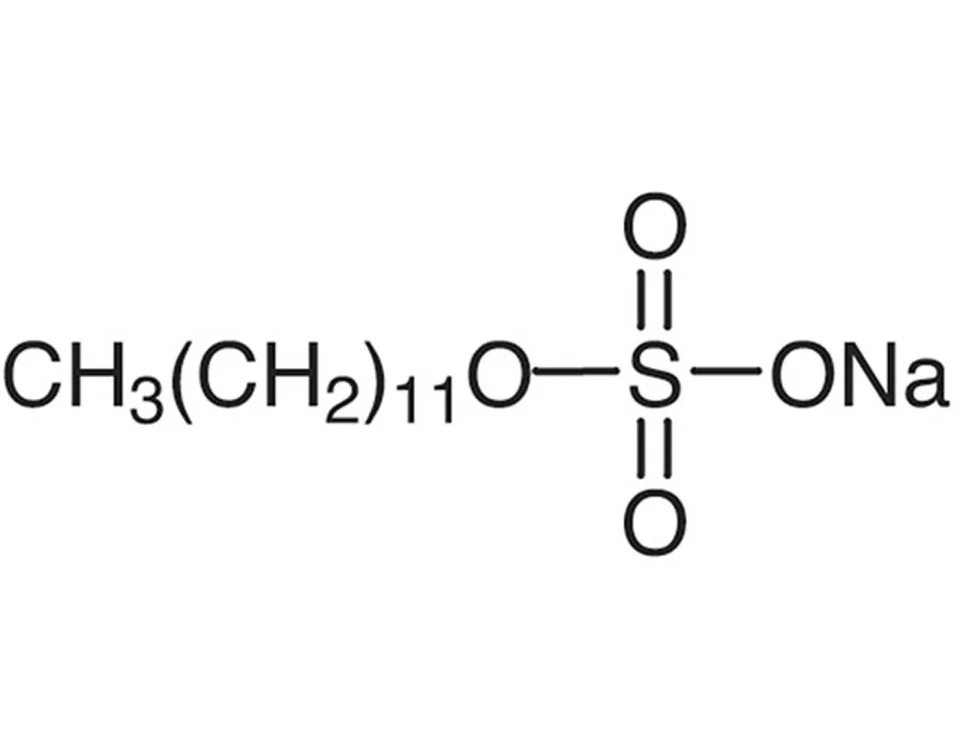
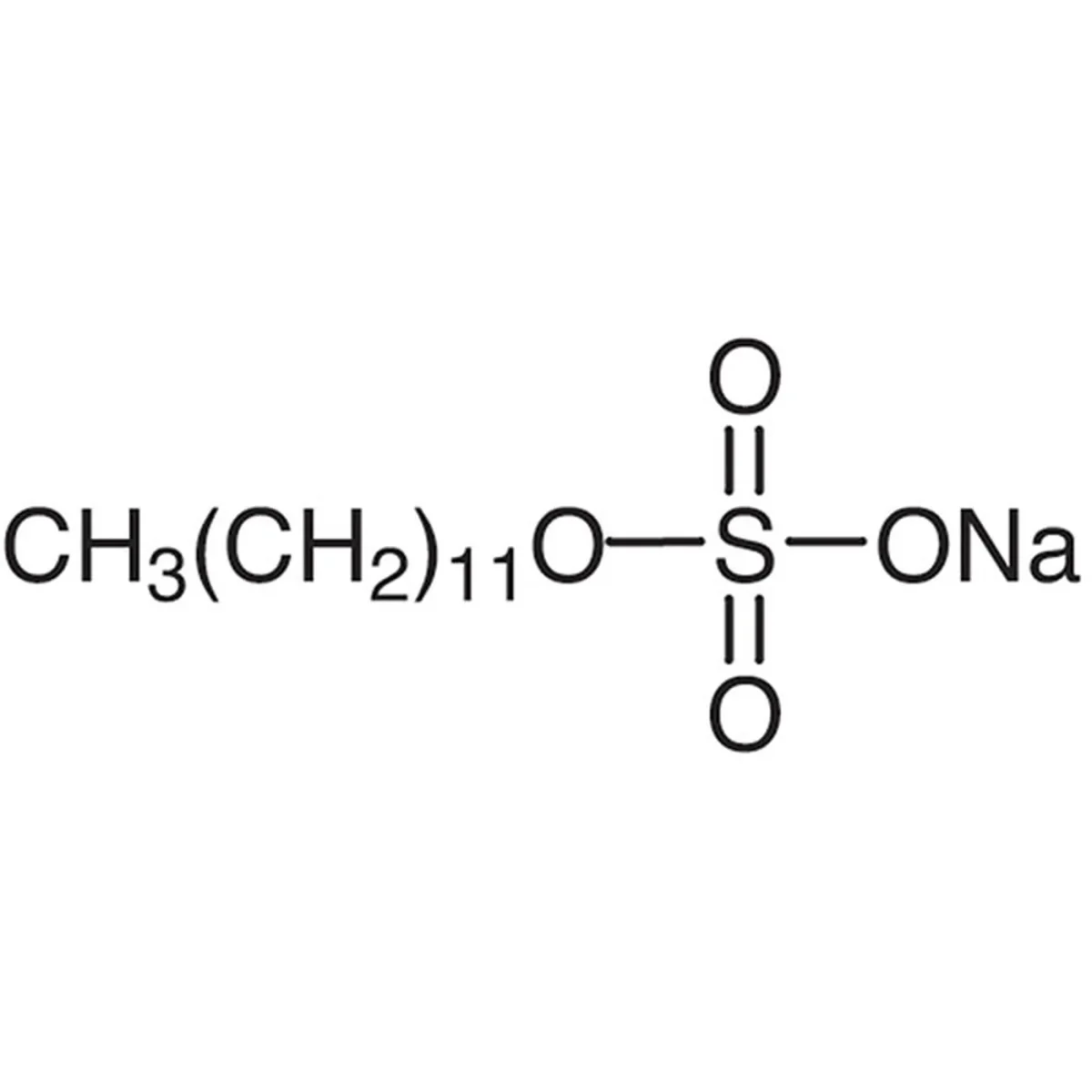
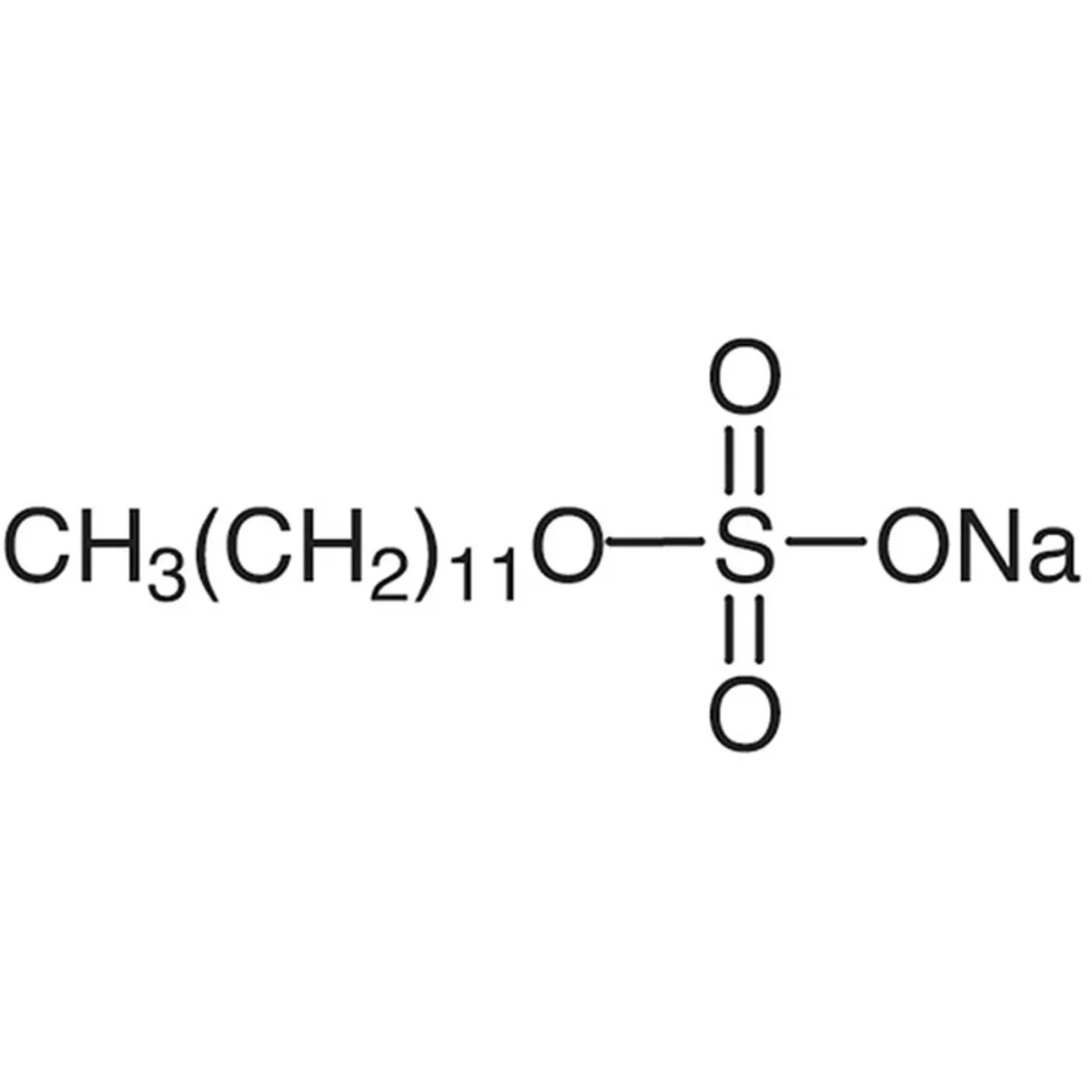
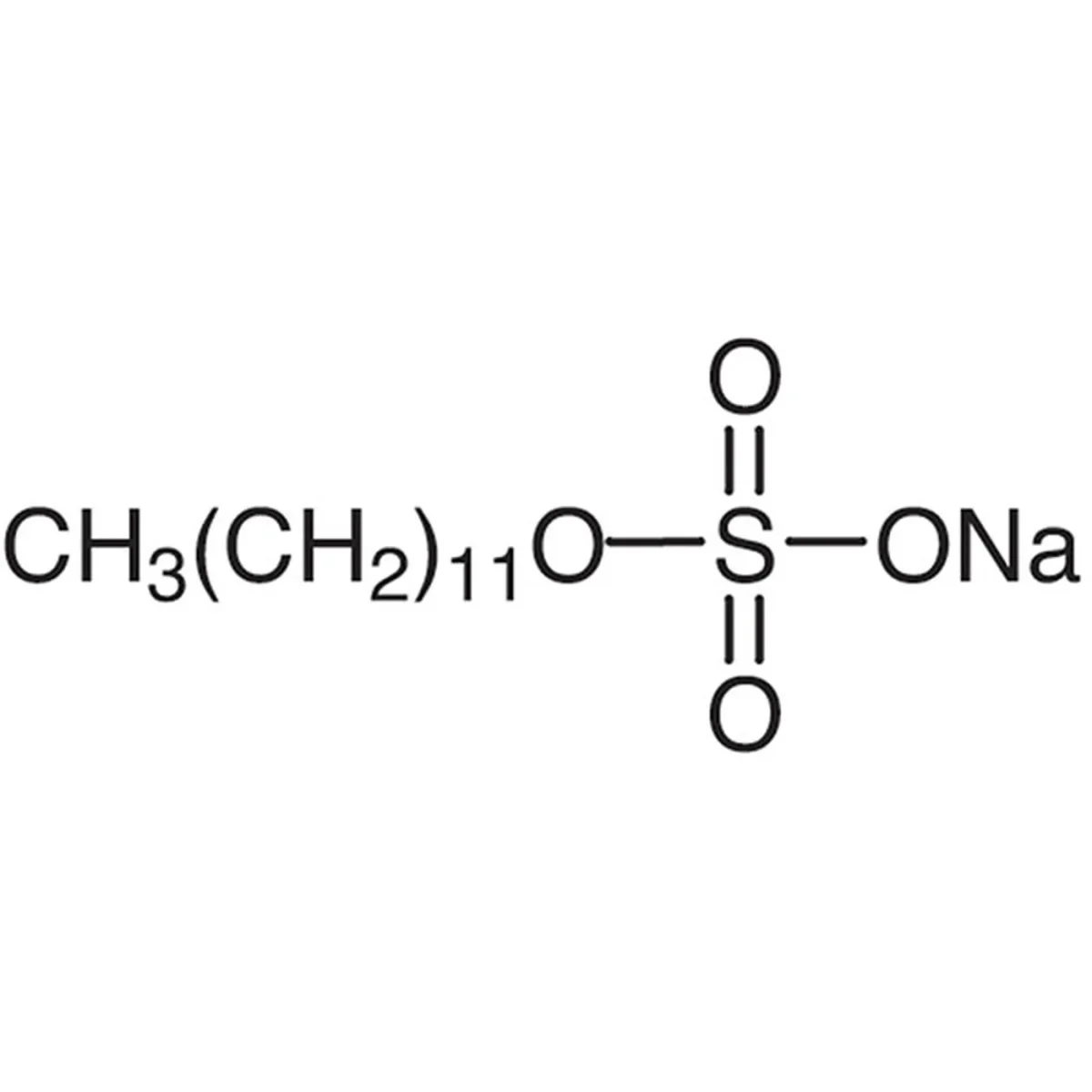
| Substance | Sodium lauryl sulfate, CAS 151-21-3 |
| Safety document | 16-section Safety Data Sheet (MSDS/SDS) |
| Grades covered | 92-95% powder, 30% solution (illustrative) |
| Revision | Current issue supplied per grade |
| Packing | 25 kg bags or drums (illustrative) |
For a named grade, request the COA/MSDS from contact our team or request a quote with the destination in the enquiry.
Short answer: An MSDS for CAS No 151-21-3 is the safety document for sodium lauryl sulfate, covering hazards, handling, exposure controls and transport. It is not a specification sheet. ORID Chem issues a current version for each powder and liquid grade, alongside the TDS and lot COA. Request the PDF with your shipment grade and destination market.
Key takeaways
- An MSDS is a safety document, not a specification or a quality certificate.
- Sections 2, 6, 8, 9 and 14 answer most plant and receiving questions.
- Powder grades need dust control at the dump station; liquid grades do not.
- Request the MSDS for the exact grade and CAS number you are buying.
- SDS can mean either Safety Data Sheet or sodium dodecyl sulfate.
What an MSDS covers and what it leaves out
The document describes hazards and safe handling. It does not certify assay, active matter or suitability for a formula. Those sit on the TDS and COA. Buyers sometimes receive an MSDS where they needed a specification sheet, then discover at goods receipt that the assay window is wrong. Ask for all three documents in one enquiry.
Sections buyers actually read before unloading a container
Section 2 lists classification and label elements; Section 8 covers exposure controls and personal protection; Section 9 gives physical properties such as bulk density and solubility; Section 14 carries transport information. The table below maps common plant questions to the section that answers them. Wording follows the supplier’s format, so page numbers differ between documents.
| Plant question | MSDS section | Typical content |
|---|---|---|
| Is the powder a dust hazard? | 2 and 8 | Classification, respiratory protection, local exhaust |
| What PPE does the feed hopper need? | 8 | Gloves, eye protection, dust mask |
| What happens if a bag splits? | 6 | Spill containment and cleanup |
| Can the drums travel as general cargo? | 14 | Transport classification and packing group |
| How long may it be stored? | 7 and 10 | Storage conditions and stability |
Powder grades and the dust question
Needle and fine powders create airborne dust at the hopper, so the handling section matters more for SLS 92% powder than for SLS 30% solution. Fit local extraction at the dump station and keep the bags sealed until use. SDS 99% reagent powder is finer again and gets packed for laboratory handling rather than bulk tipping.
Requesting the current revision for a specific grade
State the grade, the CAS number and the destination country when you ask. A document written for a 30% liquid does not describe a 95% powder, even though both carry 151-21-3. Our team issues the MSDS together with the TDS and lot COA for the supplied grade, and can add packing photos for the consignee.
Mixing up MSDS with SDS the abbreviation
SDS is used two ways in this trade. In a safety context it means Safety Data Sheet, the newer name for an MSDS. In a laboratory context it means sodium dodecyl sulfate, the chemical itself. Read the heading before filing the PDF. Our COA reading guide uses the chemical meaning, while purchase documents use the safety meaning.
Storage and spill notes from the handling sections
Keep bags dry and off the floor, away from strong oxidisers, and reseal partly used bags. Sweep or vacuum spills rather than hosing them down, because the powder foams and makes a slippery film. Buyers in Iran, Russia and Southeast Asia often ask for the MSDS in a specific language; ask early if the consignee needs a translated version.
The same catalogue also lists SLS 93% powder, SLS 94% powder. See liquid versus powder freight comparison for the numbers behind the dose.
Frequently asked questions
Is an MSDS the same document as a COA?
No. The MSDS covers hazards and handling. The COA reports measured values for a specific production lot, such as assay, pH and moisture. You need both before receiving a shipment.
Do I need a separate MSDS for the 30% liquid grade?
Yes. Physical form changes the hazard profile and the handling advice. Ask for the document that names the grade you ordered rather than reusing the powder version.
Why does the CAS number appear on the MSDS?
It identifies the substance unambiguously across languages and trade names. 151-21-3 lets a receiver confirm the document matches the sodium lauryl sulfate in the drums.
Can the MSDS be issued in the consignee’s language?
Ask at enquiry stage. Translation availability depends on the destination and the document revision, so allow time before the vessel is booked.
Which section covers a split bag in the warehouse?
Section 6, accidental release measures. Powder spills should be swept or vacuumed dry, since water produces foam and a slippery surface.
Request a quote or a sample
For bulk pricing, MOQ and lead time on CAS 151-21-3 grades, request a quote with your destination port. Request the COA/MSDS for the exact grade you plan to order, and contact our team about translated documents or a pre-shipment sample.
Written and reviewed by the ORID Chem technical team. Last updated: 16 November 2026. Figures marked illustrative are working values, not quotations. Confirm current specifications on the product TDS and lot COA before ordering.