| Item | Value |
|---|---|
| TDS assay (illustrative) | 92-95% active matter |
| pH of 1% solution (illustrative) | 7.5-9.5 |
| Grade examples | SLS 92%, 93%, 94%; SDS 99% |
| Packing / MOQ | 25 kg bags or drums / 1 tonne (illustrative) |
| Quality documents | Lot COA, TDS and MSDS |
Send your target assay to contact our team and request a quote or request a sample before scheduling production.
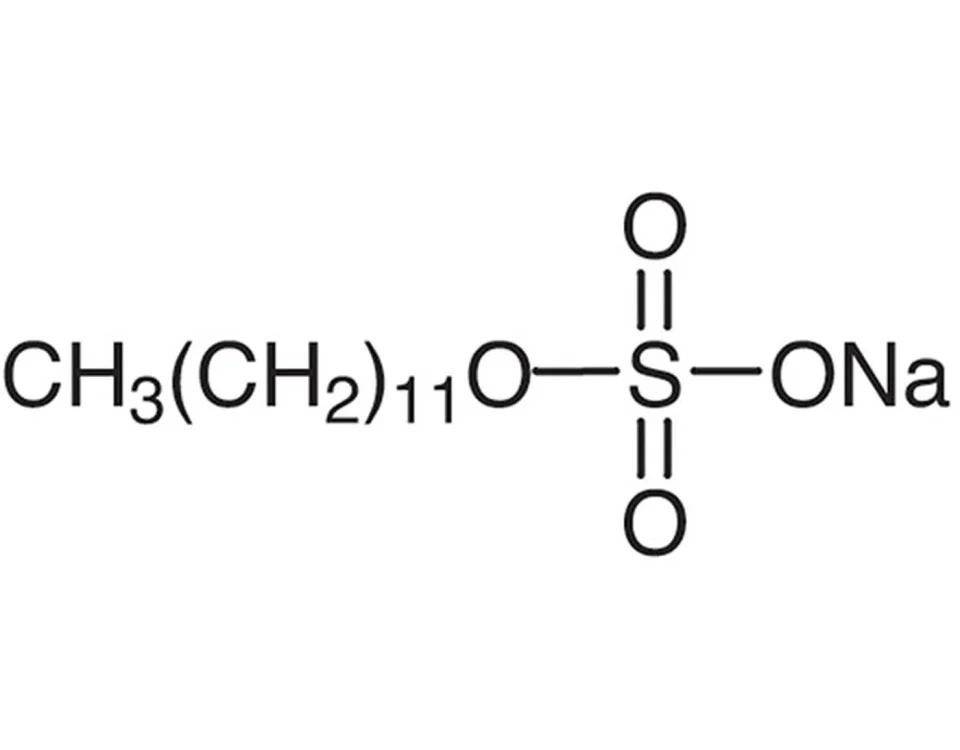
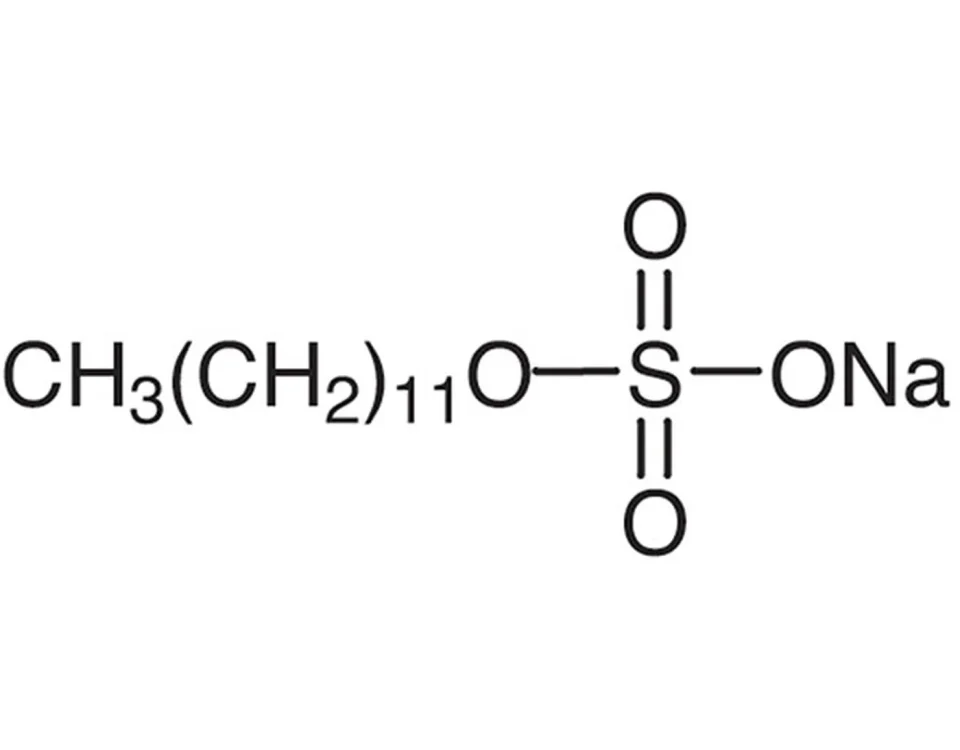
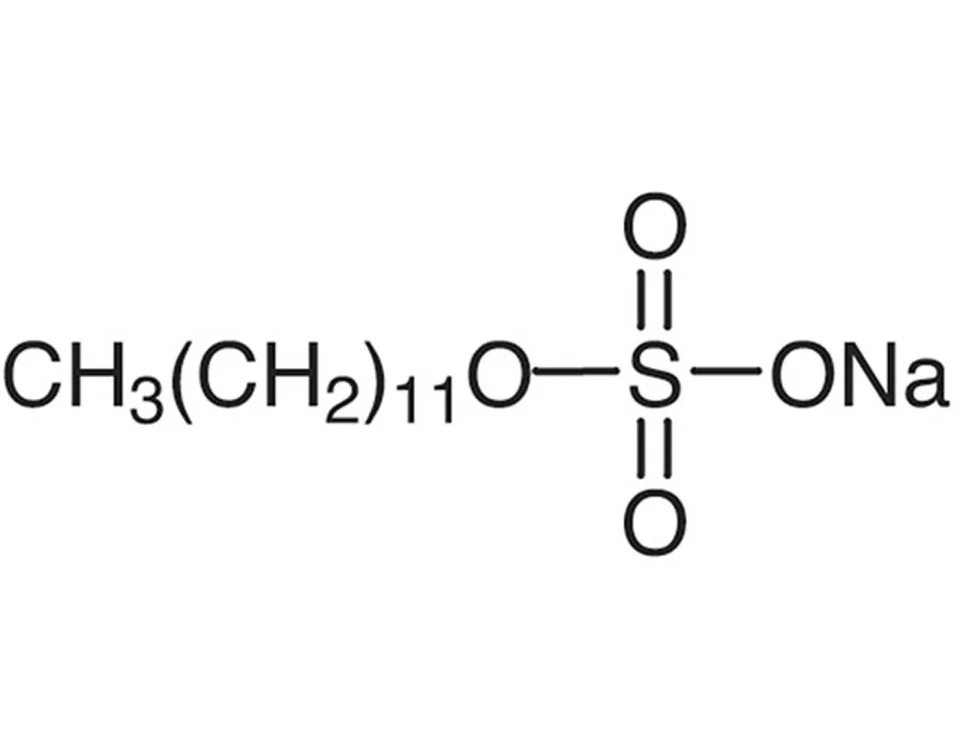
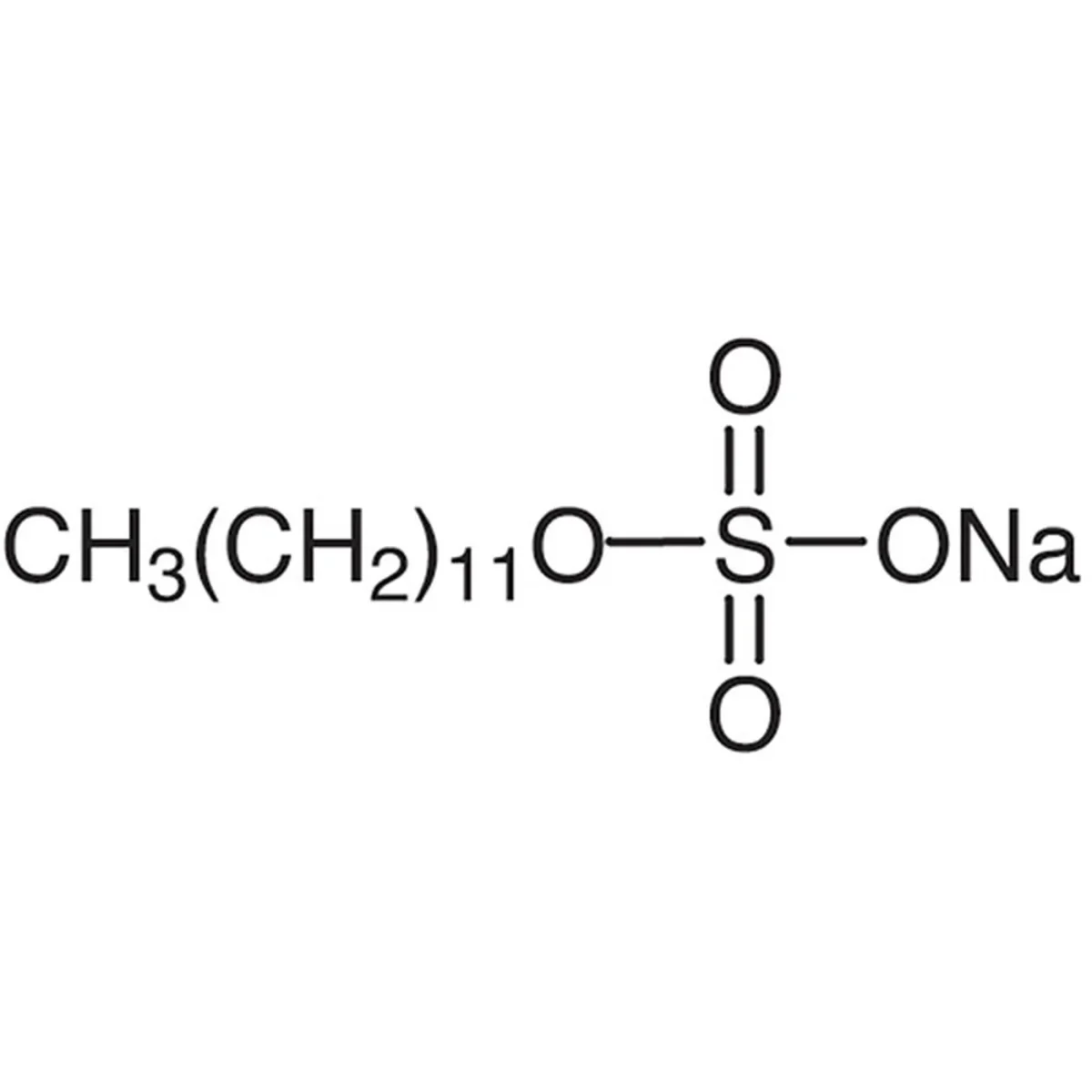
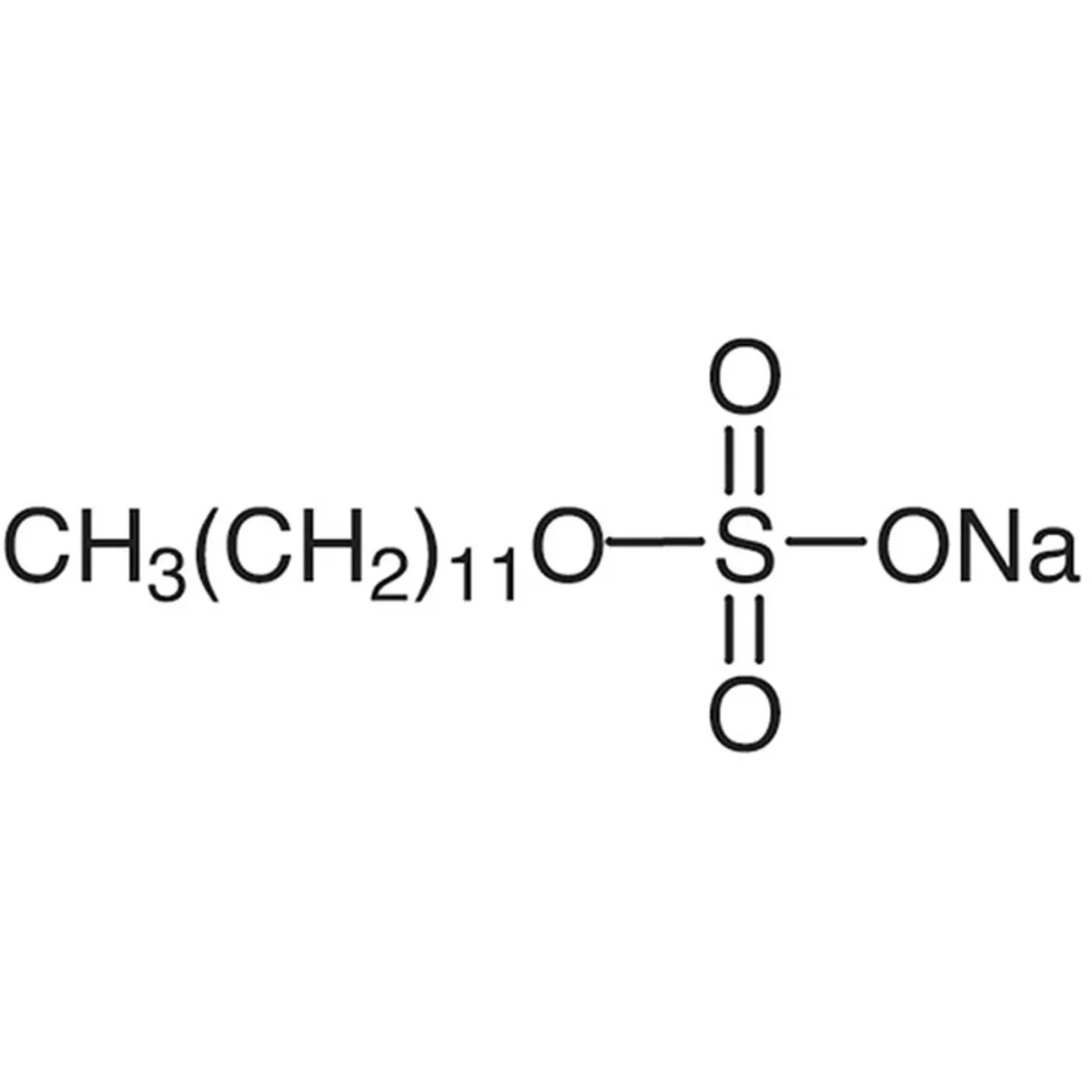
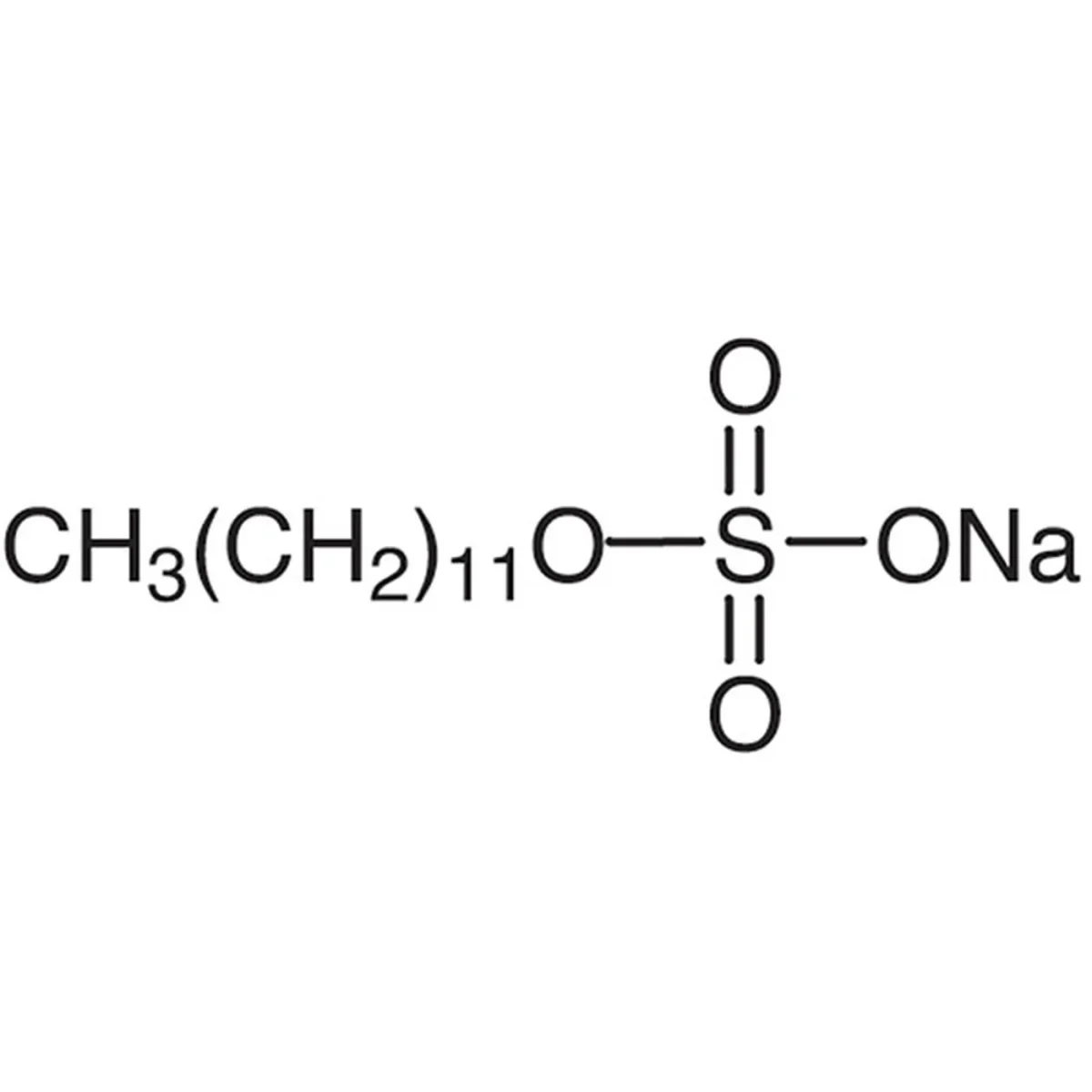
Short answer: CAS 151-21-3 sodium lauryl sulfate is traded on active matter, not on gross weight. A typical TDS lists assay, pH of a 1% solution, unsulfated matter, sodium sulfate and moisture. Our 92-95% needle powders and 30% solution cover detergent, toothpaste and shampoo lines. Ask for the lot COA before comparing two quotes.
Key takeaways
- Dose CAS 151-21-3 grades on active matter; 92% powder and 30% liquid differ by a factor of three in product weight.
- Ask which titration method produced the active-matter figure before setting an acceptance limit.
- Unsulfated matter, inorganic salt and moisture change foam, viscosity and caking.
- Illustrative packing is 25 kg bags or drums with a one-tonne MOQ.
- Get the TDS, lot COA and MSDS in the same enquiry as the price.
Which specification lines matter on a CAS 151-21-3 TDS
Active matter is the first line because it sets the dose. The rest of the sheet explains what makes up the balance. Unsulfated matter and inorganic salt affect foam and viscosity; moisture drives caking in storage; pH tells you how the powder will sit in an alkaline builder mix. Illustrative ranges for our needle grades are 92-95% active, 1% solution pH 7.5-9.5, unsulfated matter below 2%. Confirm every figure against the lot COA.
How active matter is measured and why two labs disagree
Anionic active matter is normally determined by titration. A two-phase titration and a direct potentiometric method can return different numbers on the same sample when the chain-length distribution differs. Agree the method with the supplier before setting an acceptance window. Our comparison of two-phase and direct titration walks through a worked COA example.
Grade-by-grade specification map
The table is illustrative and groups grades by the job they do in a plant. Powder with a higher assay gives less salt and water per kilogram of active, which helps sachet and concentrate producers. Lower-assay liquid removes a dissolving step in liquid detergent lines.
| Grade | Active matter | Physical form | Common destination |
|---|---|---|---|
| SLS 92 | 92% min | Needle powder | Industrial cleaners |
| SLS 93 | 93% min | Needle powder | Laundry powders |
| SLS 94 | 94% min | Needle powder | Shower gel |
| SLS powder grades | 92-95% | Powder or needle | Toothpaste, sachets |
| SLS 30 solution | 30% min | Aqueous liquid | Dishwash blending |
Dose calculation from active matter
A formula calling for 10 kg of active surfactant needs about 10.9 kg of 92% powder or 33.3 kg of a 30% solution. That arithmetic belongs in the cost comparison, not in the drum count. Our worked example on cost per kilogram of active matter applies the same conversion to freight. Coloured SLS needles follow the identical calculation.
pH, salt and unsulfated matter in real formulations
Extra sodium sulfate thickens a sulfate surfactant system up to a point, then it thins again. Unsulfated fatty alcohol contributes odour and can depress foam. In toothpaste the grade also has to meet a tight taste and colour window, so buyers usually request a dedicated lot rather than the general detergent grade. See SDS 97% and SDS 99% for higher-purity options.
Packaging, MOQ and document set for bulk orders
Illustrative commercial terms are 25 kg kraft bags or fibre drums, one-tonne MOQ, with a TDS, lot COA and MSDS issued for each shipment. Buyers in India, Pakistan, Iran, Russia and Southeast Asia normally ask for the documents before the vessel is booked. Contact our team with your port and required assay and we will confirm current packing and lead time.
Frequently asked questions
What does 92% active matter mean on an SLS COA?
It means 92% of the product weight is the anionic surfactant; the remainder is water, inorganic salt and unsulfated matter. Divide the target active dose by 0.92 to get the product weight.
Why is the pH of a 1% solution specified instead of the powder?
pH is measured in solution because a dry salt has no meaningful pH. A 1% or 10% solution gives a comparable, repeatable number for incoming QC.
Can I use a detergent grade in a toothpaste formula?
Often not. Toothpaste buyers set tighter limits on taste, colour and unsulfated matter. Request a lot COA against your own specification rather than assuming the general grade qualifies.
How long does a 30% solution stay stable in a warm warehouse?
It depends on storage temperature and the preservative system. Ask for the recommended storage range on the TDS and run your own stability hold before committing to a tank.
Which documents should I request with the first order?
A TDS, a lot-specific COA showing assay and pH, and the current MSDS. Our team can also supply packing photos and a sample for your QC method validation.
Request a quote or a sample
For bulk pricing, MOQ and lead time on SLS CAS 151-21-3, request a quote with your target assay and destination port. Request a sample for QC validation and request the COA/MSDS before the first shipment.
Written and reviewed by the ORID Chem technical team. Last updated: 16 November 2026. Figures marked illustrative are working values, not quotations. Confirm current specifications on the product TDS and lot COA before ordering.