| Item | Value |
|---|---|
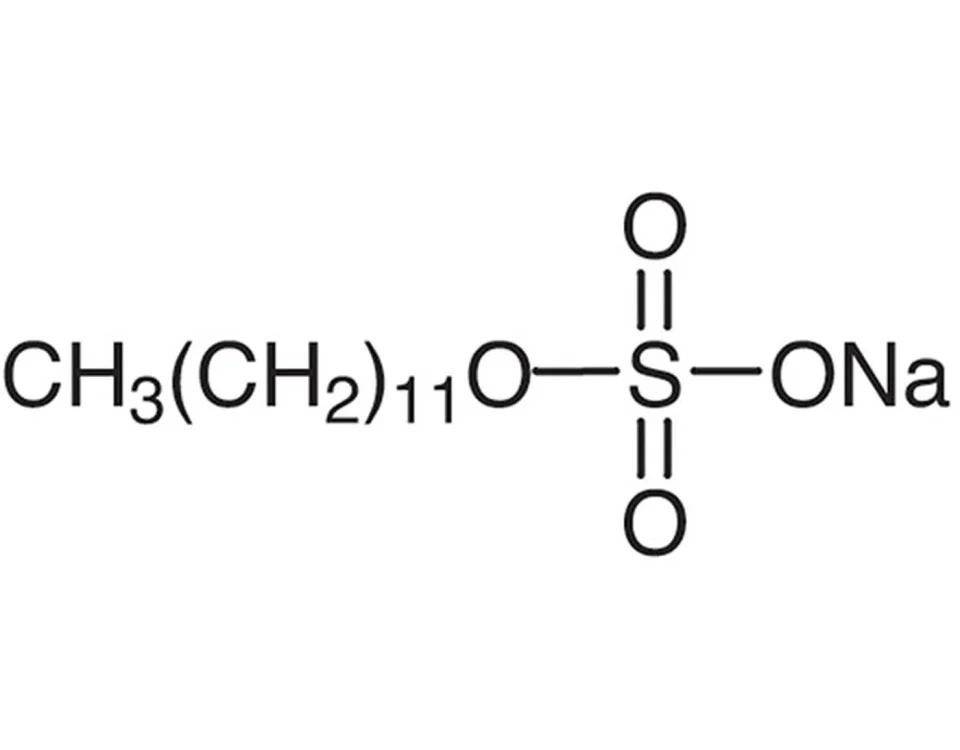
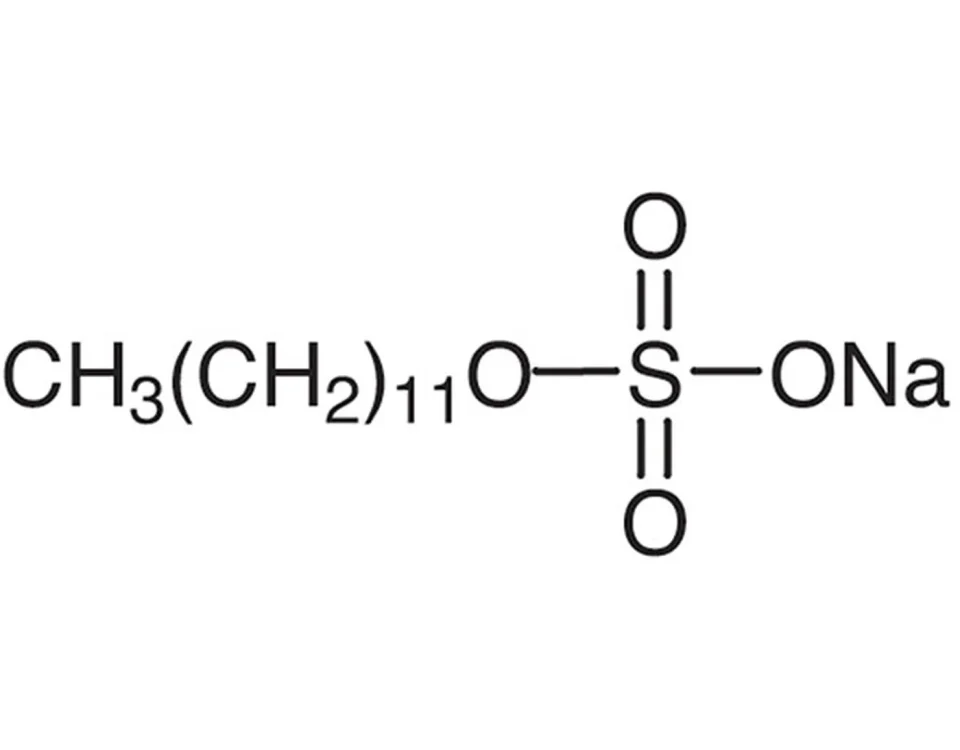
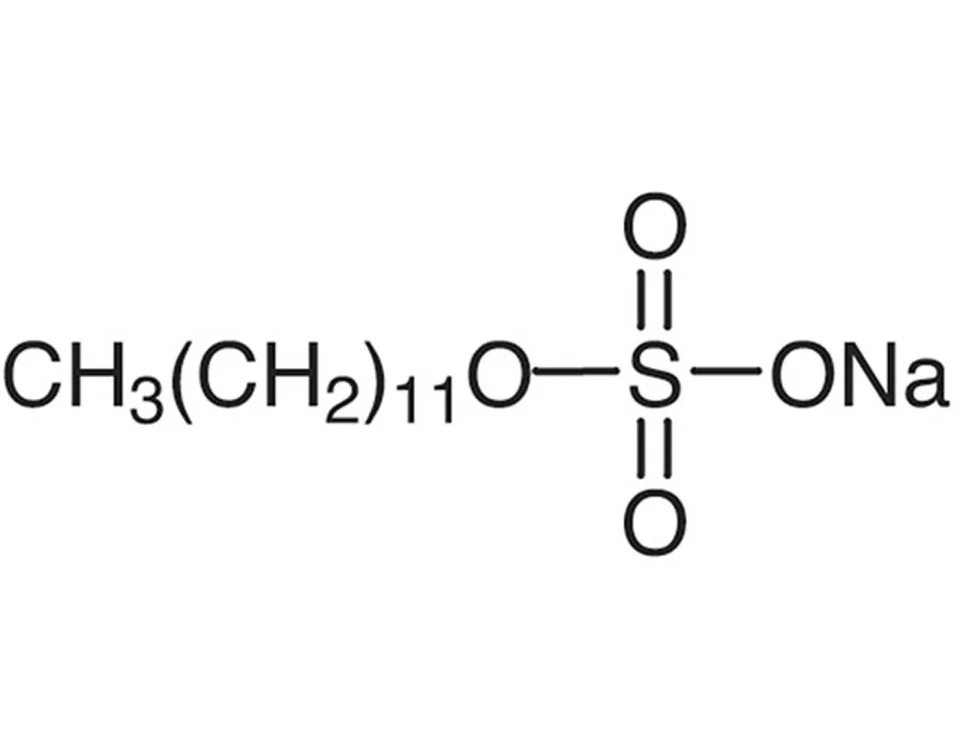
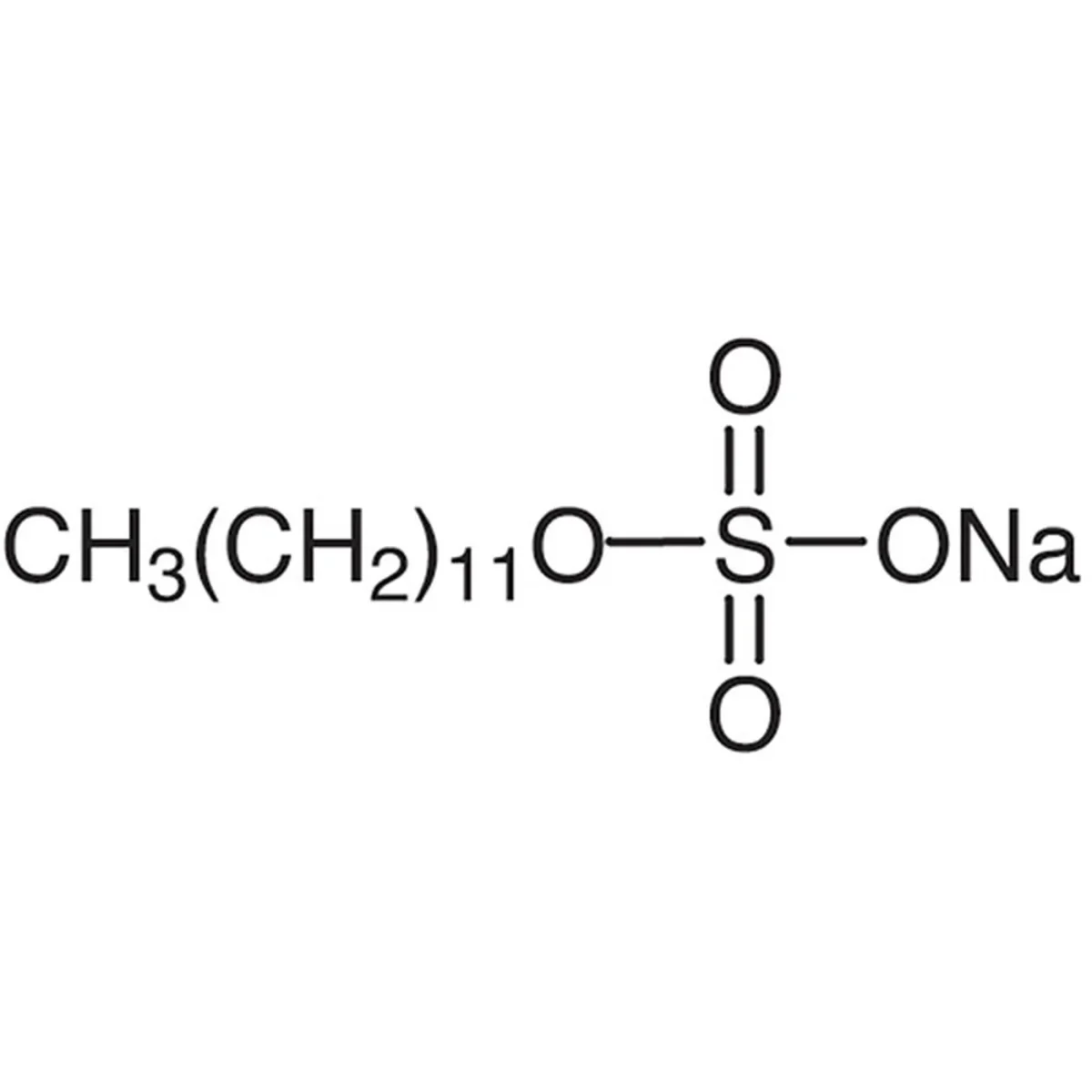
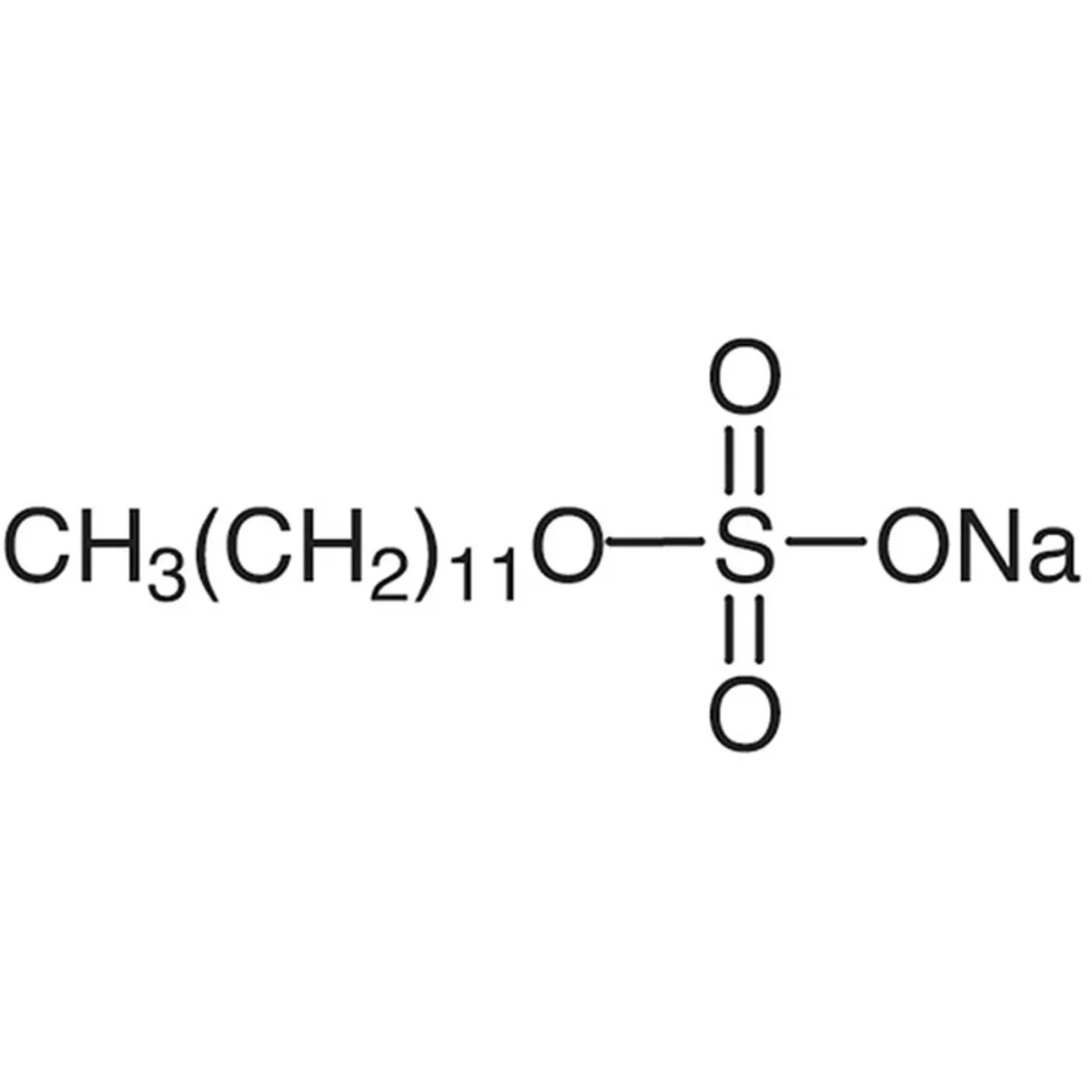
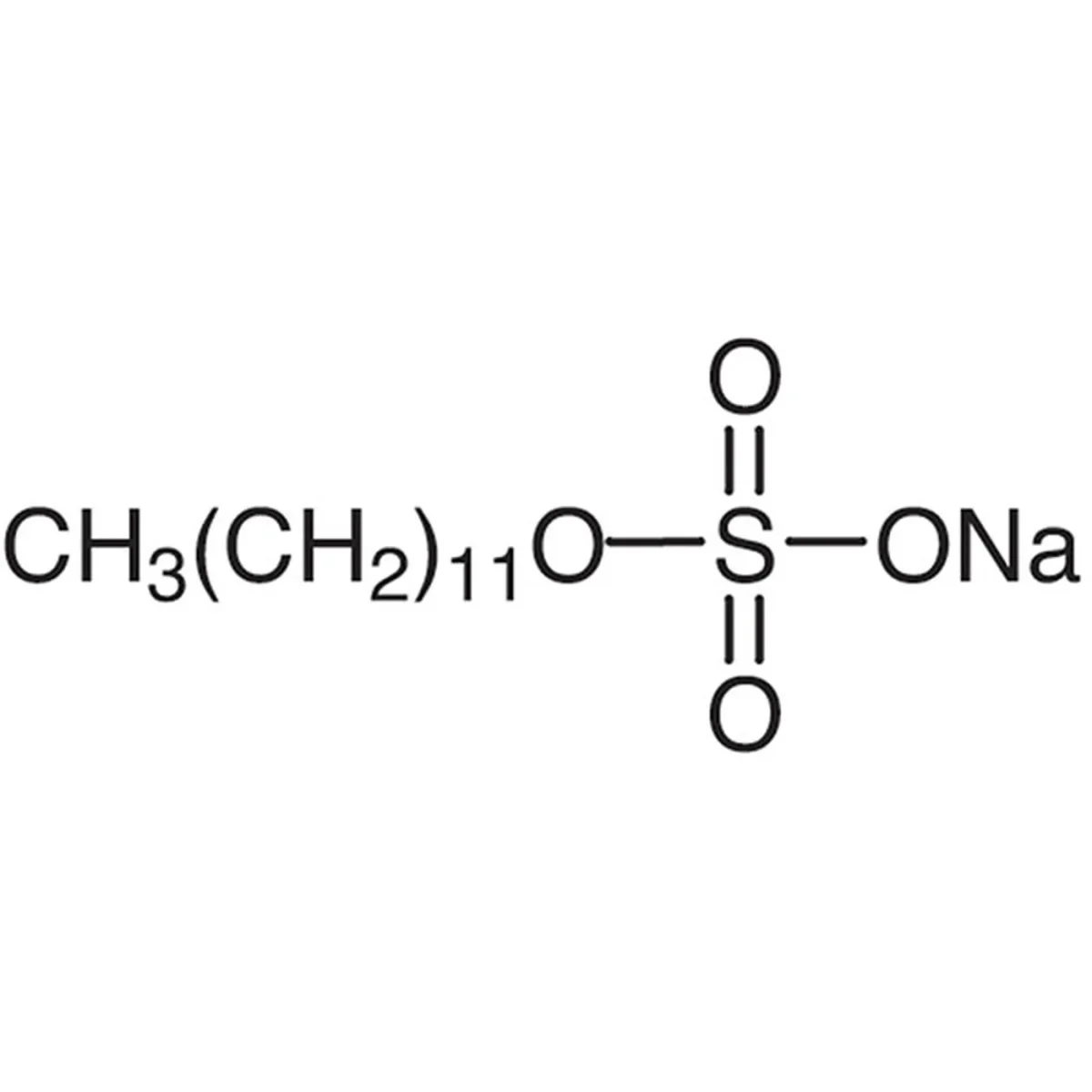
| Substance on the delivery note | CAS 151-21-3 |
| Assay acceptance (illustrative) | 92-95% active matter |
| pH of 1% solution (illustrative) | 7.5-9.5 |
| Checks on arrival | Titration assay and retention sample |
| Packing | 25 kg bags or drums (illustrative) |
Set the acceptance window before dispatch and request the COA/MSDS or request a sample from contact our team.
Short answer: CAS No 151-21-3 on a delivery note tells receiving staff which substance should be in the bags. It does not prove the contents. Incoming QC needs to confirm the formula on the TDS, assay the active matter, check pH and moisture, and keep a retention sample. ORID Chem issues a lot COA and MSDS with each shipment for that comparison.
Key takeaways
- The CAS number on a delivery note states the expected substance, not the measured result.
- Sample several bags across the pallet and reduce by quartering.
- Agree the titration method before setting an assay acceptance window.
- Wrong-chain or wrong-salt deliveries often look similar to the eye.
- Keep a sealed retention sample tied to the lot COA and the production batch.
What receiving staff should check on arrival
Start with the paperwork, not the drum. Match the CAS number on the delivery note, the MSDS composition section and the lot COA. Then confirm the grade name and production lot against the invoice. A mismatch in any one of those fields is cheaper to resolve before the bags are opened. Keep the container or seal number with the sample record.
Sampling a bag or drum correctly
Powder segregates in transit, so a single scoop from the top of one bag is not a lot sample. Take increments from several bags across the pallet, combine them, and reduce by quartering. Needle grades such as SLS 94% flow differently from fine SDS 99% powder, and that affects how the increments are drawn. Store the retention sample sealed and labelled with the lot number.
Assay by titration and the acceptance window
Anionic active matter is the first release test. Agree the titration method with the supplier before the contract, because two-phase and direct methods can disagree on the same lot. The table is illustrative; use the values on your own specification.
| Check | Illustrative target | Method | Why it matters |
|---|---|---|---|
| Active matter | 92-95% by grade | Anionic titration | Sets the dose |
| pH, 1% solution | 7.5-9.5 | pH meter | Compatibility with builders |
| Moisture | Low, grade dependent | Loss on drying | Caking in storage |
| Unsulfated matter | Below spec limit | Extraction | Foam and odour |
| Appearance | White needles or powder | Visual | Gross contamination |
Spotting a chain-length or salt mismatch
A delivery of the wrong sulfate can pass a superficial look. SLES paste, AOS powder and LDS all look like pale surfactant products but carry different CAS numbers and different titration behaviour. If the assay lands far outside the window, or the powder dissolves and foams in an unexpected way, hold the lot and ask for the composition statement. Our two-phase titration note covers the assay side of that check.
Retention samples and dispute handling
Keep a sealed sample from each lot for at least the shelf life of the finished product. Record the COA, the arrival date and the production batch that used it. If a formula drifts three weeks later, the retention sample separates a raw-material problem from a process problem. SLS 30% solution needs a separate liquid sample, since it can separate on long storage.
Setting the specification in the contract
Write the CAS number, the grade, the assay method, the acceptance limits and the document set into the purchase order. A price-only contract leaves the assay undefined. Buyers in India, Pakistan, Iran, Russia and Southeast Asia usually add a pre-shipment sample clause on the first order. Contact our team about the document format your QC system needs.
The same catalogue also lists SLS 92% powder. See liquid versus powder freight comparison for the numbers behind the dose.
Frequently asked questions
Does matching the CAS number prove the delivery is correct?
No. It confirms the paperwork describes the expected substance. Assay, pH and appearance tests on a proper sample confirm the contents.
How many bags should be sampled from a pallet?
Follow your own sampling plan or the relevant standard. The principle is to draw increments from multiple bags across the load, not one scoop from the top.
Why do our assay results differ from the supplier COA?
Different titration methods, sample preparation and moisture correction are the usual causes. Agree one method and one calculation basis before comparing numbers.
What should be stored as a retention sample?
A sealed, labelled portion of the composite sample, with the lot number, arrival date and COA attached. Liquid grades need their own container.
Can a different sulfate still pass an active-matter test?
It can return a plausible number, because several anionics titrate similarly. Cross-check the CAS number on the MSDS and the formula on the TDS as well.
Request a quote or a sample
Ask request the COA/MSDS for the lot before you plan incoming QC, and request a sample to validate the titration method. For bulk pricing, MOQ and lead time, request a quote with your assay window and destination port.
Written and reviewed by the ORID Chem technical team. Last updated: 16 November 2026. Figures marked illustrative are working values, not quotations. Confirm current specifications on the product TDS and lot COA before ordering.