| Item | Value |
|---|---|
| Document | 16-section Safety Data Sheet |
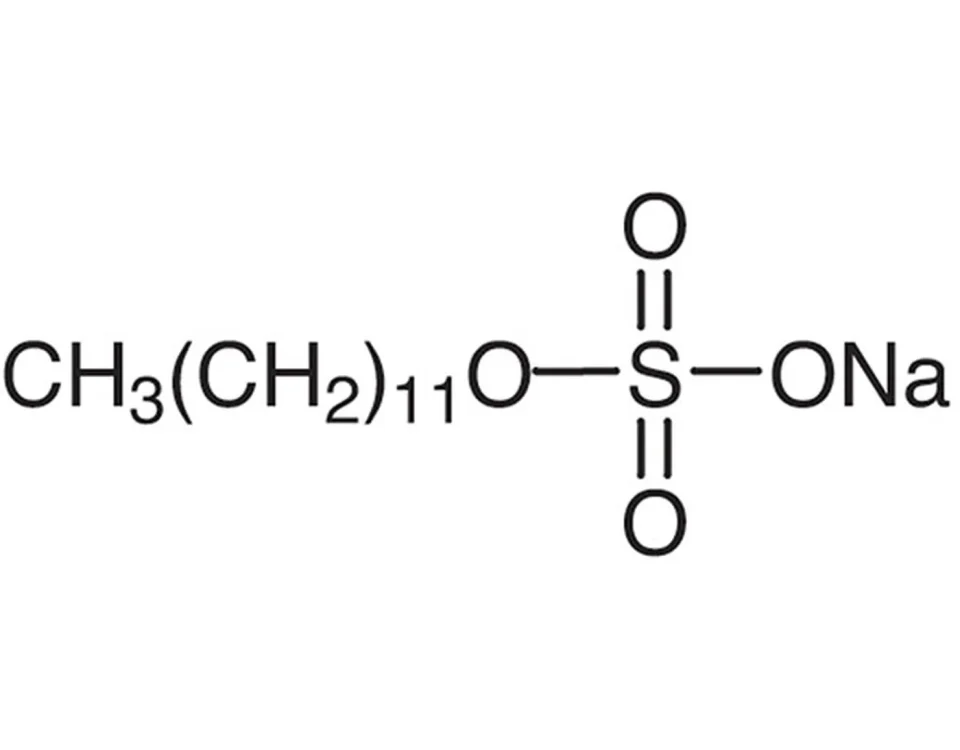
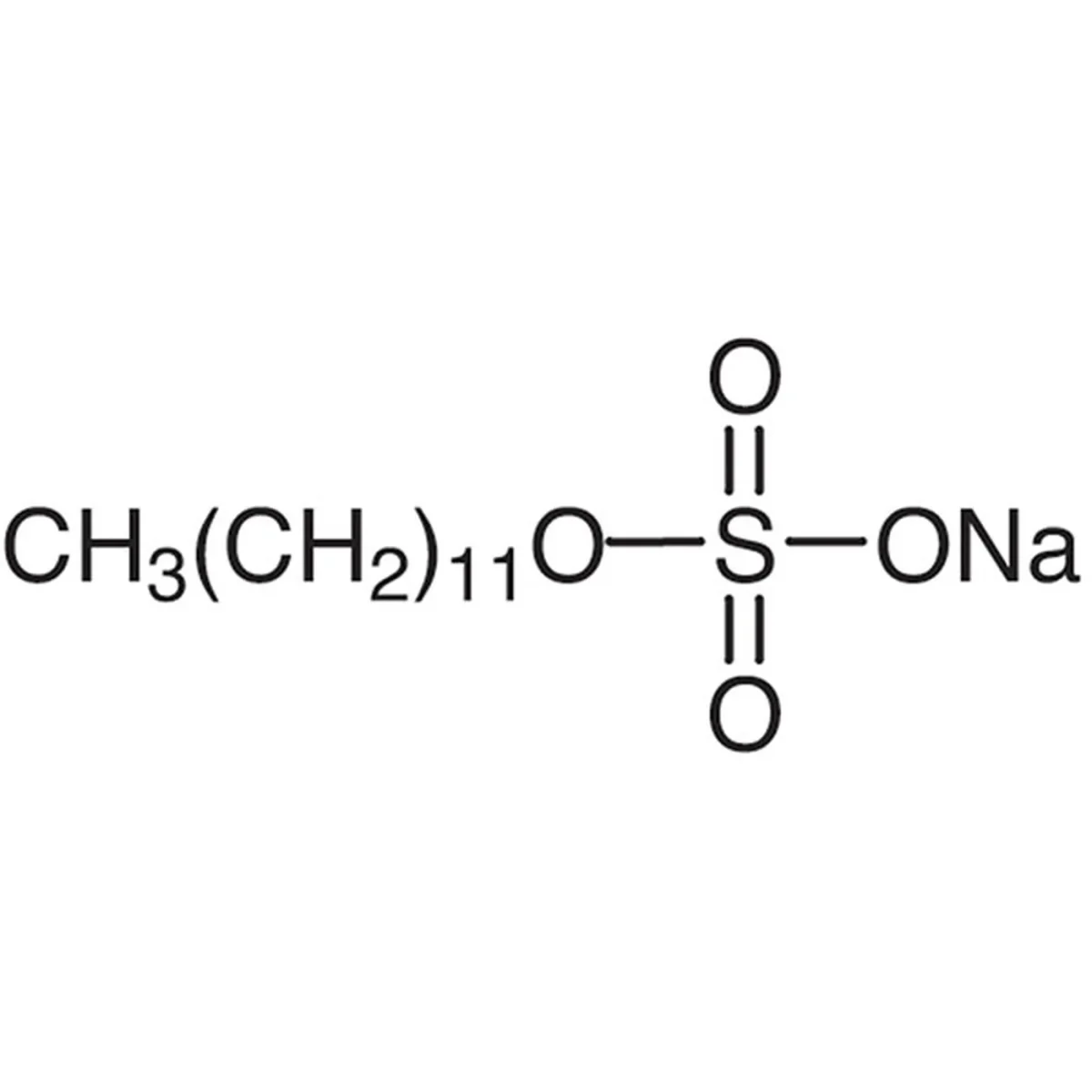
| Substance | CAS 151-21-3 |
| Sections 1-8 | Identity, hazards, first aid, handling |
| Sections 9-16 | Properties, toxicology, transport, revision |
| Not on this document | Lot assay, pH, unsulfated matter |
For the current Safety Data Sheet and bulk pricing, request a quote with your grade, and request the COA/MSDS in the same enquiry.
Short answer: An SDS page for sodium dodecyl sulfate is a 16-section Safety Data Sheet covering CAS 151-21-3, not a product datasheet. It sets out hazards, first aid, handling, storage, exposure control, transport and disposal. Buyers should request the current revision together with the TDS and lot COA, since the SDS carries no assay or grade information.
Key takeaways
- SDS here means Safety Data Sheet, a 16-section hazard and handling document.
- The section order is fixed, so information is findable across suppliers.
- Assay, pH and unsulfated matter appear on the COA, not on the SDS.
- Record the revision date and confirm which version ships with the lot.
- Request SDS, TDS and lot COA together, each showing CAS 151-21-3.
Two different documents behind one abbreviation
SDS means sodium dodecyl sulfate when a chemist writes it, and Safety Data Sheet when a logistics team writes it. Both appear on a supplier site. A product page gives assay, form and packing; a safety document gives hazard and handling information. Confusing the two is the most common reason a buyer asks for a COA and receives a hazard sheet instead.
What the 16 sections cover
The section order is fixed, so a reader can find the same information in any supplier’s document. Sections 1 to 3 identify the substance and its hazards, 4 to 8 cover first aid through exposure control, 9 to 11 give physical, stability and toxicological data, and 12 to 16 cover ecology, disposal, transport, regulation and revision details.
| Sections | Content | Who uses it |
|---|---|---|
| 1-3 | Identification, hazards, composition | Purchasing, regulatory |
| 4-6 | First aid, fire, accidental release | EHS team |
| 7-8 | Handling, storage, exposure control | Warehouse, plant |
| 9-11 | Properties, stability, toxicology | QC, formulator |
| 12-13 | Ecology, disposal | EHS team |
| 14-16 | Transport, regulation, other | Freight, import |
Hazard and handling lines buyers read first
Powder grades are dusty, so section 8 on exposure control and respiratory protection matters at the feed hopper. Eye and skin irritation lines belong in section 2. Section 7 gives the storage conditions that prevent caking and moisture pickup. Our SLS powder grades page describes the physical handling side; the SDS gives the safety wording, and the two should be read together.
Why an SDS carries no assay or grade data
A safety document is written for a substance or a grade family, not for a production lot. It will not tell you the active matter, the pH of a 1% solution or the unsulfated matter of the drum being shipped. Those lines belong on the lot COA and the TDS. Ask for all three documents in one enquiry, and check the CAS number matches on each.
Revision control and the version that ships
Safety documents are revised when classification or handling guidance changes, so quote the revision date in your purchase file. Confirm which version accompanies the lot and keep it with the MSDS, TDS and COA set. Our COA reading guide explains the assay side of that document set, and SDS 99% and SLS 92% each have their own current safety issue.
MSDS or SDS
MSDS is the older term for the same 16-section document. A request for either gets the current issue; specify the grade and CAS 151-21-3 so the right version is sent.
Requesting the current document with a quotation
State the grade, the destination and the language your EHS team needs. Buyers in India, Pakistan, Iran, Russia and Southeast Asia normally ask for the safety document before the vessel is booked, alongside the TDS and lot COA. Contact our team with the grade name and request the COA/MSDS; we will supply the current revision with the quotation.
For adjacent products see SLS 30% solution, SLS 93% powder, SLS 94% powder. Background reading: liquid versus powder freight comparison.
Documents compared
SDS covers hazards, TDS covers specification, COA covers the measured lot. A complete purchase file carries all three, each showing CAS 151-21-3.
Frequently asked questions
Is an SDS the same as an MSDS?
Yes, in current usage MSDS is the older name for the 16-section Safety Data Sheet. Ask for the current revision and state the grade and CAS number.
Will the SDS tell me the assay of my lot?
No. Assay, pH and unsulfated matter are measured lot values and belong on the COA. The SDS describes hazards and handling for the substance or grade family.
Which section covers warehouse storage?
Section 7, Handling and storage, with exposure controls in section 8. Read both when planning a feed hopper or a warm-warehouse layout.
Does every grade need its own SDS?
Grades with materially different composition or form may have separate documents. State the grade and CAS when requesting, so the correct revision is supplied.
How do I get the current document?
Request the COA/MSDS with the grade name and destination. We supply the current SDS revision alongside the TDS and lot COA.
Request a quote or a sample
For the current Safety Data Sheet, bulk pricing, MOQ and lead time on CAS 151-21-3, request a quote with your grade and destination. Request a sample for QC and request the COA/MSDS with the current revision.
Written and reviewed by the ORID Chem technical team. Last updated: 20 November 2026. Figures marked illustrative are working values, not quotations. Confirm current specifications on the product TDS and lot COA before ordering.