| Item | Value |
|---|---|
| Reagent assay (illustrative) | 97-99% active matter |
| Key COA lines | Assay, pH, unsulfated matter, salt, moisture |
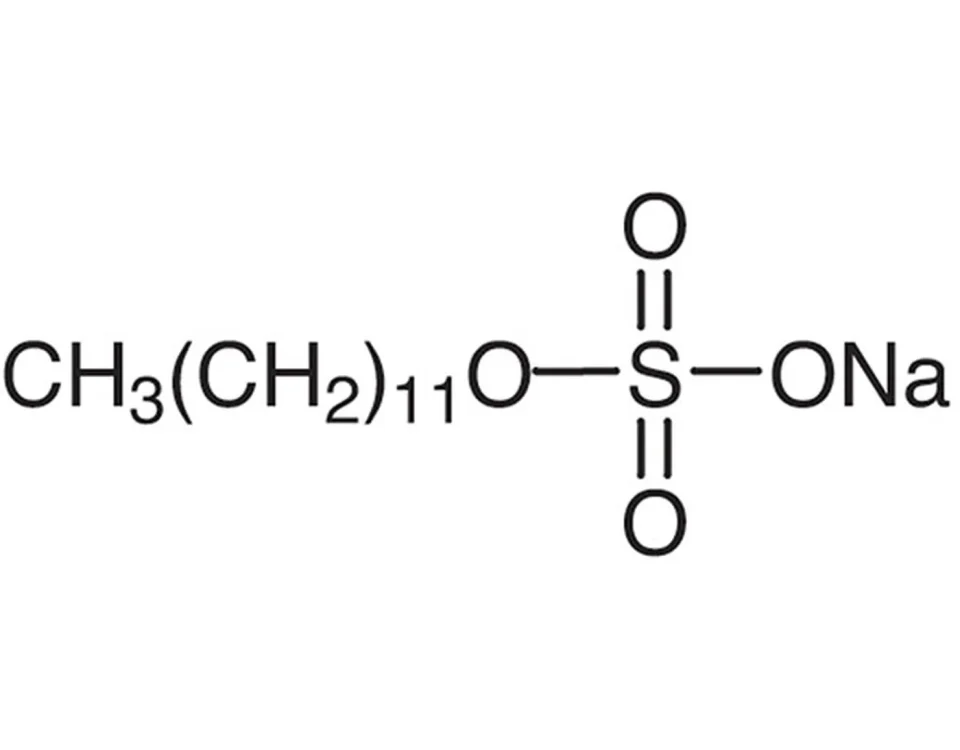
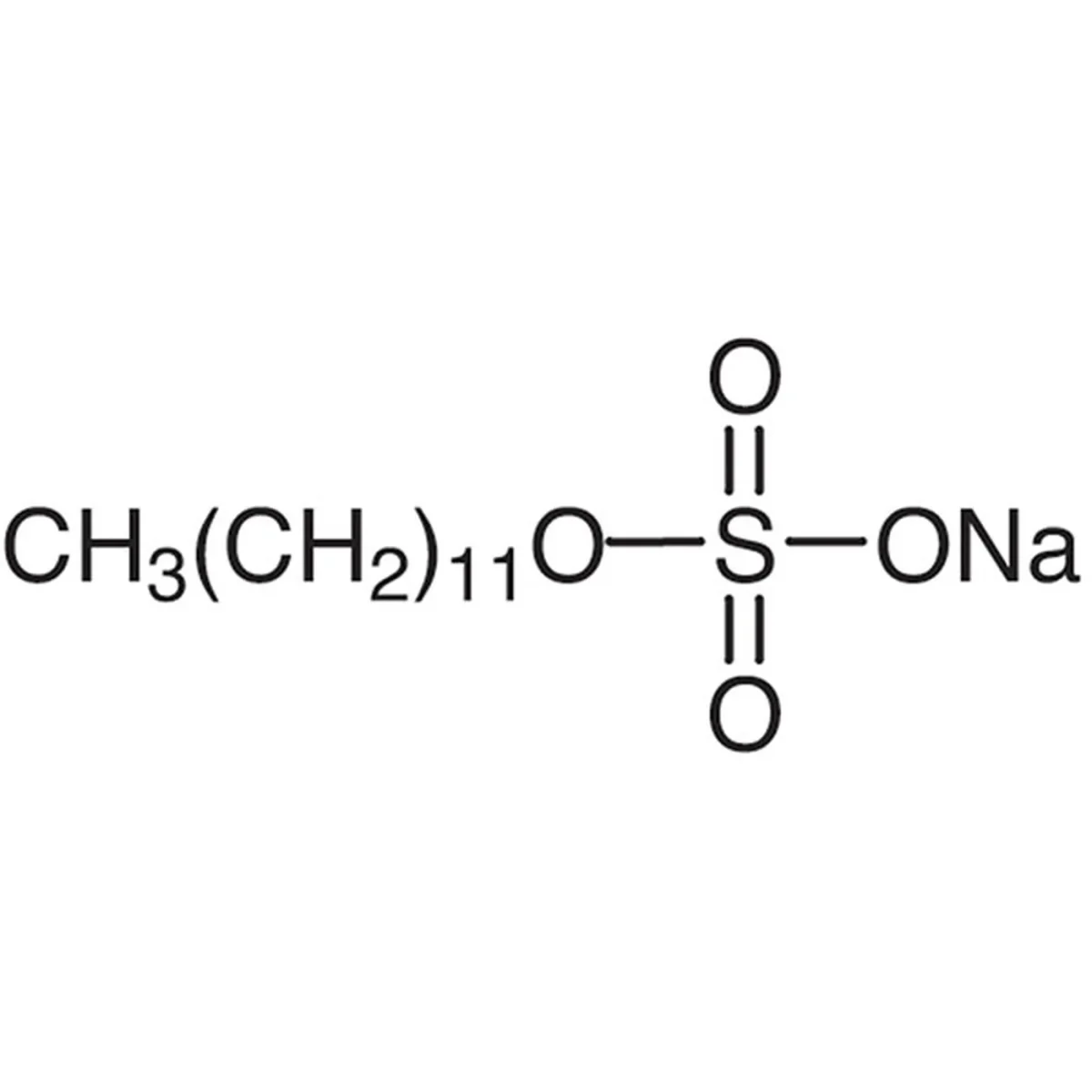
| CAS / formula | 151-21-3 / C12H25NaO4S |
| Pack options | Small container or 25 kg bag |
| Bulk MOQ | 1 tonne (illustrative) |
For reagent and bulk pricing, request a quote with your required assay and pack size, and request the COA/MSDS.
Short answer: Buyers using this phrase are usually looking for a reagent-catalogue specification rather than a detergent grade. That means high assay, tight impurity limits, a lot-specific COA and small-pack or documented bulk supply. ORID Chem offers CAS 151-21-3 at 97% and 99% active matter for analytical and electrophoresis work, with TDS, lot COA and MSDS on request.
Key takeaways
- A reagent-catalogue listing is defined by impurity limits and a lot COA, not by a trade name.
- Electrophoresis work is sensitive to salt, unsulfated matter and chain-length spread.
- CAS 151-21-3 is the same substance whether packed in grams or by the tonne.
- Compare catalogue and bulk quotes per kilogram of delivered active matter.
- State your assay method so the COA figures are comparable between suppliers.
What a reagent-catalogue listing normally specifies
A catalogue-grade sheet puts the assay first and then lists the impurities that would interfere with a laboratory method. For SDS that means low unsulfated alcohol, low inorganic salt, controlled moisture and a defined pH window in solution. It also states the CAS, formula and molar mass. A detergent TDS rarely goes into that detail, because a laundry powder plant cares about foam and cost per kilogram of active instead.
Specification lines that matter for analytical work
The table below is illustrative and describes the shape of a reagent specification, not a contractual set of limits. Confirm every figure on the current TDS and the lot COA before you qualify a supplier.
| Line item | Why it matters in the lab | Typical illustrative target |
|---|---|---|
| Active matter | Sets molar dose in buffers | 97-99% |
| Unsulfated matter | Can depress foam, add odour | Low, method-defined |
| Sodium sulfate | Shifts ionic strength | Controlled |
| Moisture | Affects weigh-out accuracy | Controlled |
| pH of 1% solution | Buffer compatibility | Near neutral to mildly alkaline |
| CAS / formula | Substance identity | 151-21-3 / C12H25NaO4S |
Why electrophoresis needs a tighter window
In SDS-PAGE the surfactant coats proteins at a roughly constant mass ratio. Extra salt changes ionic strength, unsulfated alcohol changes the effective concentration, and a broad chain-length distribution changes binding. A general detergent grade can still run a gel, but band consistency suffers between lots. Our emulsifier comparison discusses the same sensitivity from a polymerisation angle, and SDS 99% is the grade most often requested for this work.
Small packs, bulk packs and what changes between them
Laboratories buy in grams or kilograms and need a COA tied to a small lot. Plants buy by the tonne and need palletised packing with a document set per shipment. The substance is the same CAS 151-21-3; the packaging, the sampling plan and the price per kilogram differ. If you are scaling a method from bench to production, ask for both pack sizes from the same grade to avoid a requalification.
| Buyer | Typical pack | Document focus | Cost driver |
|---|---|---|---|
| Academic or QC lab | Small container | Lot COA with impurity lines | Packaging and handling |
| Pilot plant | 25 kg bag | TDS plus lot COA | Grade qualification |
| Full production | Palletised bags or drums | Per-shipment document set | Active matter delivered |
Comparing a catalogue quote with a bulk quote
Divide both by the delivered active matter and add freight. A catalogue price per 500 g looks high until you include the COA, the repacking and the small-lot testing already done. A bulk price looks low until you add your own incoming QC. The cost per kilogram of active matter example works through that conversion, and SDS 97% offers a middle option when full reagent purity is not required.
Documents to request before a reagent purchase
Ask for the current TDS, a lot-specific COA showing assay, pH, unsulfated matter and inorganic salt, plus the MSDS. State the analytical method you use for active matter so the assay is comparable. Contact our team with your application, pack size and monthly volume; we will confirm the current grade, packing and lead time. Our titration guide helps align the QC method.
Buyers comparing this entry often review SLS 30% solution and SLS 92% powder and SLS 93% powder and SLS 94% powder.
A note on catalogue names
The word sigma in this search phrase usually points to reagent-catalogue buying habits, not to a different chemical. Specify the substance by CAS 151-21-3 and by the impurity limits you need, and any supplier can be compared on equal terms.
Frequently asked questions
Is a reagent-grade SDS a different chemical from industrial SLS?
No. Both are C12H25NaO4S under CAS 151-21-3. The difference is the assay and the impurity window, which is much tighter on a reagent specification.
Can I use a 92% detergent powder for SDS-PAGE?
It may run, but higher salt and unsulfated matter can shift band consistency between lots. Use SDS 99% for method work and validate the first lot.
What should a lot COA show for analytical use?
Assay with the named titration method, pH of a defined solution, unsulfated matter, inorganic salt and moisture. Ask for the method description as well as the numbers.
Do you supply small laboratory packs?
Tell us the pack size and volume you need with your enquiry. Bulk terms are illustrative 25 kg bags or drums and a one-tonne MOQ; smaller requests are handled case by case.
Which grade is a reasonable middle option?
SDS 97% suits many analytical uses where 99% is not required. Request a sample and run your own method before deciding.
Request a quote or a sample
For reagent and bulk pricing, MOQ and lead time on CAS 151-21-3, request a quote with your required assay and pack size. Request a sample for method validation and request the COA/MSDS before ordering.
Written and reviewed by the ORID Chem technical team. Last updated: 20 November 2026. Figures marked illustrative are working values, not quotations. Confirm current specifications on the product TDS and lot COA before ordering.