| Item | Value |
|---|---|
| Chemical class | Anionic alkyl sulfate ester |
| CAS / EC | 151-21-3 / 205-788-1 |
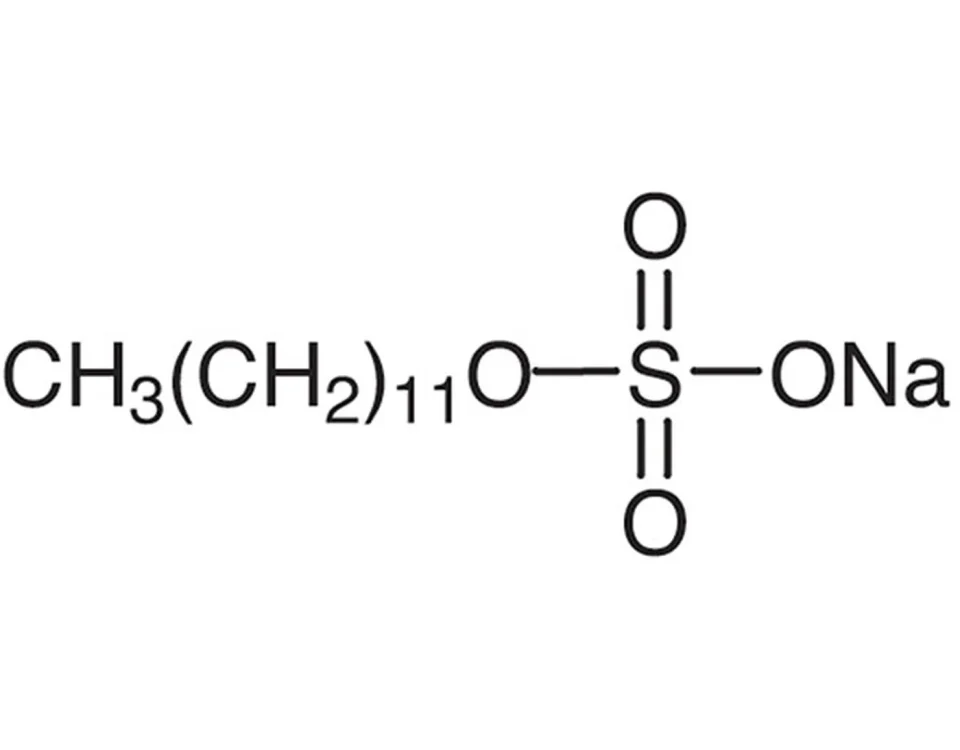
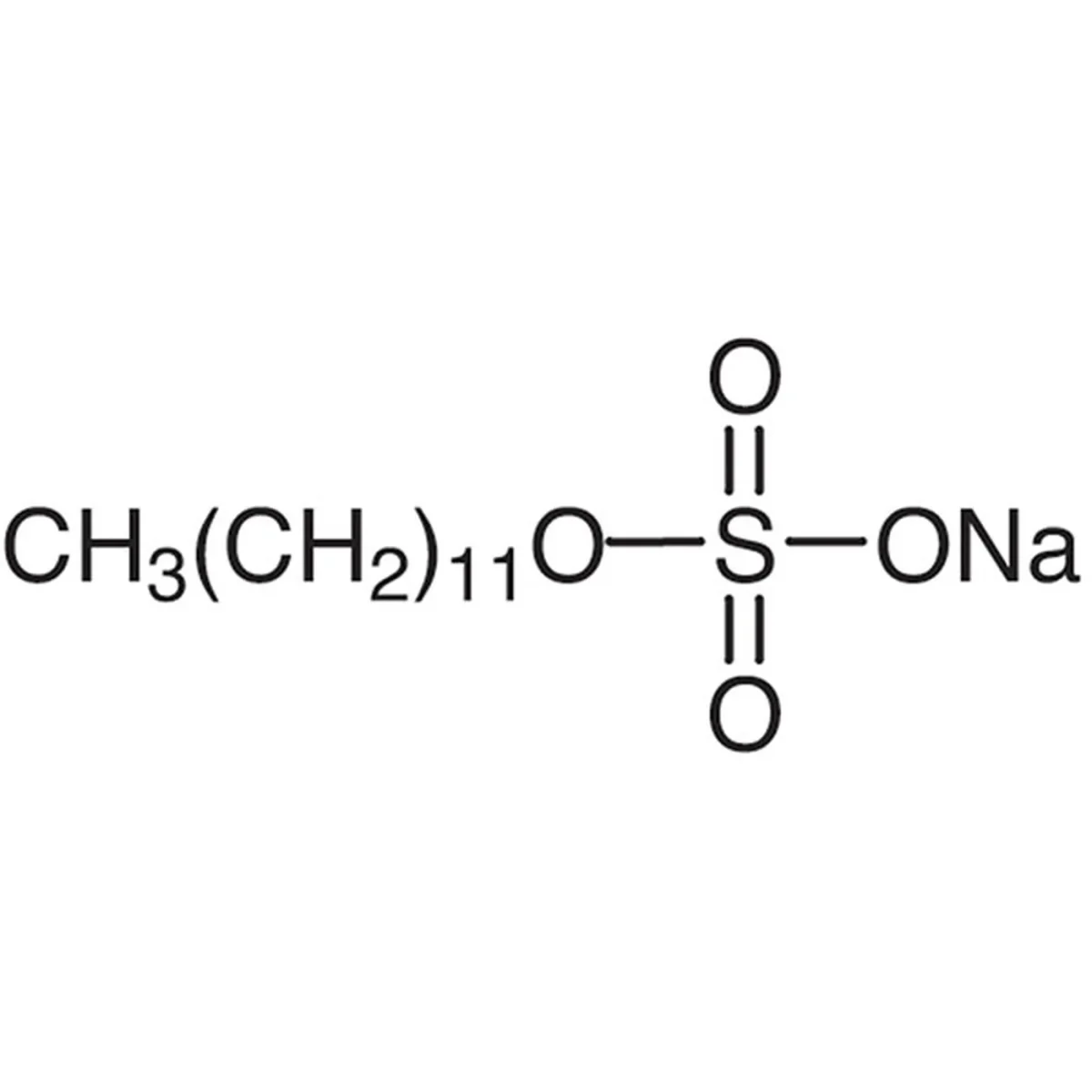
| Formula / molar mass | C12H25NaO4S / 288.38 g/mol |
| INCI | Sodium Lauryl Sulfate |
| Assay range (illustrative) | 92-99% active matter |
For a named chemical grade, request the COA/MSDS from contact our team or request a quote with your target assay and destination port.
Short answer: Sodium dodecyl sulfate is an anionic sulfate ester surfactant, formula C12H25NaO4S, registered under CAS 151-21-3 and EC 205-788-1. The name covers one chemical substance sold at several purity levels. ORID Chem lists powder grades from 92% to 99% active matter plus a 30% aqueous solution.
Key takeaways
- It is an anionic alkyl sulfate ester with formula C12H25NaO4S and CAS 151-21-3.
- The sulfate ester C-O-S bridge differs from the direct C-S bond of a sulfonate.
- CAS, EC 205-788-1, INCI and molar mass anchor the chemical identity on documents.
- High HLB and a CMC near 8 mmol/L shape foam and wetting behaviour.
- Industrial and laboratory uses share one chemical but different impurity limits.
Which chemical family does this substance belong to?
It is an alkyl sulfate, meaning a fatty alcohol chain joined to a sulfate ester group with a sodium counterion. In water the molecule dissociates: a negatively charged C12 surface-active ion and a sodium ion. That charge is what makes it an anionic surfactant and what drives foam, wetting and detergency. It is also the reason the substance interacts strongly with cationic ingredients.
Sulfate ester versus sulfonate, in one comparison
The distinction is a single oxygen atom with real consequences. A sulfate ester carries a C-O-S bridge; a sulfonate has a direct C-S bond. The sulfonate holds up better in hard water and at extremes of pH, while the sulfate ester gives dense foam and is easier to formulate in toothpaste and shampoo.
| Feature | Alkyl sulfate (SDS) | Olefin sulfonate (AOS) |
|---|---|---|
| Head group linkage | C-O-S ester | C-S direct bond |
| Typical CAS | 151-21-3 | 68439-57-6 |
| Hard-water tolerance | Moderate | Good |
| Common use | Foam, toothpaste, electrophoresis | Laundry powder, hard-water cleaners |
| Example grade | SDS 99% | AOS 95% |
Identity numbers that should appear on the specification sheet
A chemical is pinned down by several independent identifiers. CAS identifies the substance, the EC number places it in European inventory listings, and the INCI name governs cosmetic label wording. Missing identifiers are a reason to ask for a full TDS before comparing a low quote against a known grade.
| Identifier | Value for this chemical | Where it is used |
|---|---|---|
| CAS | 151-21-3 | PO, TDS, MSDS, customs |
| EC / EINECS | 205-788-1 | Regulatory and labelling files |
| Molecular formula | C12H25NaO4S | QC method and molar dose |
| INCI | Sodium Lauryl Sulfate | Cosmetic label artwork |
| Molar mass | 288.38 g/mol | Buffer preparation |
HLB, CMC and what a formulator takes from them
A high HLB value puts this chemical firmly in the hydrophilic range, which suits oil-in-water emulsions and detergent systems. Critical micelle concentration sits around 8 mmol/L at room temperature in published work, a literature figure rather than a specification. Together the two numbers tell you roughly where foam and wetting start to build. Our wetting time comparison puts measured working values beside SLS, AOS and SLES.
Industrial and laboratory uses of the same chemical
Detergent plants dose it for foam and soil removal, toothpaste makers for a controlled foam profile, and emulsion polymerisation lines for particle stability. Laboratories use a high-purity grade to denature proteins before electrophoresis. The chemical is identical; the acceptable impurity window is not. SDS 97% and SDS 99% serve the tighter end, while SLS 93% covers general detergent work.
Verifying the chemical on incoming QC
Check the CAS number against the label, confirm the formula on the method sheet, then measure active matter by an agreed titration method. pH of a 1% solution, unsulfated matter and moisture complete the picture. Our two-phase versus direct titration note explains why two labs can return different assay values on one lot, and contact our team can supply a sample for method validation.
The same catalogue also lists SLS 30% solution.
Frequently asked questions
Is sodium dodecyl sulfate a sulfate or a sulfonate?
A sulfate ester. The C12 chain connects to the sulfate group through oxygen. Olefin sulfonates and alkyl benzene sulfonates have a direct carbon-sulfur bond instead.
What is EC 205-788-1 used for?
It is the inventory identifier used in regulatory and labelling paperwork. It sits beside the CAS number rather than replacing it, and both should appear on the TDS.
Why do toothpaste buyers reject a general detergent grade?
The chemical is the same, but taste, colour and unsulfated matter limits are tighter. Request a lot COA against your own specification instead of assuming interchangeability.
Does the chemical behave the same at high pH?
The sulfate ester can hydrolyse under sustained strongly acidic or alkaline conditions. Check the pH window on the TDS and run a stability hold in your own matrix.
Which grade should a first-time buyer sample?
For detergent work start with SLS 92%; for electrophoresis or analytical work start with SDS 99%. Both are illustrative starting points.
Request a quote or a sample
For bulk pricing, MOQ and lead time on CAS 151-21-3, request a quote with your application and target assay. Request a sample for QC validation and request the COA/MSDS before the first order.
Written and reviewed by the ORID Chem technical team. Last updated: 20 November 2026. Figures marked illustrative are working values, not quotations. Confirm current specifications on the product TDS and lot COA before ordering.