If you formulate or source surfactants, the SLS vs SLES question comes up in almost every project meeting. Both are anionic surfactants, both are workhorses of the cleaning and personal care industry, and both sit on the same shelf in most raw material catalogs. Yet they behave differently enough that choosing the wrong one can change how your product feels, performs, and is perceived by consumers.
This guide explains the real differences between sodium lauryl sulfate (SLS) and sodium laureth sulfate (SLES), where each one wins, and what buyers should check before placing an order.
SLS vs SLES: the one-sentence answer
SLS is the stronger, more economical cleanser; SLES is the milder, better-feeling one. SLS is made by sulfating lauryl alcohol. SLES starts from the same alcohol but goes through an extra ethoxylation step before sulfation, which softens its behavior on skin and improves foam quality.
Chemical difference in plain language
Both molecules share the same C12 hydrophobic tail and a sulfate head group. The difference is that SLES carries a short chain of ethylene oxide (EO) units — usually around 2 EO in the common commercial grade — between the tail and the sulfate. That small structural change does three things:
- It makes the molecule larger and less penetrating on skin, which lowers irritation potential.
- It changes how the surfactant packs at interfaces, producing a denser, creamier foam.
- It improves tolerance to water hardness compared with many sulfate esters.
Note that SLS and sodium dodecyl sulfate (SDS) are two names for the same molecule (CAS 151-21-3). SLES is a different compound (CAS 68585-34-2). Confusing SLS with SLES is one of the most common sourcing mistakes we see.
Performance comparison
| Property | SLS | SLES |
|---|---|---|
| Cleansing / degreasing power | Excellent | Very good |
| Foam volume | High, fast flash foam | High, denser and creamier |
| Mildness on skin | Lower — can feel stripping | Higher — preferred for frequent skin contact |
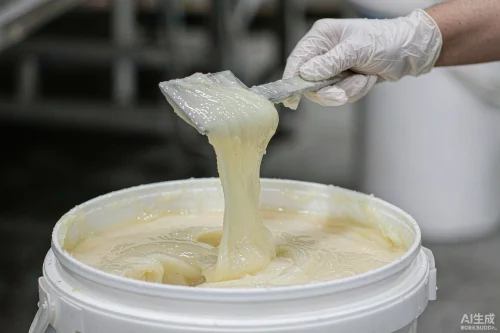
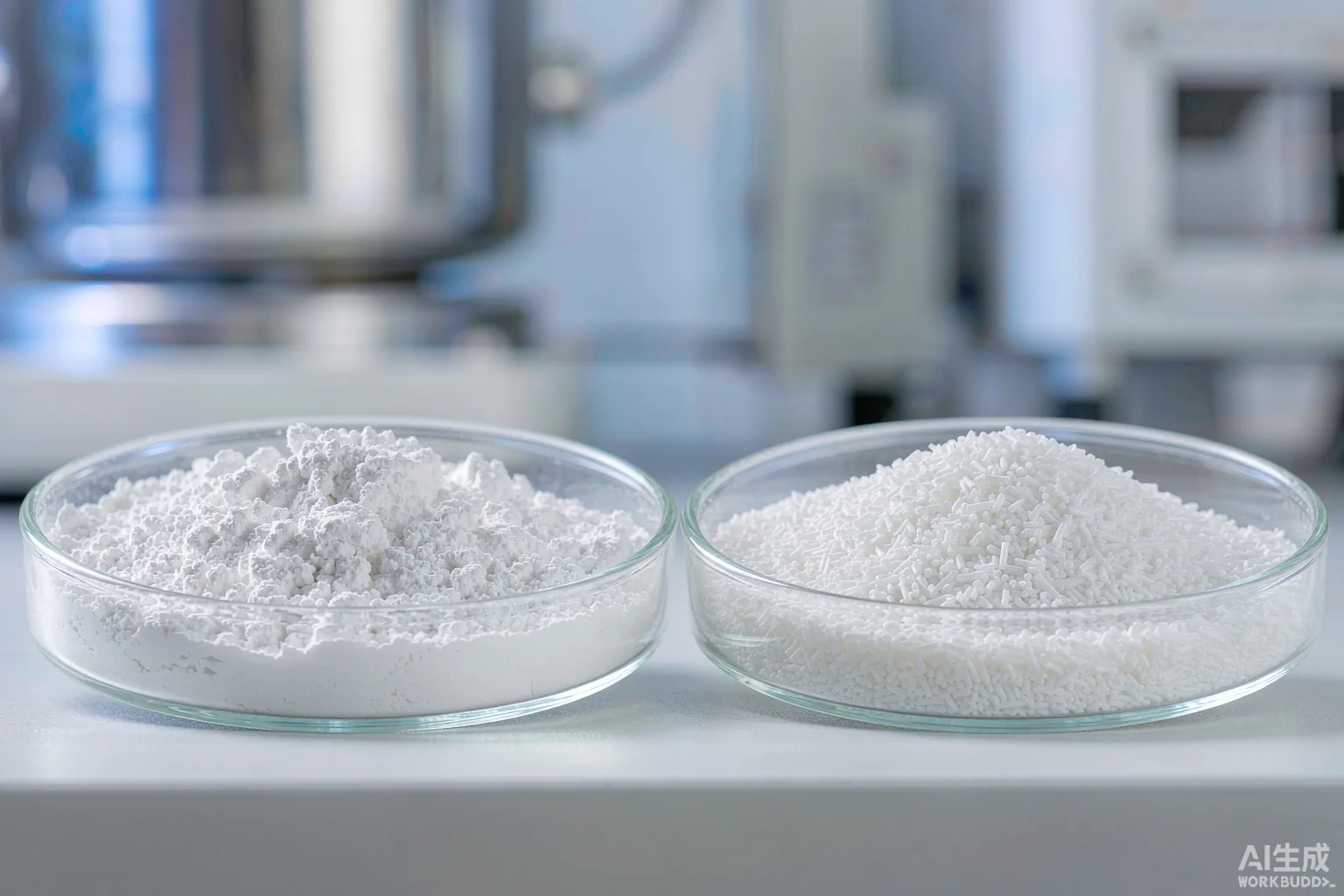
| Typical commercial forms | Powder / needles (92–95% active), 30% liquid | 70% paste, 28% liquid |
| Raw material cost | Lower | Slightly higher |
| Ethoxylation byproducts | None (not ethoxylated) | Trace 1,4-dioxane possible — controlled by reputable producers |
Which applications prefer which surfactant?
Different end products prioritize different properties. Based on how the industry actually formulates:
| Application | Preferred choice | Why |
|---|---|---|
| Toothpaste | SLS | Fast foam, strong plaque-film removal, long regulatory track record in oral care |
| Shampoo (daily use) | SLES | Milder on scalp, creamier lather consumers expect |
| Body wash / hand soap | SLES | Frequent skin contact favors the milder molecule |
| Dishwashing liquid | SLS or SLS/SLES blend | Grease cutting matters more than mildness |
| Laundry and powder detergents | SLS (often with AOS) | Strong detergency, dry-form compatibility, cost |
| Industrial and institutional cleaners | SLS | Maximum degreasing per dollar |
| Clarifying shampoo | SLS or SLS/SLES blend | Deep oil and buildup removal |
Can SLES replace SLS in your formula?
In many rinse-off personal care products, yes — and the market has been moving that way for a decade. Most mainstream shampoos and body washes now run on SLES, usually blended with an amphoteric co-surfactant such as cocamidopropyl betaine (CAPB) to further reduce irritation and stabilize foam.
But SLS still wins where its specific strengths matter:
- Toothpaste. SLS remains the standard foaming agent in most commercial toothpaste. Its rapid foam and dispersing action help spread abrasives and flavors evenly, and it has decades of safe-use history in oral care.
- Heavy-duty cleaning. When the job is degreasing — dish liquids, hard-surface cleaners, industrial formulas — SLS delivers more cleaning power per unit cost.
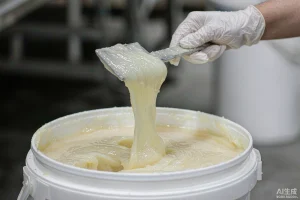
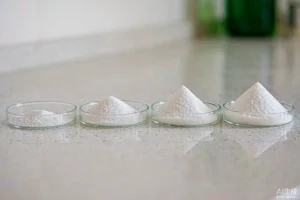
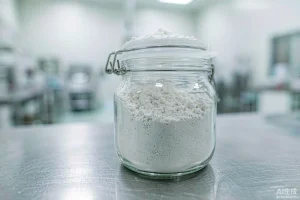
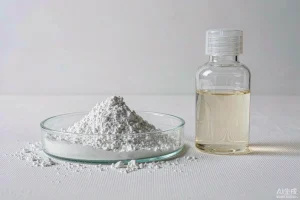
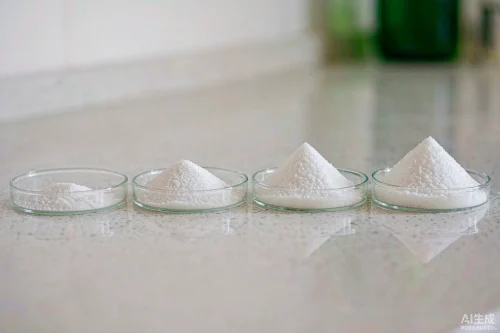
- Dry products. Powder detergents, cleaning tablets and solid formats need a dry raw material. SLS is supplied as powder or needles at 92–95% active matter; SLES is normally a 70% paste or 28% liquid.
- Emulsion polymerization and lab use. High-purity SLS/SDS (97–99%) is a standard emulsifier and electrophoresis reagent where SLES would be the wrong tool entirely.
What buyers should check before ordering either one
Whichever surfactant you choose, the name on the drum is not enough. Ask your supplier for:
- Active matter content — compare prices on an active-matter basis, not per kilogram of product.
- Physical form — SLS powder vs needles vs 30% liquid behave very differently on a production line.
- Impurity profile — for SLS: unsulfated alcohol and inorganic salts; for SLES: unsulfated matter plus a stated 1,4-dioxane limit.
- Documentation — a certificate of analysis (COA) per batch, a technical data sheet (TDS), and a safety data sheet (SDS).
- Batch-to-batch consistency — request retained samples from previous lots if you are qualifying a new supplier.
Our SLS and SLES range
We manufacture and export both surfactants in the grades the market actually uses:
- Sodium Lauryl Sulfate 92% (SLS92) — powder for detergent and cleaning formulations
- Sodium Lauryl Sulfate 93% (SLS93) — general-purpose grade
- Sodium Lauryl Sulfate 94% (SLS94) — higher-active powder and needles
- Sodium Lauryl Sulfate 30% (SLS30) — ready-to-use liquid form
- Sodium Lauryl Ether Sulfate (SLES) — for personal care and liquid detergent formulations
Not sure which grade fits your formula? Send us your target application and specification — our technical team will recommend a grade and provide samples with full COA, TDS and SDS documentation.
References
- Cosmetic Ingredient Review (CIR) safety assessments of Sodium Lauryl Sulfate and Sodium Laureth Sulfate
- USP–NF monograph: Sodium Lauryl Sulfate (harmonized standard)
- Published market analyses of anionic surfactant demand in personal care and detergent applications, 2025–2026