| Item | Value |
|---|---|
| Registry number | CAS 151-21-3 |
| Synonyms | SLS, SDS, lauryl sodium sulfate |
| EC / INCI | 205-788-1 / Sodium Lauryl Sulfate |
| Documents carrying the number | PO, TDS, COA, MSDS, packing list |
| Packing (illustrative) | 25 kg bags or drums, 1 tonne MOQ |
For bulk pricing and MOQ under CAS 151-21-3, request a quote with your port and monthly volume, and request the COA/MSDS.
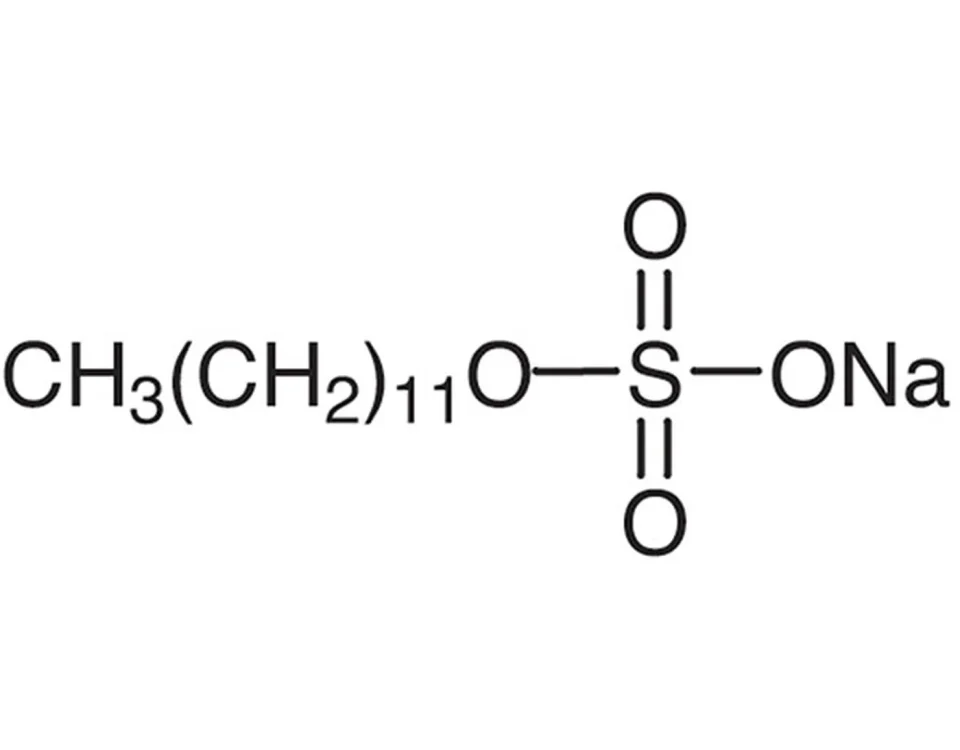
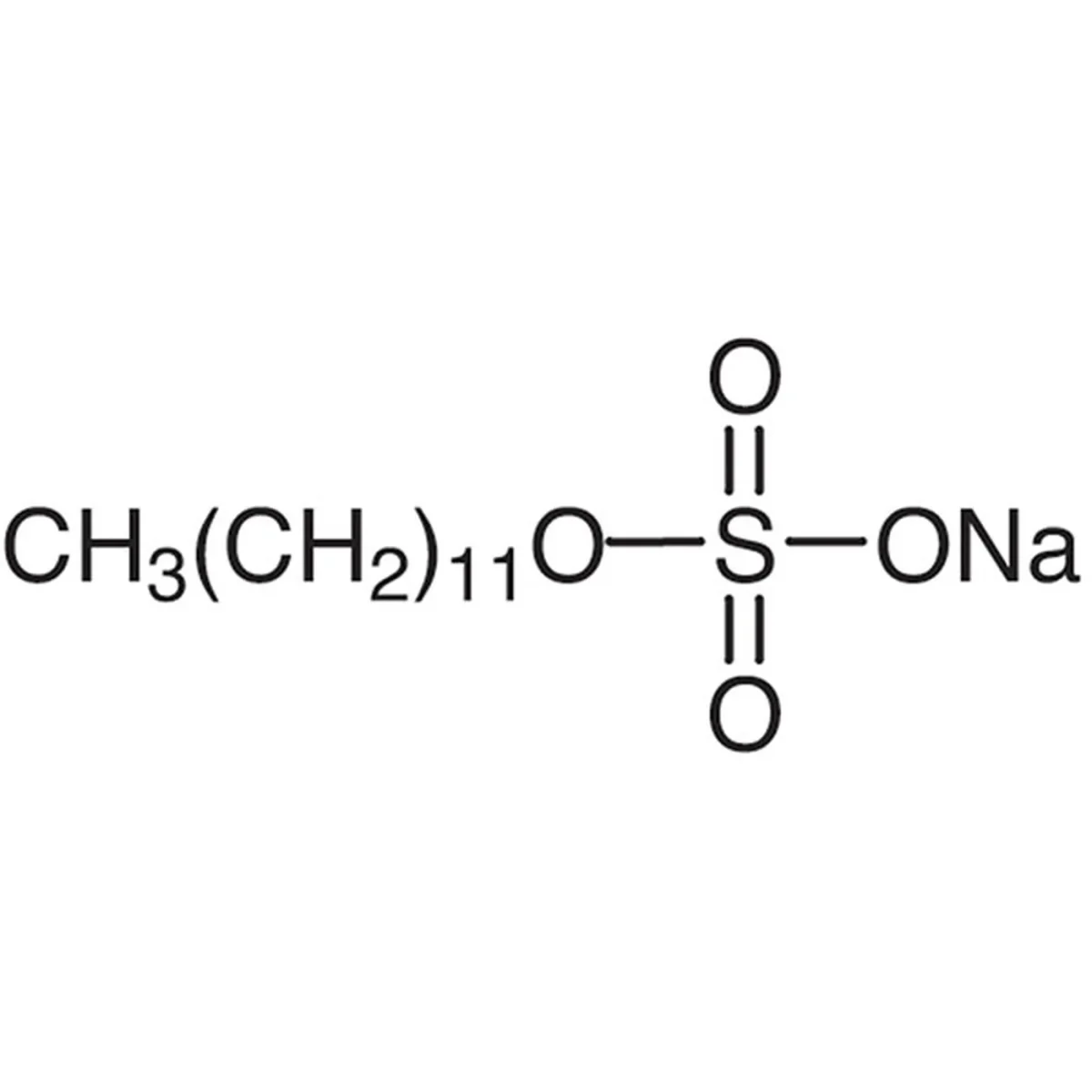
Short answer: The CAS number is 151-21-3. It registers the linear C12 sodium alkyl sulfate ester with formula C12H25NaO4S, whatever trade name appears on the bag. Sodium lauryl sulfate and sodium dodecyl sulfate both resolve to this single entry. Put the number on the purchase order, the label artwork and the MSDS request.
Key takeaways
- CAS 151-21-3 identifies the substance, independent of commercial grade or assay.
- SLS, SDS, lauryl sodium sulfate and the INCI name all resolve to the same entry.
- Put the number on the PO, proforma invoice, packing list and label artwork.
- SLES, AOS and LDS carry different registry numbers and different chemistry.
- A CAS number and an HS code are not interchangeable on customs files.
What CAS 151-21-3 actually registers
A registry number identifies a substance, not a purity level or a supplier. 151-21-3 covers the sodium salt of dodecyl hydrogen sulfate with a linear C12 chain. A 92% detergent powder and a 99% reagent powder both sit under it. Buyers who read the number as a grade code end up comparing a powder quote with a liquid quote and miss the cost of shipping water.
Why SLS and SDS share one registry entry
Sodium lauryl sulfate is the older commercial name, sodium dodecyl sulfate the systematic laboratory name. Both describe the same molecule. A French sheet may read dodécylsulfate de sodium and an older formulation card lauryl sodium sulfate. None of these changes the CAS number, the formula or the molar mass.
| Name on the document | Typical channel | CAS |
|---|---|---|
| Sodium lauryl sulfate (SLS) | Detergent and personal care purchasing | 151-21-3 |
| Sodium dodecyl sulfate (SDS) | Laboratory catalogues | 151-21-3 |
| Lauryl sodium sulfate | Older formulation sheets | 151-21-3 |
| Sodium Lauryl Sulfate (INCI) | Cosmetic labels | 151-21-3 |
| Lithium dodecyl sulfate | Cold-run electrophoresis | 2044-56-6 |
Where the CAS number belongs in the document set
Print 151-21-3 on the purchase order, the proforma invoice, the packing list and the label artwork. Customs and safety documentation normally carry it as well. A quote listing only a trade name leaves room for an ethoxylated sulfate to arrive instead. Our COA reading guide explains which analytical lines should sit beside the number on the lot certificate.
Checking a low quote against the registry number
Three questions settle most mismatches. Does the quoted TDS show 151-21-3 alongside C12H25NaO4S? Is the counterion sodium rather than lithium or ammonium? Is the active matter measured by the same titration method your incoming QC uses? Illustrative commercial terms for bulk orders are 25 kg bags or fibre drums and a one-tonne MOQ; confirm current terms before planning production.
Registry numbers that are easy to confuse with 151-21-3
Ethoxylated sulfates, sulfonates and other counterion salts each carry their own number. Writing the wrong one on a PO is a common source of a wrong delivery. Compare the CAS, the formula and the head group together rather than relying on a product name.
| Product | CAS | Difference from 151-21-3 |
|---|---|---|
| Sodium dodecyl sulfate | 151-21-3 | The substance itself |
| Sodium lauryl ether sulfate | 68585-34-2 | Ethoxylated before sulfation |
| Alpha olefin sulfonate | 68439-57-6 | Sulfonate, C14-16 chain |
| Lithium dodecyl sulfate | 2044-56-6 | Lithium counterion |
Requesting the number with your first order
Ask for a TDS, a lot-specific COA showing assay and pH, and the current MSDS, each carrying 151-21-3. SLS / SDS grade listings, SLS for sale and SLS powder pages all refer to this same registry entry. Contact our team with your destination port and required assay to confirm current packing and lead time.
Our liquid versus powder freight comparison covers the application side.
CAS number versus HS code
A CAS number identifies a chemical substance; an HS code classifies goods for customs. Both appear on export paperwork and they answer different questions, so do not substitute one for the other.
Frequently asked questions
Does a 99% reagent grade have a different CAS number?
No. Purity belongs on the specification sheet. 92% powder and 99% reagent powder share 151-21-3 because the substance is the same.
Is sodium lauryl sulfate CAS 151-21-3 the same chemical as SDS?
Yes. Both names describe the linear C12 sodium alkyl sulfate ester. Check the formula and molar mass on the TDS if a supplier uses an unfamiliar name.
Should the CAS number be printed on the drum label?
Import and safety paperwork normally carries it. Label content varies by destination, so agree the artwork with your consignee and keep the number on the packing list in any case.
What is the CAS number for sodium laureth sulfate?
68585-34-2 for SLES. Ethoxylation changes the molecule, the molar mass and the mildness profile, so it is a separate registry entry.
Which documents should accompany a first enquiry?
A TDS with the CAS and formula, a lot COA with assay and pH, and the current MSDS. Request the COA/MSDS and a sample for method validation.
Request a quote or a sample
For bulk pricing, MOQ and lead time on CAS 151-21-3 grades, request a quote with your destination port and monthly volume. Request a sample before locking the formula and request the COA/MSDS to check the registry number on every document.
Written and reviewed by the ORID Chem technical team. Last updated: 20 November 2026. Figures marked illustrative are working values, not quotations. Confirm current specifications on the product TDS and lot COA before ordering.