"What is your price per ton?" is usually the first question in any SLS inquiry — and the hardest to answer honestly with a single number. Two buyers ordering the same specification in the same week can end up 15–25% apart on delivered cost. This guide explains why, using public market benchmarks, so you can budget realistically and compare quotations correctly.
Where SLS prices stand in 2026
Published market assessments for 2025–2026 put bulk sodium lauryl sulfate roughly in the USD 1,400–1,900 per ton FOB range for standard detergent grades, with exact levels moving by region, grade and shipment month. For context, related anionic surfactants tracked in 2026 show:
| Material | Indicative 2026 benchmark | Notes |
|---|---|---|
| SLS powder / needles (92–95% active) | ≈ USD 1,400–1,900 / ton FOB | Standard detergent and personal care grades |
| SLES 70% paste | ≈ USD 1,130–1,500 / ton by region | China lowest, Germany highest in published assessments |
| AOS 92% powder | ≈ USD 1,200–1,800 / ton | Varies with alpha-olefin feedstock |
These are indicative public benchmarks for orientation, not quotations. Your actual price is confirmed against grade, volume and shipment window.
The five factors that move your SLS price
1. Fatty alcohol feedstock
Lauryl alcohol — made from palm kernel oil, coconut oil or petrochemical routes — is the single largest cost component of SLS. When palm kernel or coconut oil prices move, SLS prices follow within weeks. This is why serious suppliers price against the feedstock curve of the loading month and state a validity window on quotations.
2. Active matter content
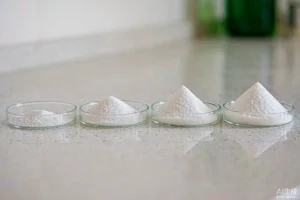
SLS is sold at different active levels — commonly 92%, 93%, 94% and 95%, plus 30% liquid. A lower-active product at a lower price per ton can cost more per kilogram of actual surfactant. Always convert quotes to cost per kilogram of active matter before comparing.
3. Physical form and grade
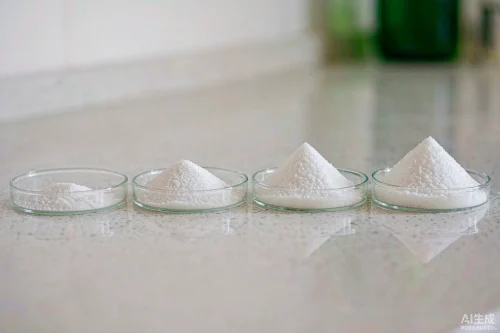
Needles often carry a small premium over powder. Cosmetic and toothpaste grades with tighter limits on color, odor, unsulfated alcohol and heavy metals cost more than standard detergent grades, and high-purity laboratory grades (SDS 97–99%) sit in a different price class entirely.
4. Packaging and logistics
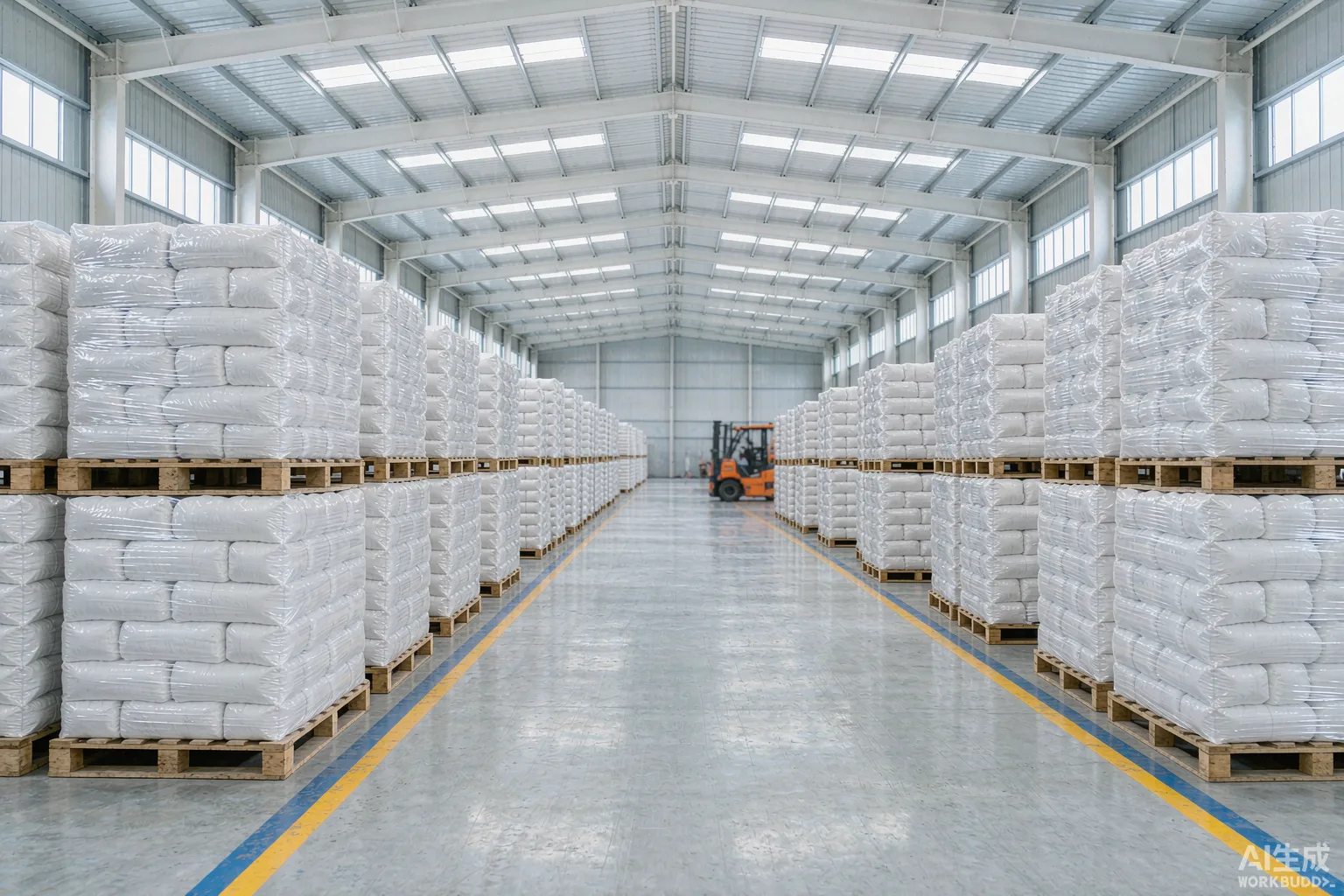
SLS powder and needles typically ship in 20 kg or 25 kg lined bags. Freight, insurance and port handling can rival feedstock swings on long routes, so compare offers on the same Incoterm — FOB vs CIF is not a fair comparison.
5. Volume and contract structure
A one-container trial order prices off the spot market; a scheduled annual contract prices off the quarter and is usually more stable. Minimum order quantities for bulk SLS are commonly around one ton, with container volumes (roughly 20 tons) unlocking the best unit economics.
Market outlook: what buyers should expect
Independent market studies put the global SLS market at roughly USD 800–840 million in 2026, growing at around 6–7% per year through the early 2030s, driven by detergents, personal care and pharmaceutical demand. Capacity additions in Asia keep the region structurally cost-competitive, while feedstock volatility remains the main short-term risk to budgets. In practice: expect prices to trend with palm and coconut markets, and lock in volumes with a stated validity window when your production schedule is fixed.
How to get a firm number from us
Four details are enough for a quotation with a written validity period:
- Grade and form — e.g. SLS 92% powder, SLS 94% needles, or SLS 30% liquid
- Volume per shipment
- Destination port and Incoterm (FOB, CFR or CIF)
- Target shipment month
Send your inquiry and our sales team will respond with a firm offer, COA and packaging details.
References
- Expert Market Research and IMARC surfactant price assessments, 2026 editions
- Persistence Market Research: Sodium Lauryl Sulfate Market Size and Trends Analysis, 2026–2033
- Mordor Intelligence: Sodium Lauryl Sulfate Market Analysis, 2026–2031